Kapok
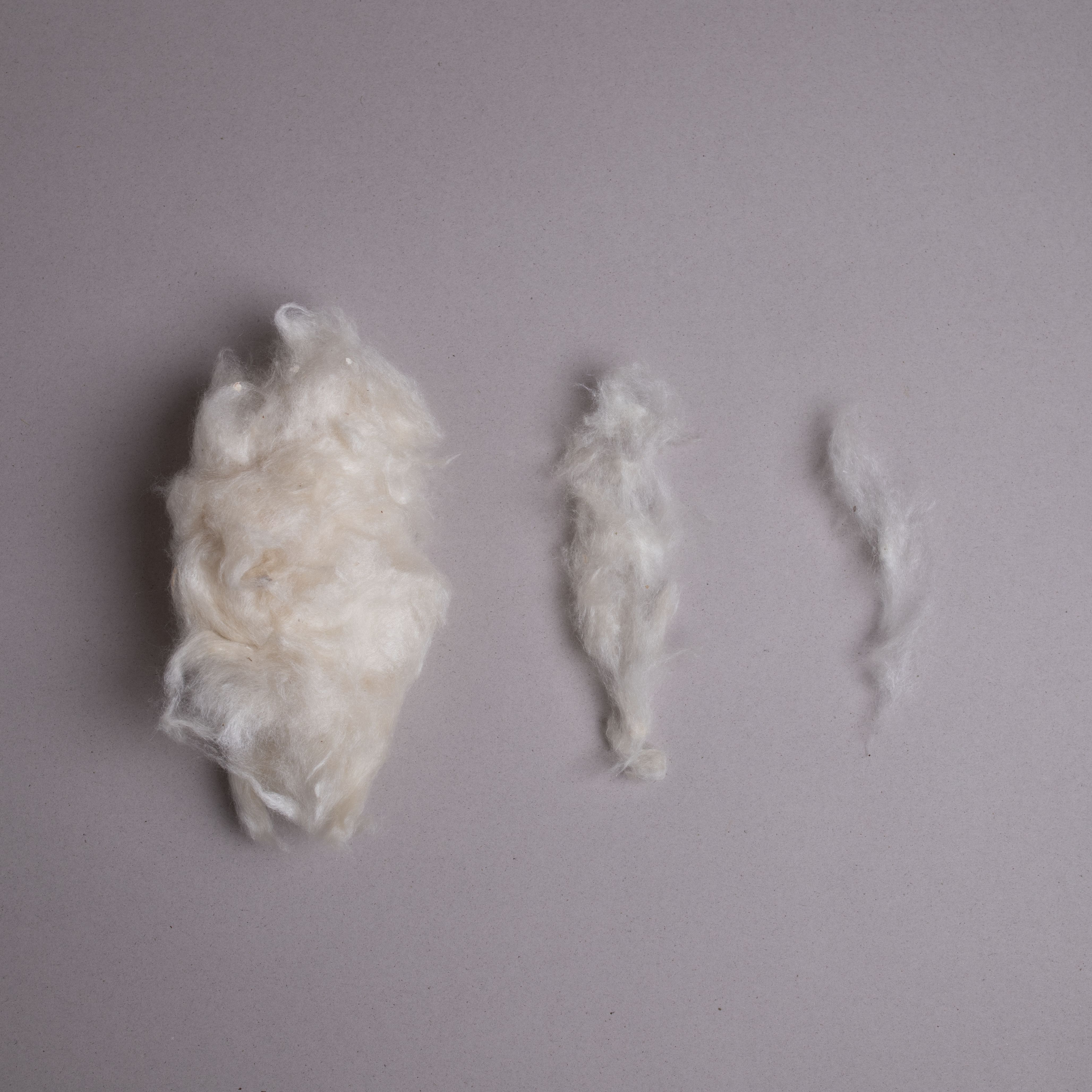
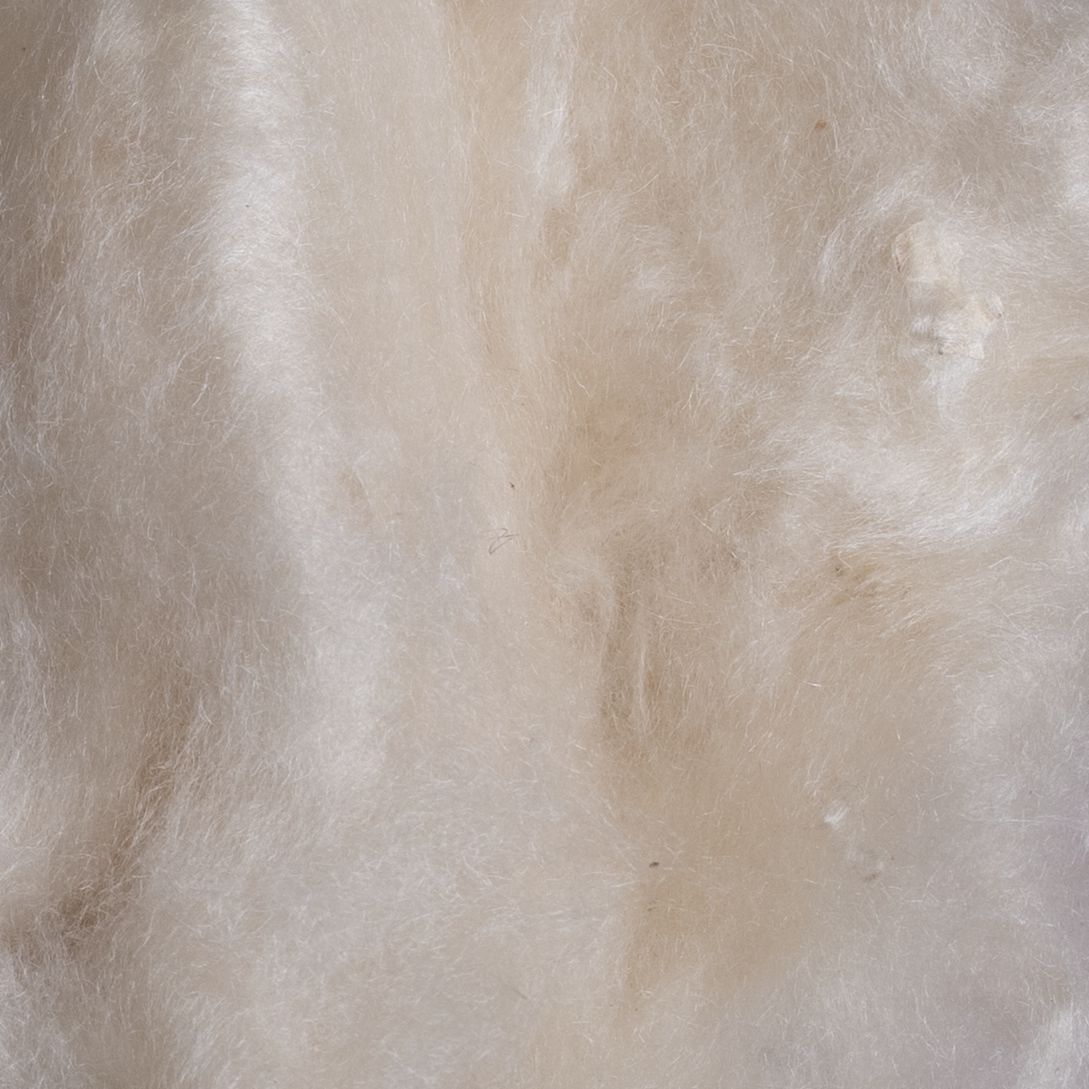
Kapok is a natural plant fibre obtained from the seed pods of the Ceiba pentandra tree, also known as the kapok tree, native to tropical regions of the Americas, Africa, and Asia. The fibre is often referred to as “Java cotton” or “silk cotton” due to its softness and sheen.
History
Kapok has been used for thousands of years in traditional cultures across Central and South America, Africa, and Southeast Asia. For indigenous peoples, the kapok tree was considered sacred, and its fibres were used for stuffing, clothing, and flotation devices. In the 19th and 20th centuries, kapok became an important export commodity, especially from Java and Indonesia, where it is still cultivated today.
Use in the textile industry
Filling material: Kapok is traditionally used as filling for pillows, mattresses, quilts, stuffed toys, and upholstery.
Flotation devices: Due to its exceptional lightness and water resistance, it was historically used in life jackets, lifebuoys, and maritime safety equipment. It can support up to 30 times its own weight in water and retains buoyancy for a long time.
Insulation material: It provides excellent thermal and acoustic insulation, making it suitable for construction, automotive applications, and eco-friendly insulation panels.
Textile fabrics: Kapok is too brittle to be spun alone, but modern technologies allow it to be blended with cotton or other fibres to produce lightweight, breathable, and sustainable fabrics for clothing, home textiles, and accessories.
Technical and hygienic applications: It is used in nonwoven textiles such as filters, absorbent pads, hygiene products, and oil spill cleanup materials.
Interesting facts
Kapok is one of the lightest natural fibres in the world—about eight times lighter than cotton.
It can absorb up to 40 times its weight in oil, making it useful for environmental cleanup.
It is fully biodegradable and requires no pesticides or intensive irrigation.
Kapok is naturally hypoallergenic and resistant to mould, making it suitable for sensitive individuals.
Although its importance declined with the rise of synthetic fibres and foam materials, kapok is experiencing a revival due to the growing demand for sustainable and eco-friendly materials.
Show more