Materials
Browse our collection of textile materials and discover their properties and uses.
-
.jpg)
Linen fabric
Linen fabric is a natural textile material made from the fibers of flax (Linum usitatissimum). It is known for its strength, breathability,...
Connected with 9 organizations
-
.jpg)
Hemp fiber
It is made from long bast fibres of the stem of industrial hemp. It is one of the oldest and most sustainable textile fibres. It is breathable,...
-
decortication/breaking
-
combing
-
harvest
Connected with 17 organizations
-
-
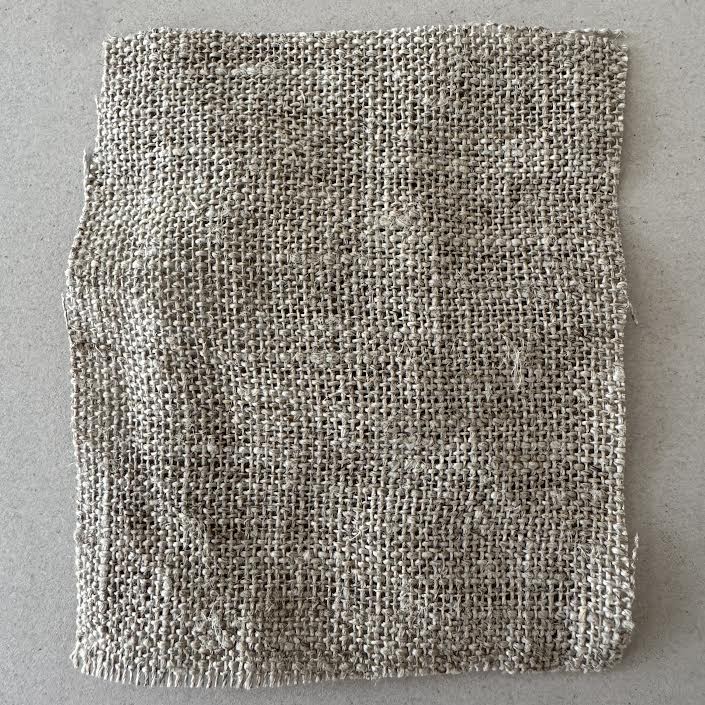
Hemp fabric
Hemp fabric is a natural textile material made from fibers of the stalks of the hemp plant (Cannabis sativa), known for its strength, durability,...
-
spinning
-
weaving
Connected with 19 organizations
-
-
Blended fabrics
Blended fabrics are textile materials produced by weaving yarns made from at least two different types of fibres—most commonly a combination of...
Connected with no organizations
-
Blended fibers
Blended fibres are textile materials created by combining several types of fibres—most commonly natural fibres (such as cotton or wool) with...
Connected with no organizations
-
Blended yarns
Blended yarns are textile materials produced by spinning two or more types of fibres together—most commonly a combination of natural fibres (such as...
Connected with no organizations
-
Linden bast
Linden fibre, obtained from the bast (inner bark) of the linden tree (genus Tilia), is one of the oldest natural fibres used by humans. Its use for...
-
soaking
-
twisting
-
rolling
-
weaving
-
plying
Connected with no organizations
-
-
Horse hair
Horsehair is strong, flexible, relatively coarse, and is used mainly for upholstery, mattresses, brush making, bow hair for string instruments, and...
Connected with no organizations
-
Cattle tail hair
Cattle hair – It was mixed into wool for coarser cloths used as blankets for horses and as material for sewing woolen footwear. Fabrics made from...
Connected with no organizations
-
Pig bristles
Pig bristles – Pig hair is not a common material in the textile industry and was used mainly as an emergency or supplementary material. In Slovakia,...
Connected with no organizations
-
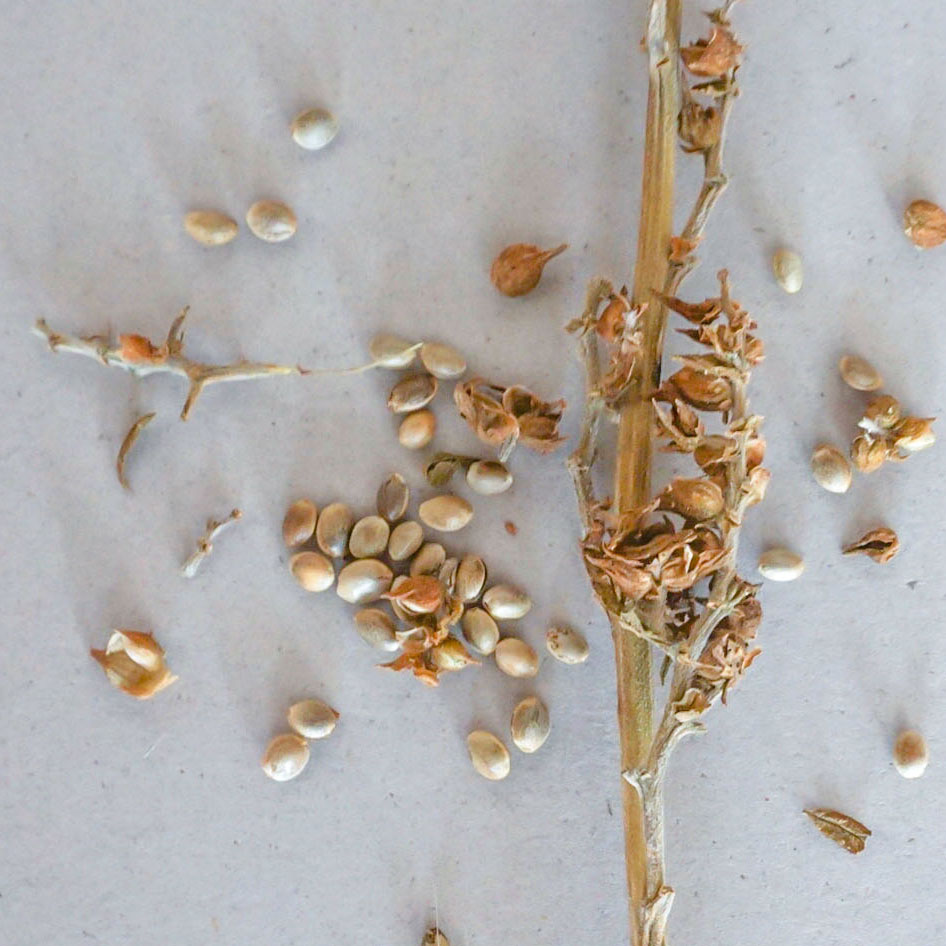
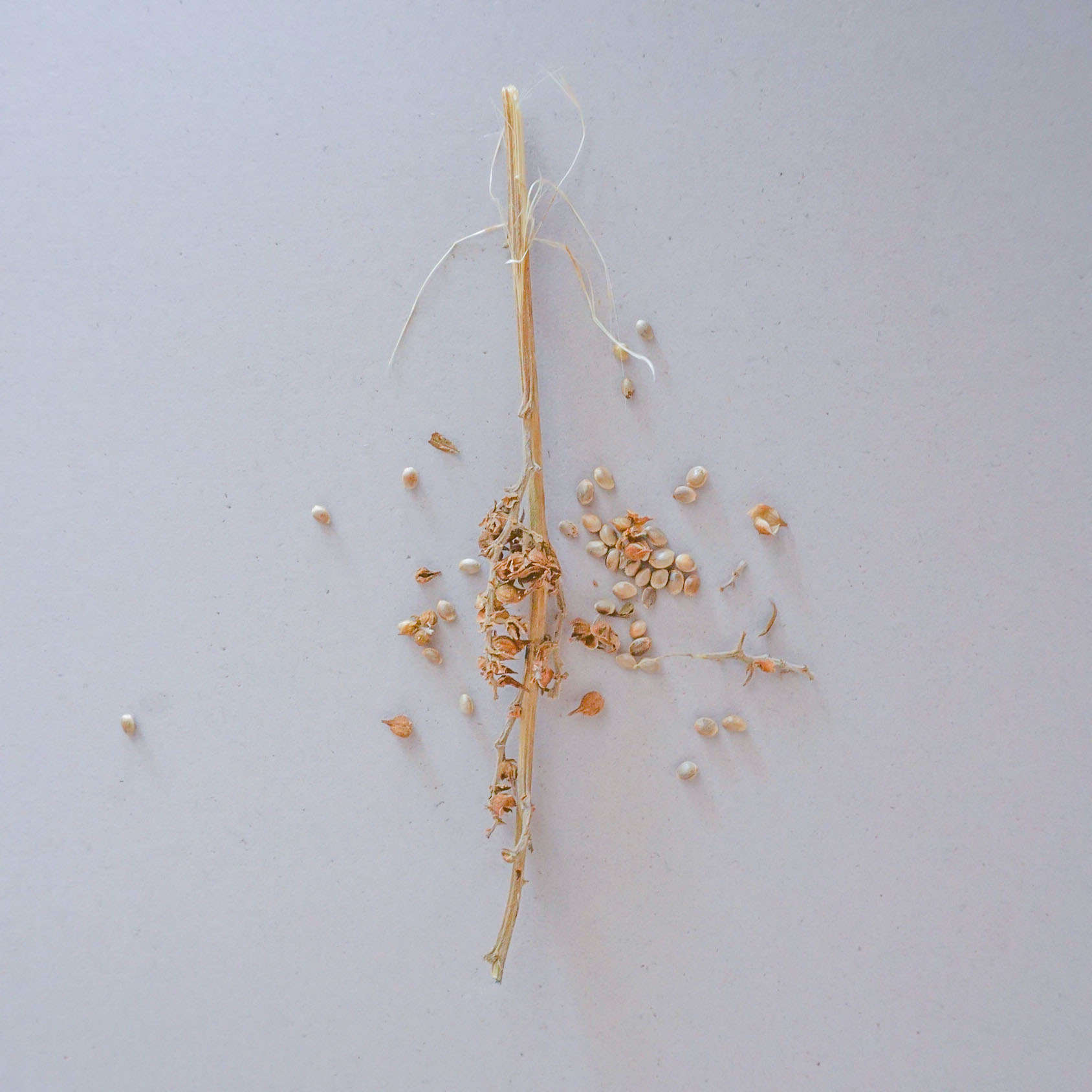
Hemp seeds
Cannabis sativa, which is cultivated for industrial as well as textile purposes. Hemp seeds are a complex source of proteins, healthy fats, fiber,...
-
harvest
Connected with 3 organizations
-
-
.jpg)
Hemp shives
It refers to hemp fiber that still contains remnants of the woody part of the stem—known as shives. During hemp processing, the stems are first...
-
dewing
-
soaking
-
decortication/breaking
-
combing
-
spinning
-
twisting
-
wet felting
-
felting
-
weaving
-
knitting
-
bleaching
-
dyeing
Connected with no organizations
-
-
.jpg)
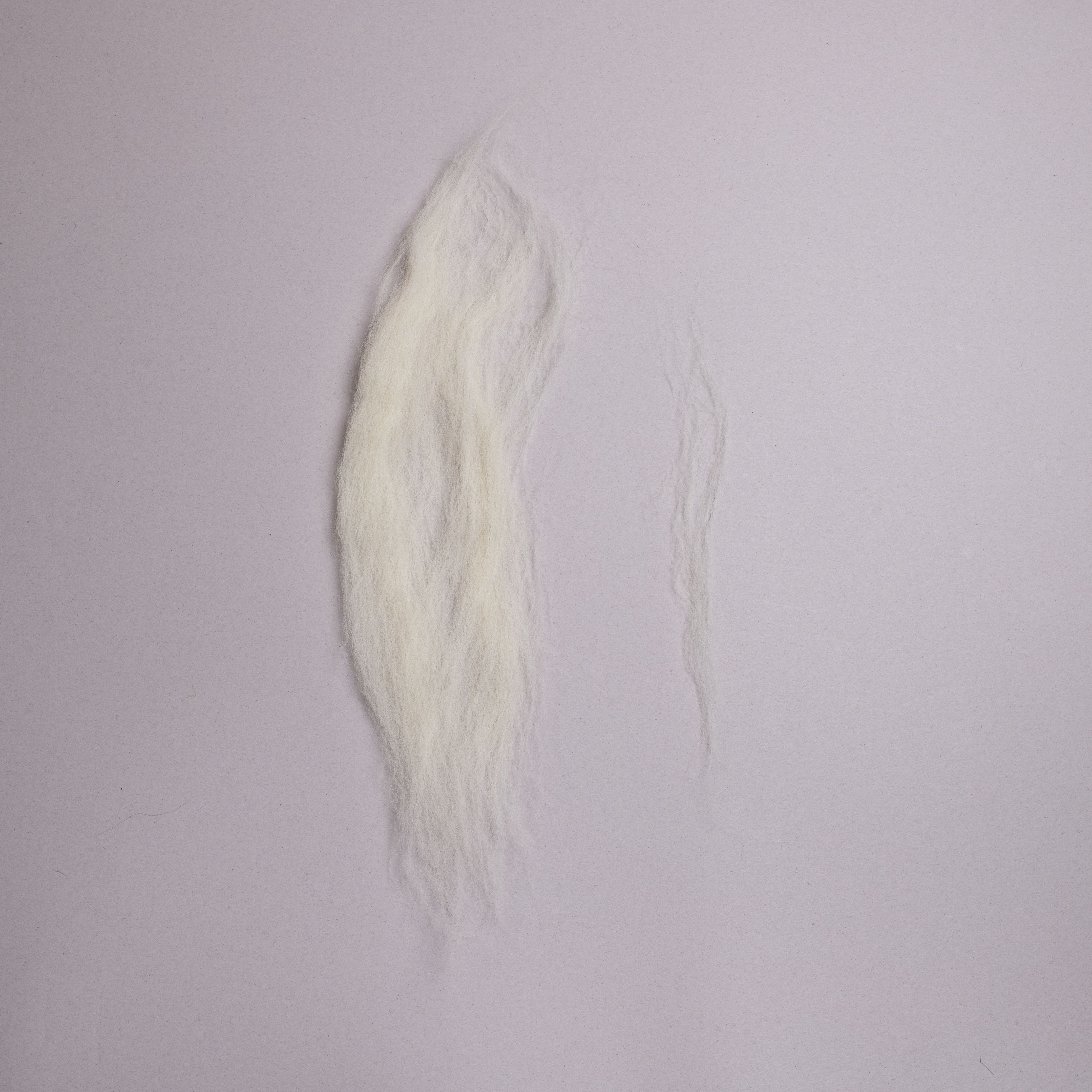
Hemp roving
Hemp roving is a mass of disordered hemp fibres containing pieces of shives, produced during the breaking process in a decortication line.
-
decortication/breaking
-
combing
Connected with no organizations
-
-
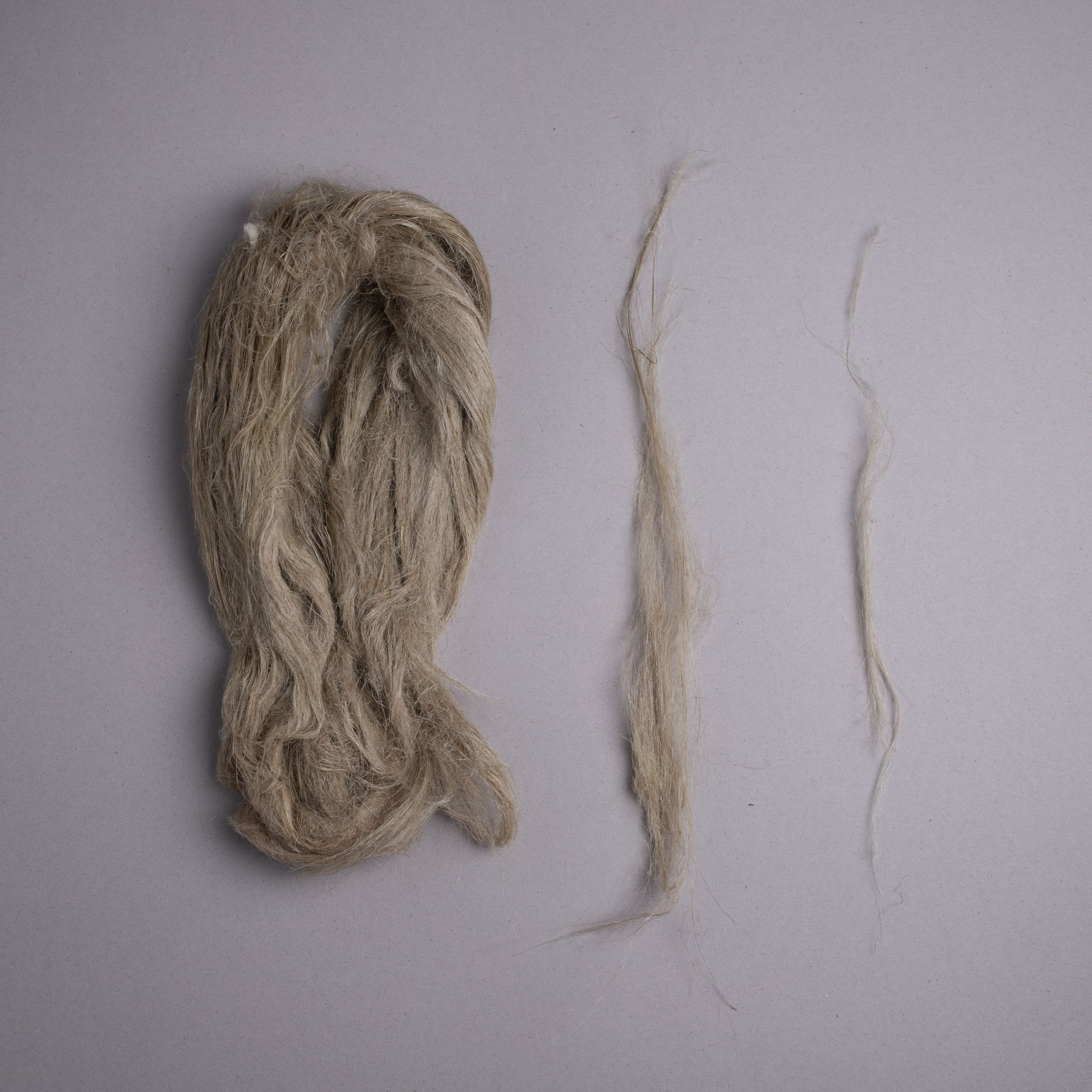
Hemp sliver
Long, combed and aligned fibre obtained from the stem of industrial hemp. It is a semi-finished product that serves as a basis for the production of...
-
combing
Connected with no organizations
-
-
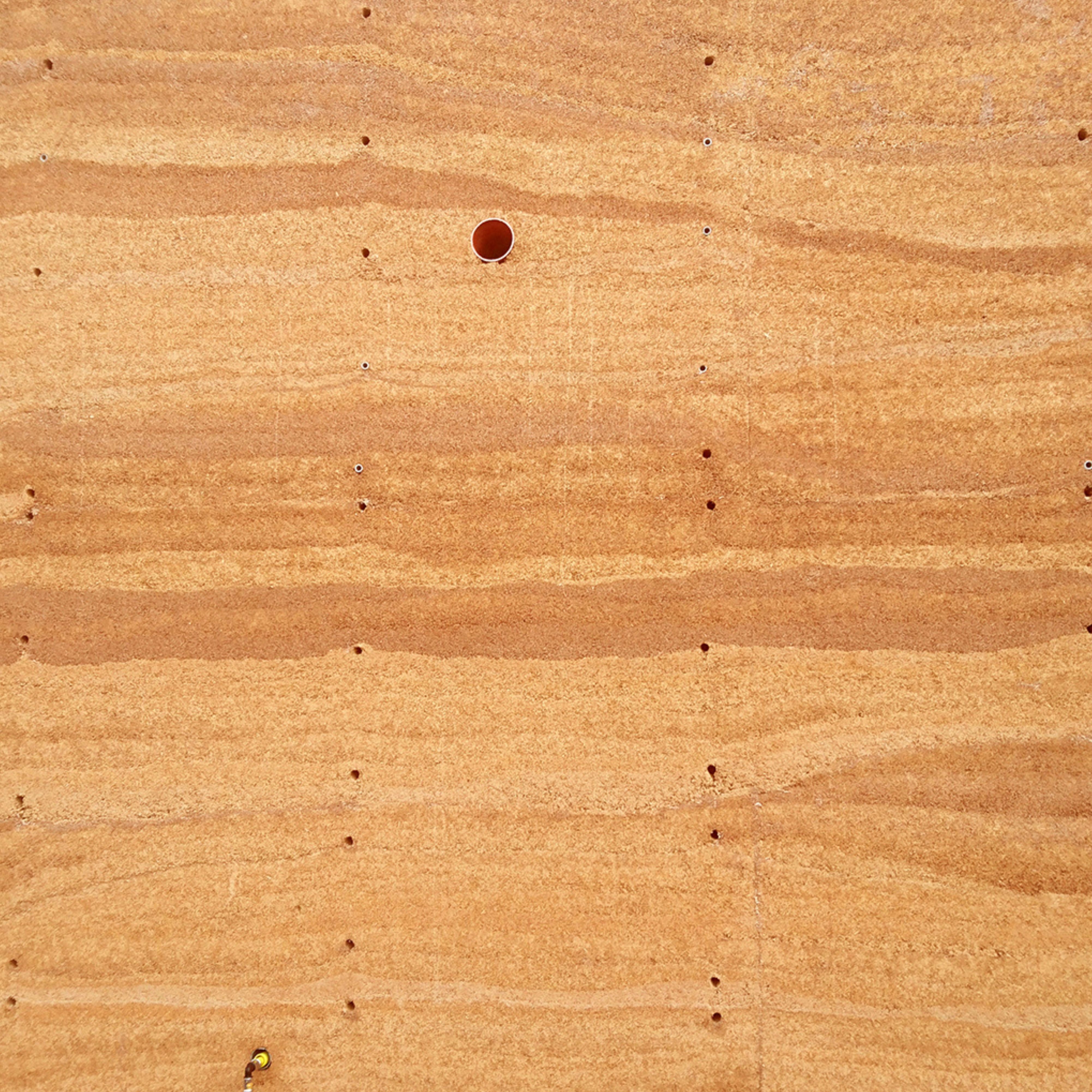
Hemp concrete
An ecological building and insulation material made from a mixture of hemp shives (the woody core of the stem), lime binder, and water. It is known...
-
pressing
-
blending
Connected with 2 organizations
-
-
.jpg)
Pig intestine ropes
Pig intestines were commonly used in the past for producing ropes, cords, and strong threads, especially in crafts that required high strength,...
Connected with no organizations
-
Leather strips
Strips of animal leather are among the oldest materials used in textile crafts and industry. Since prehistoric times, they have been used for...
Connected with no organizations
-
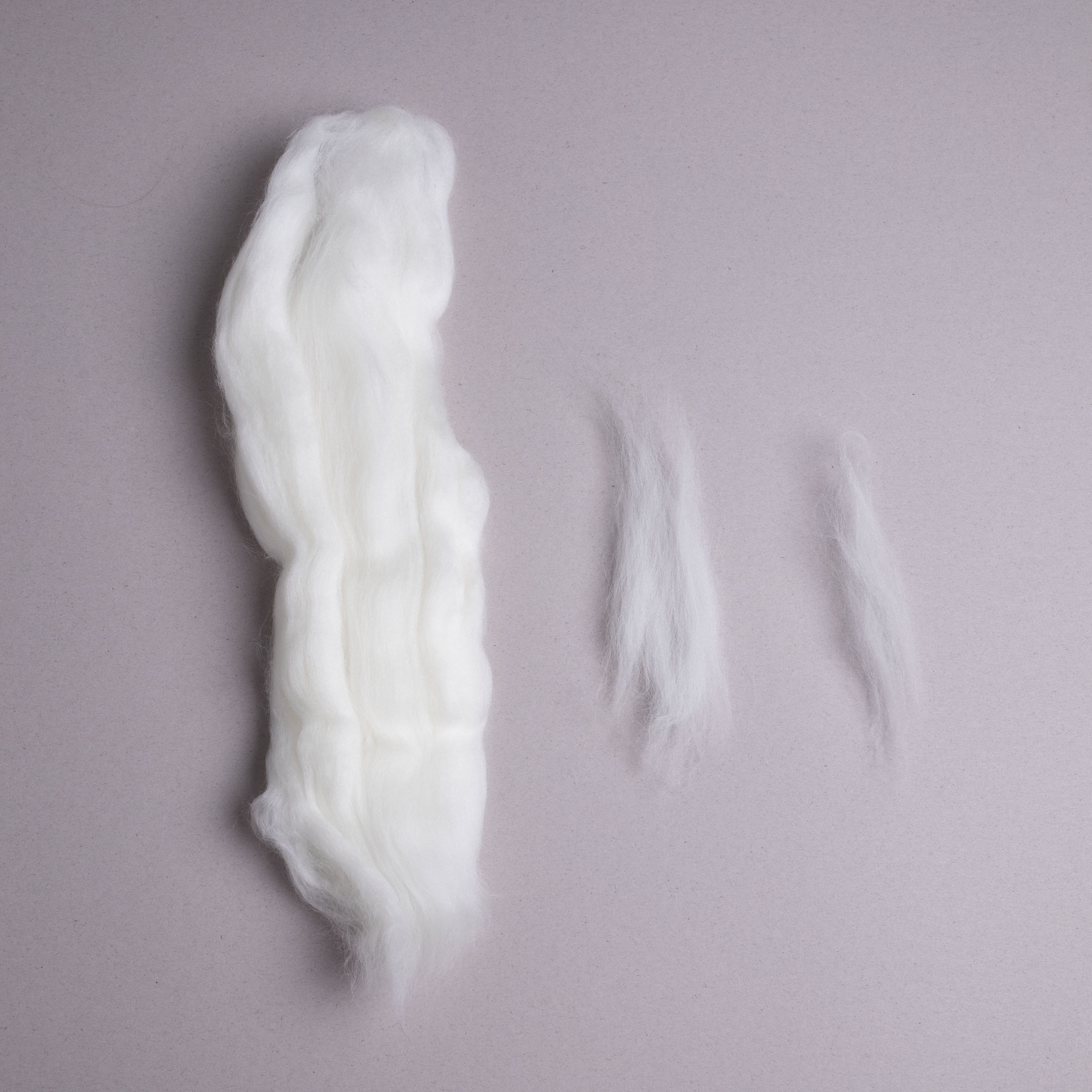
Merino microns 14
Merino wool comes from sheep of the Merino breed, which originates in Spain. The first Merino sheep likely arrived in Spain during the Middle Ages,...
Connected with 2 organizations
-
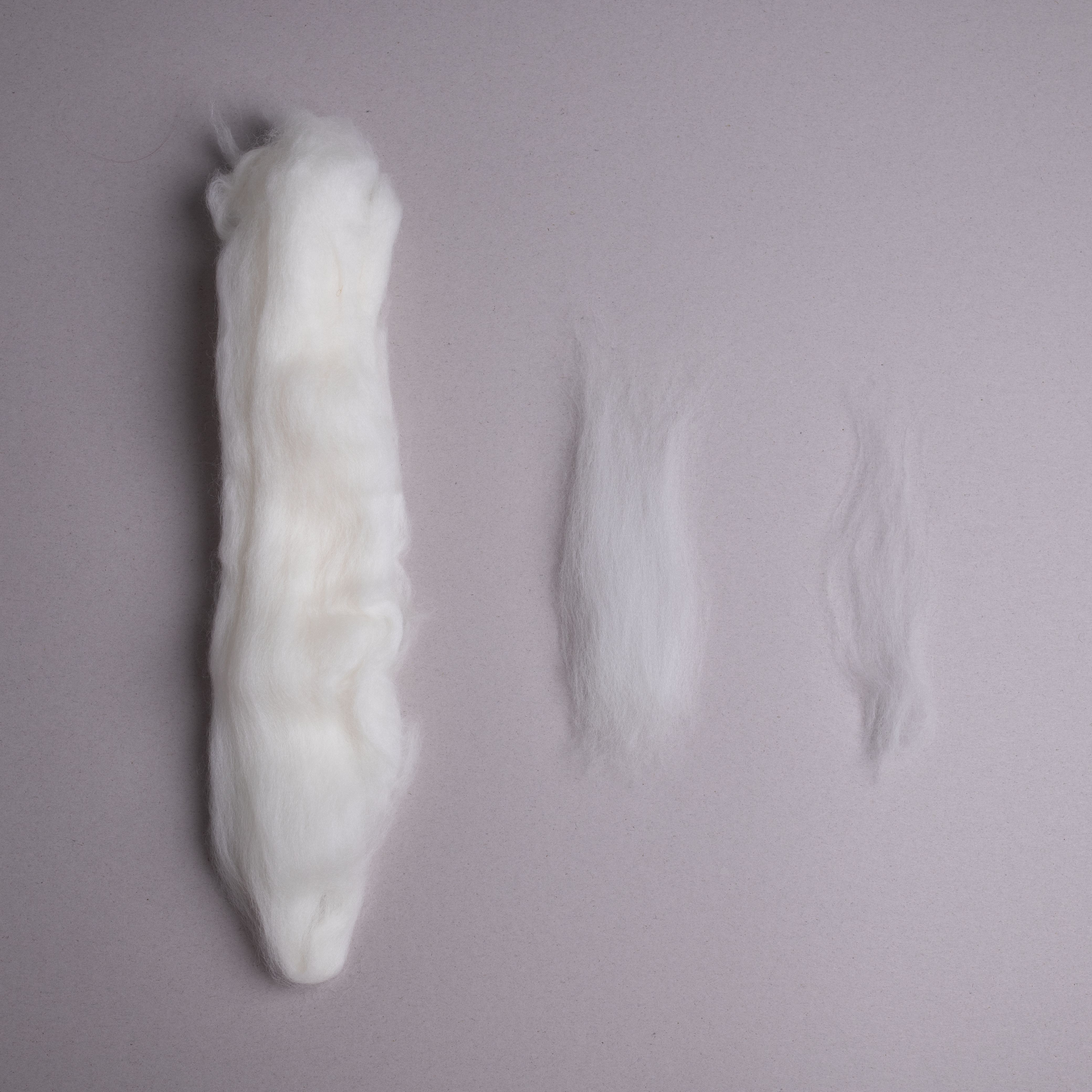
Merino microns 16
Merino wool comes from sheep of the Merino breed, which originates from Spain. In the 18th and 19th centuries, Merino sheep began to spread to other...
Connected with 2 organizations
-
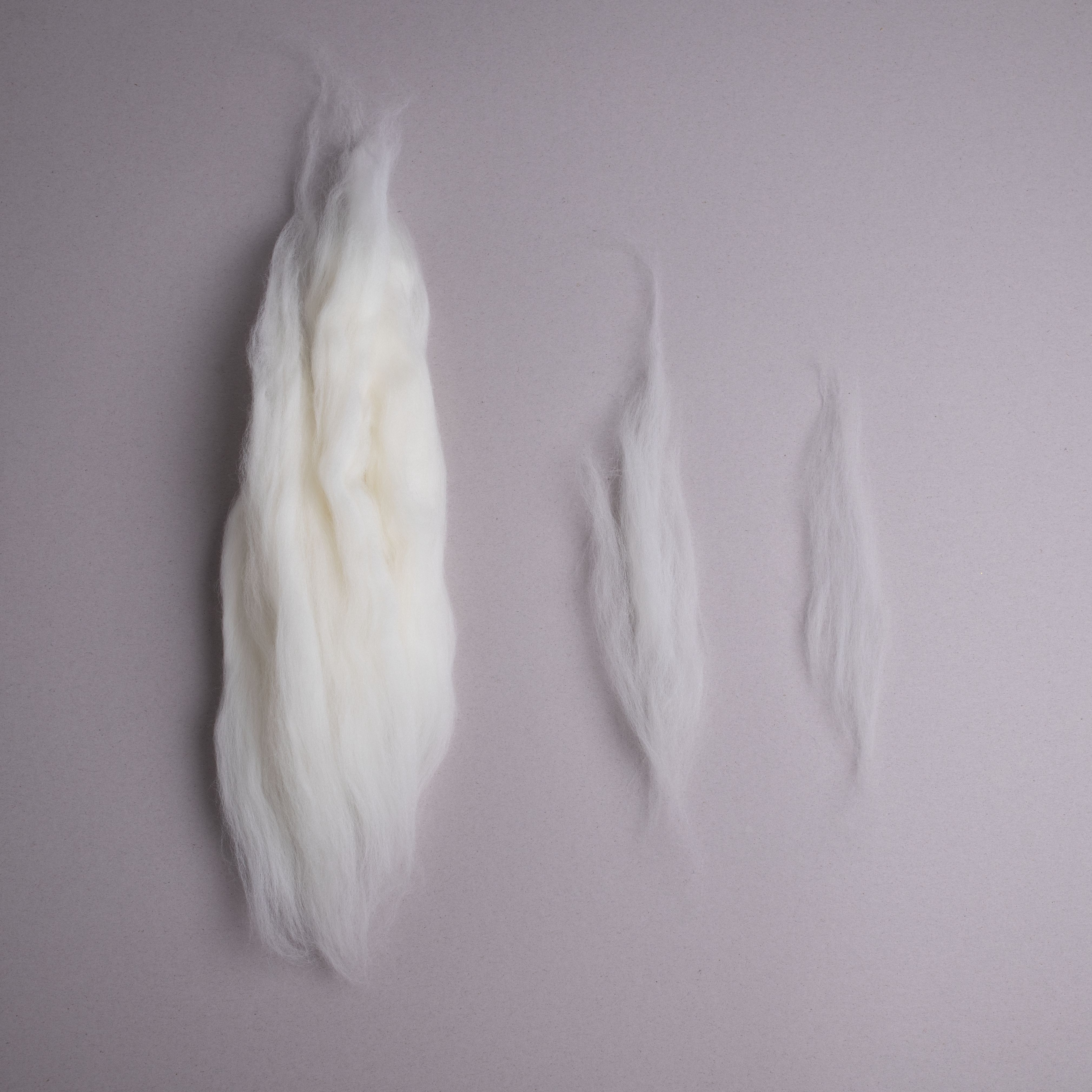
Merino microns 18
Merino wool comes from sheep of the Merino breed, which originates from Spain. In the 18th and 19th centuries, Merino sheep began to spread to other...
Connected with 2 organizations
-
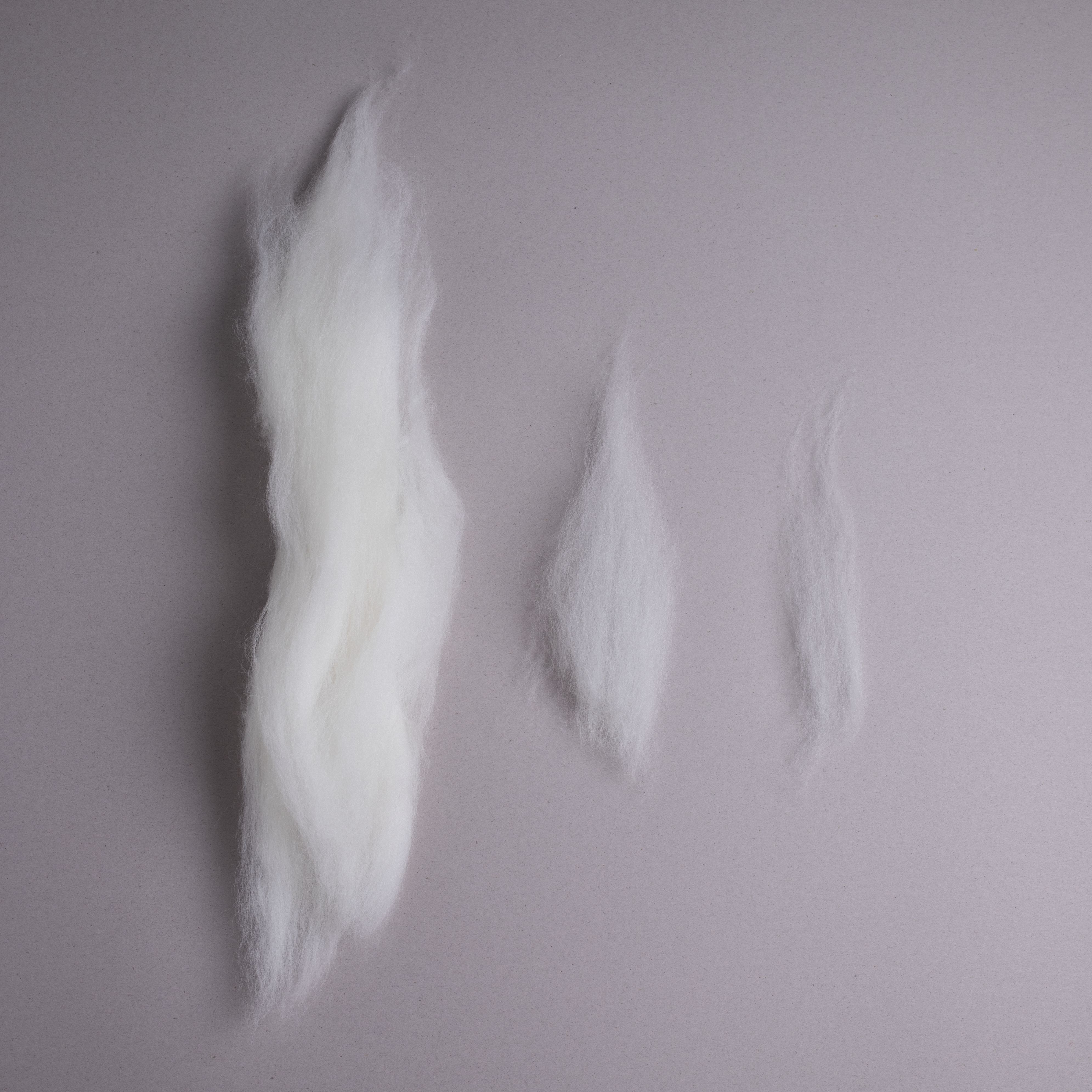
Merino microns 21
Merino wool comes from sheep of the Merino breed, which originates from Spain. In the 18th and 19th centuries, Merino sheep began to spread to other...
Connected with 2 organizations
-
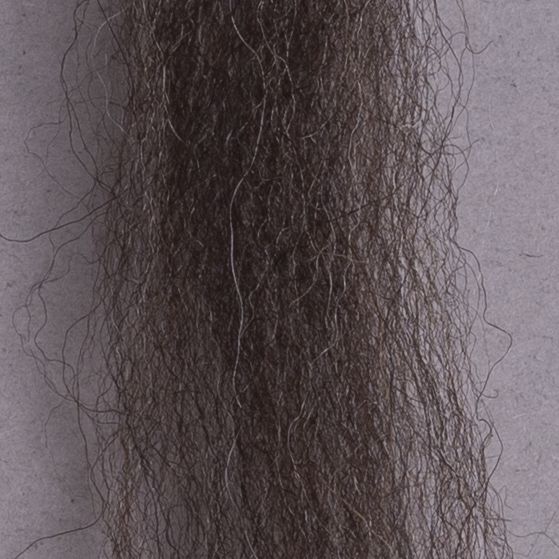
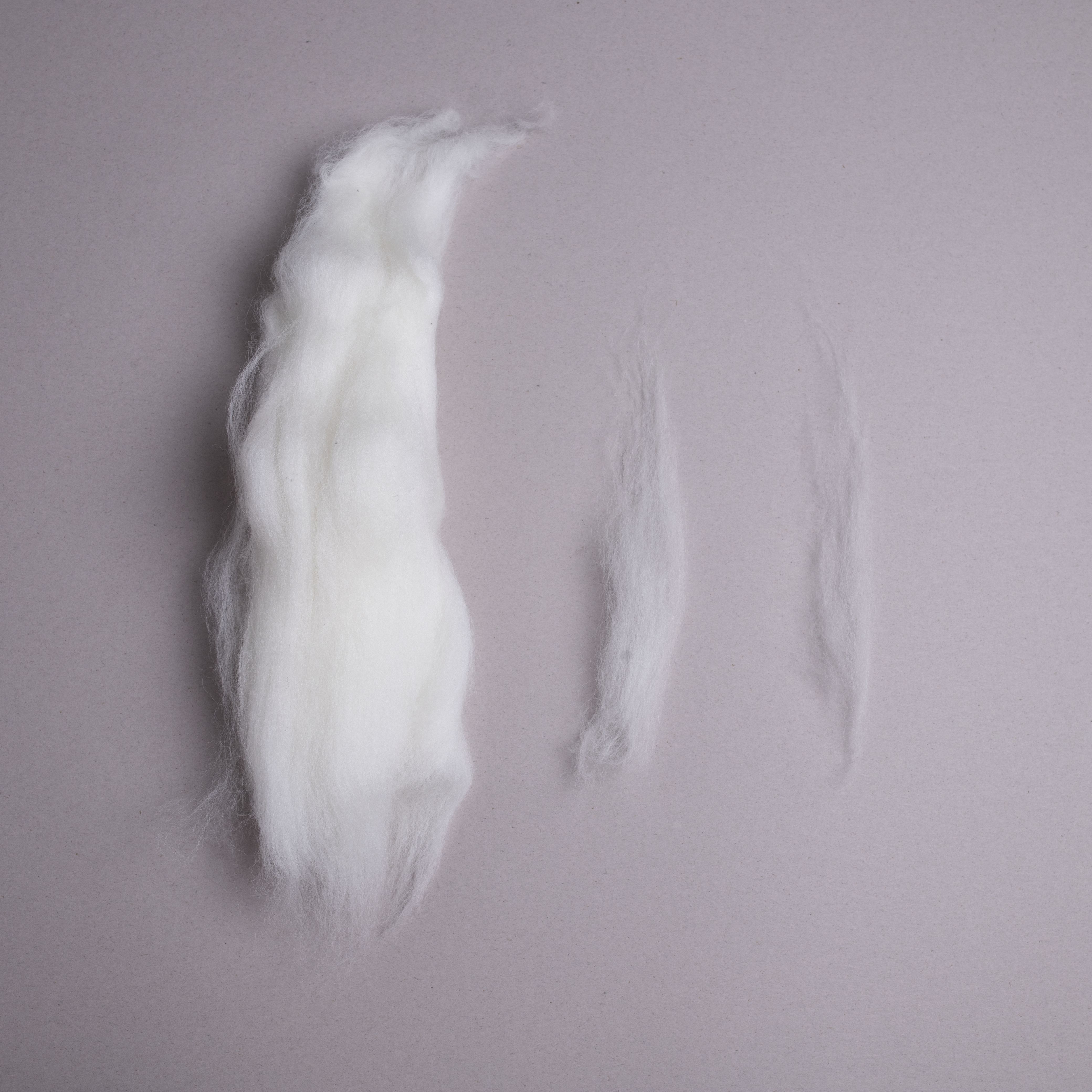
Shetland brown
It originates from a sheep breed raised on the Shetland Islands in northern Scotland, where the sheep have adapted to harsh, windy, and cold...
Connected with no organizations
-
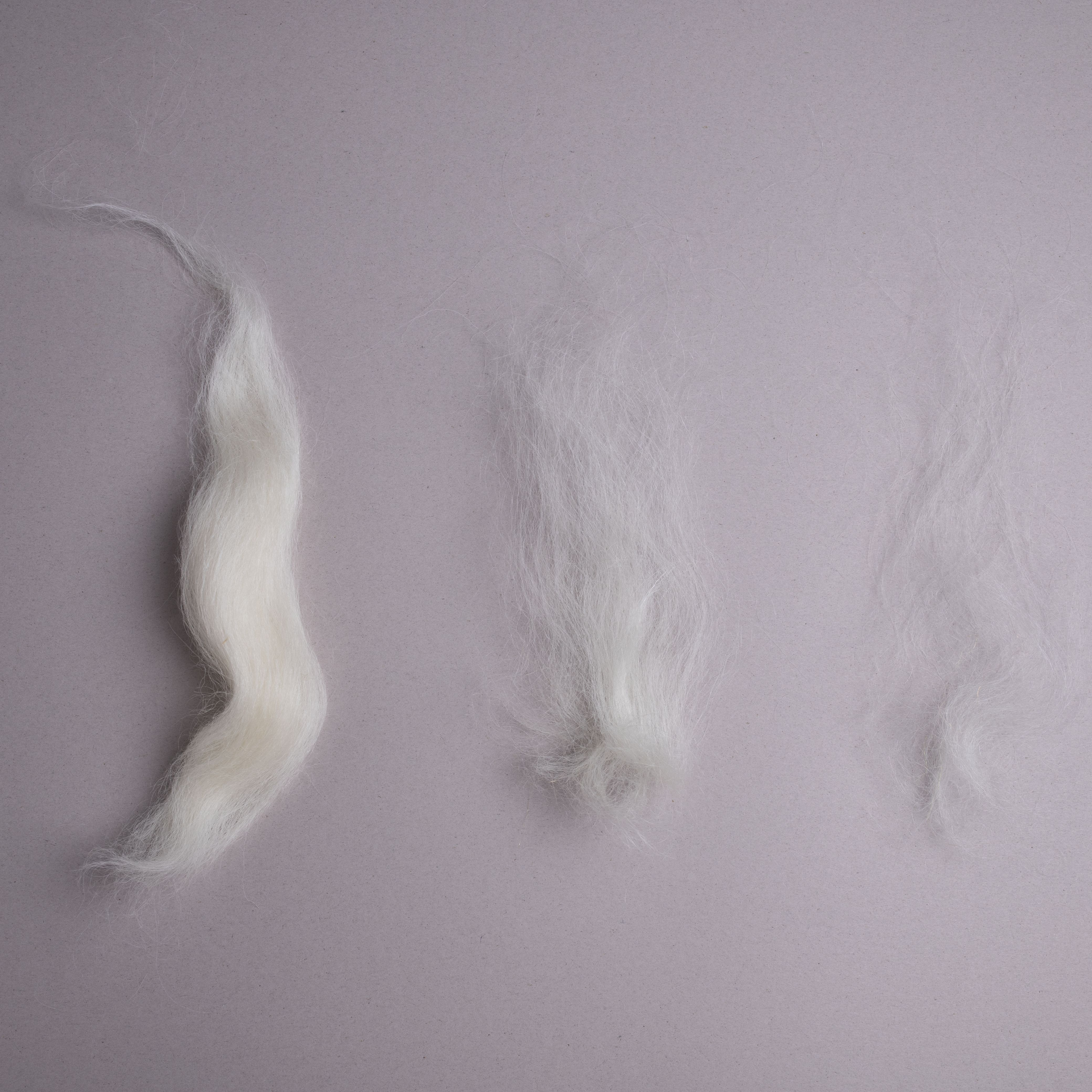
Angora goat
Angora is a highly specialized fibre breed. The exact time of its origin is unknown, but it is believed to date back to around 4000 BC. The breed...
Connected with no organizations
-
Angora rabbit
The fluffy Angora rabbit was named after the Turkish city of Ankara, which was formerly called Angora, where domestic animals were first actively...
Connected with no organizations
-
Nettle seed
The stem of the stinging nettle (Urtica dioica) is the source of a strong bast fibre used in the textile industry since prehistoric times. It...
Connected with no organizations
-
.jpg)
Nettle fiber
It is obtained from the outer layer of the stem of the stinging nettle (Urtica dioica). It is a very strong, long, and fine bast fibre that has been...
Connected with 1 organization
-
.jpg)
Nettle sliver
It is a combed and aligned fibre obtained from the stem of the stinging nettle (Urtica dioica). It is a traditional natural material that has been...
Connected with no organizations
-
Nettle fabric
Nettle fabric is a textile material made from bast fibers of stinging nettle (Urtica dioica), which has historically been an important alternative...
Connected with no organizations
-
.jpg)
Flax shives
It refers to flax fiber that still contains remnants of the woody part of the stem—known as shives. During flax processing, the stems are first...
Connected with no organizations
-
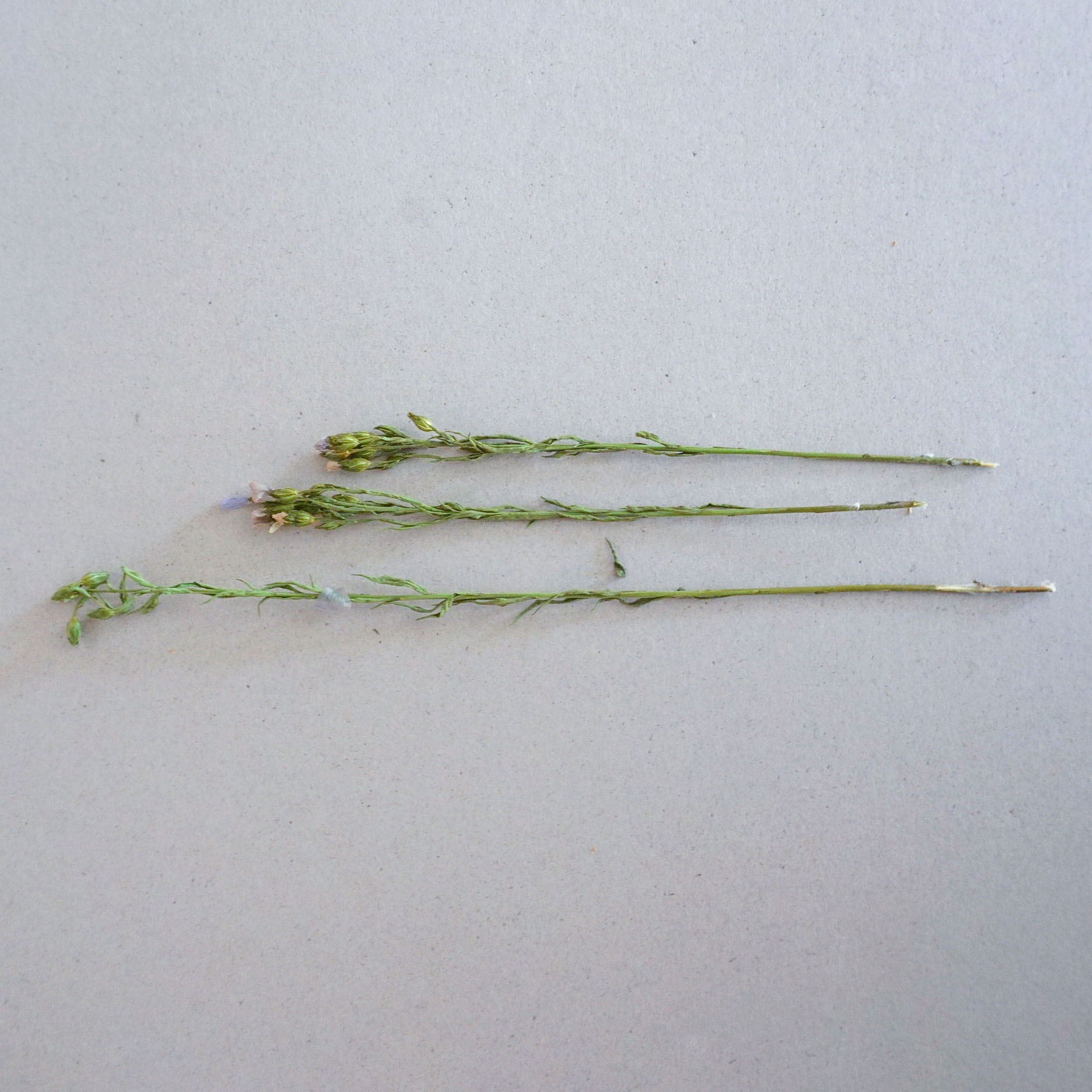
Flax flower
It is small and five-petaled, most commonly light blue to blue-violet in color, more rarely white or pink. The flowers are arranged in loose cymes...
Connected with no organizations
-
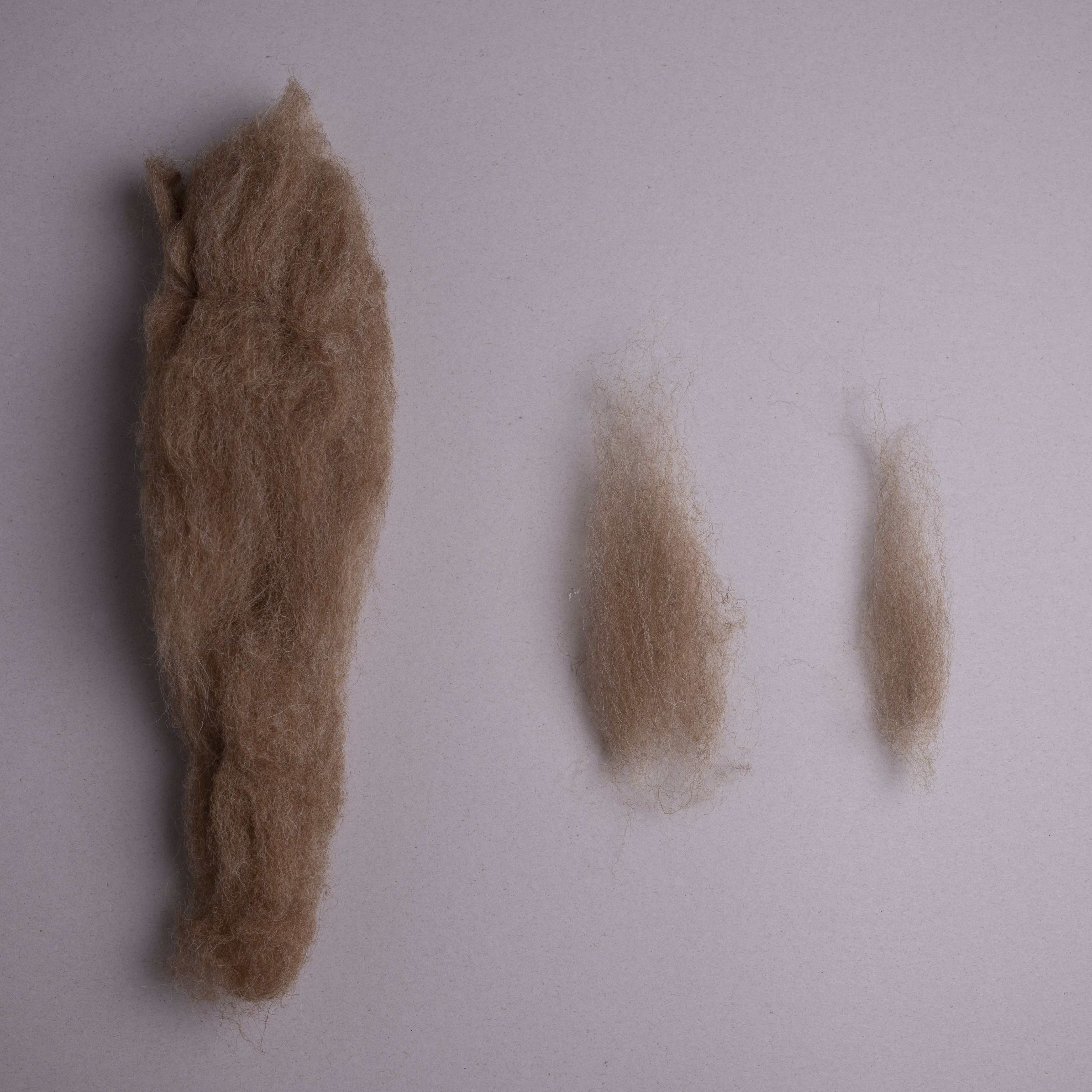
Manx loathan
An ancient, rare sheep breed originating from the Isle of Man in the Irish Sea. The breed is very old, likely existing already in the Iron Age and...
Connected with no organizations
-
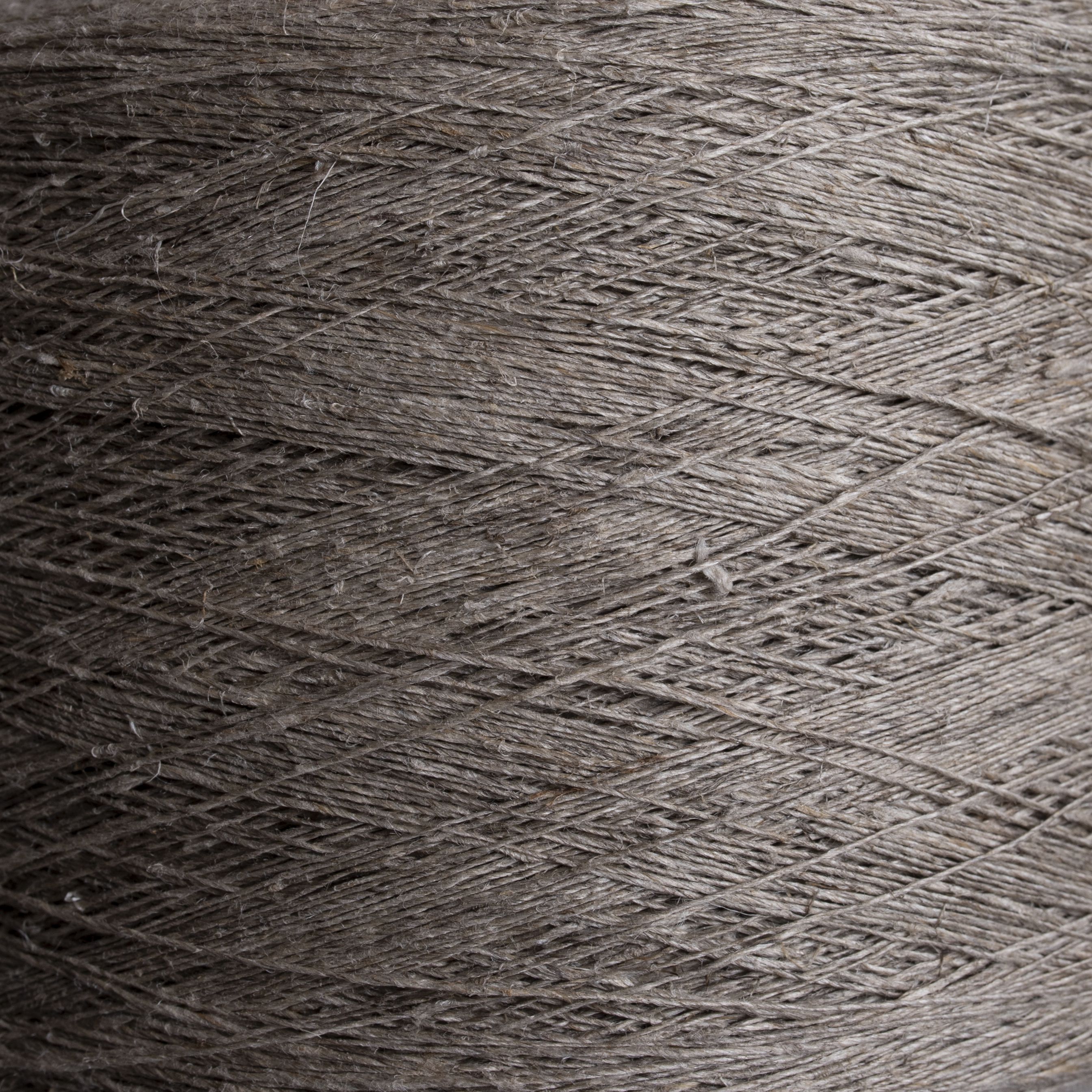
Linen yarn
It is made from the long fibers of the stem of flax (Linum usitatissimum). It is one of the oldest and most sustainable textile materials, known for...
Connected with 2 organizations
-
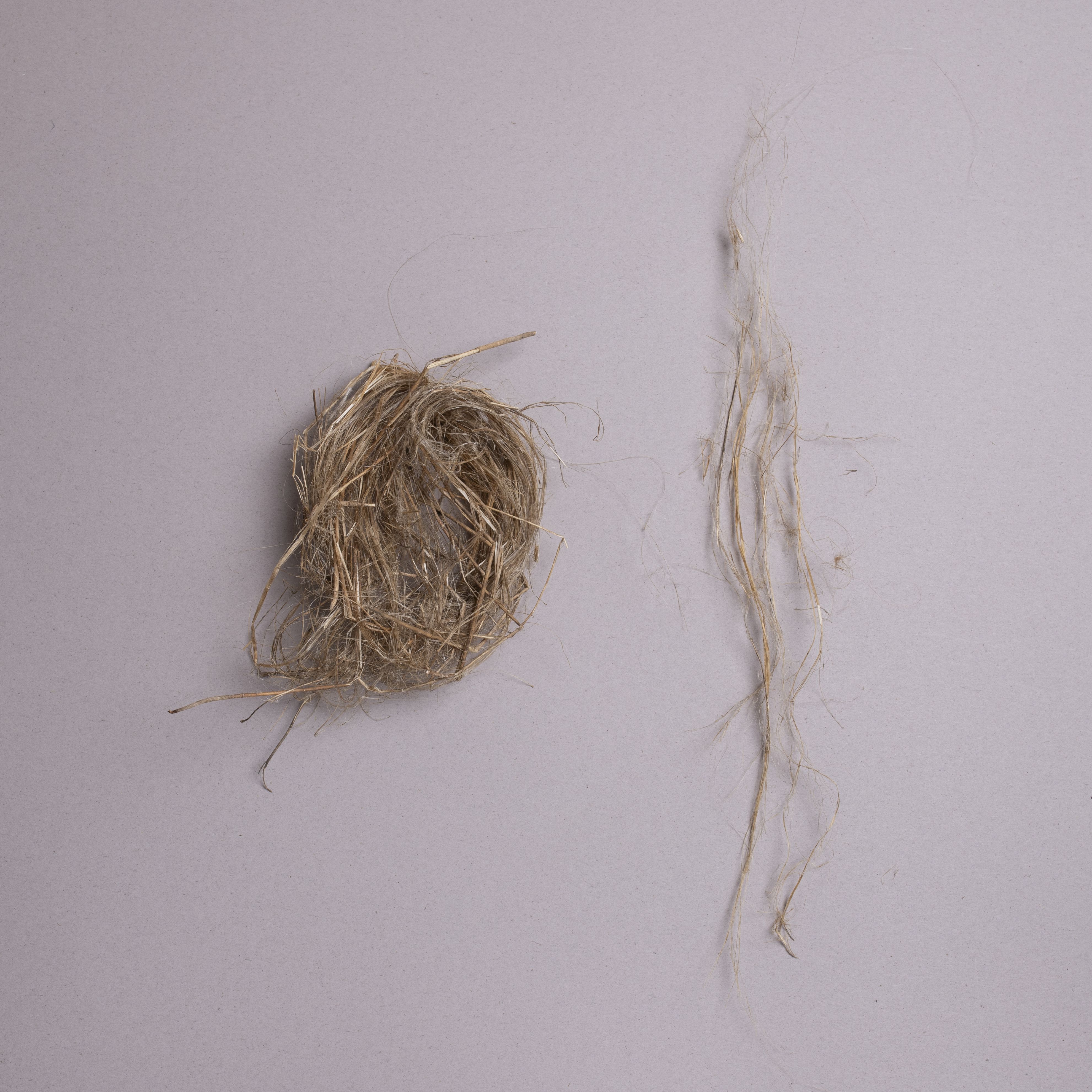
Linen fiber
The fiber is obtained from the stem of flax (Linum usitatissimum). It is one of the oldest and highest-quality natural fibers, known for its...
Connected with no organizations
-
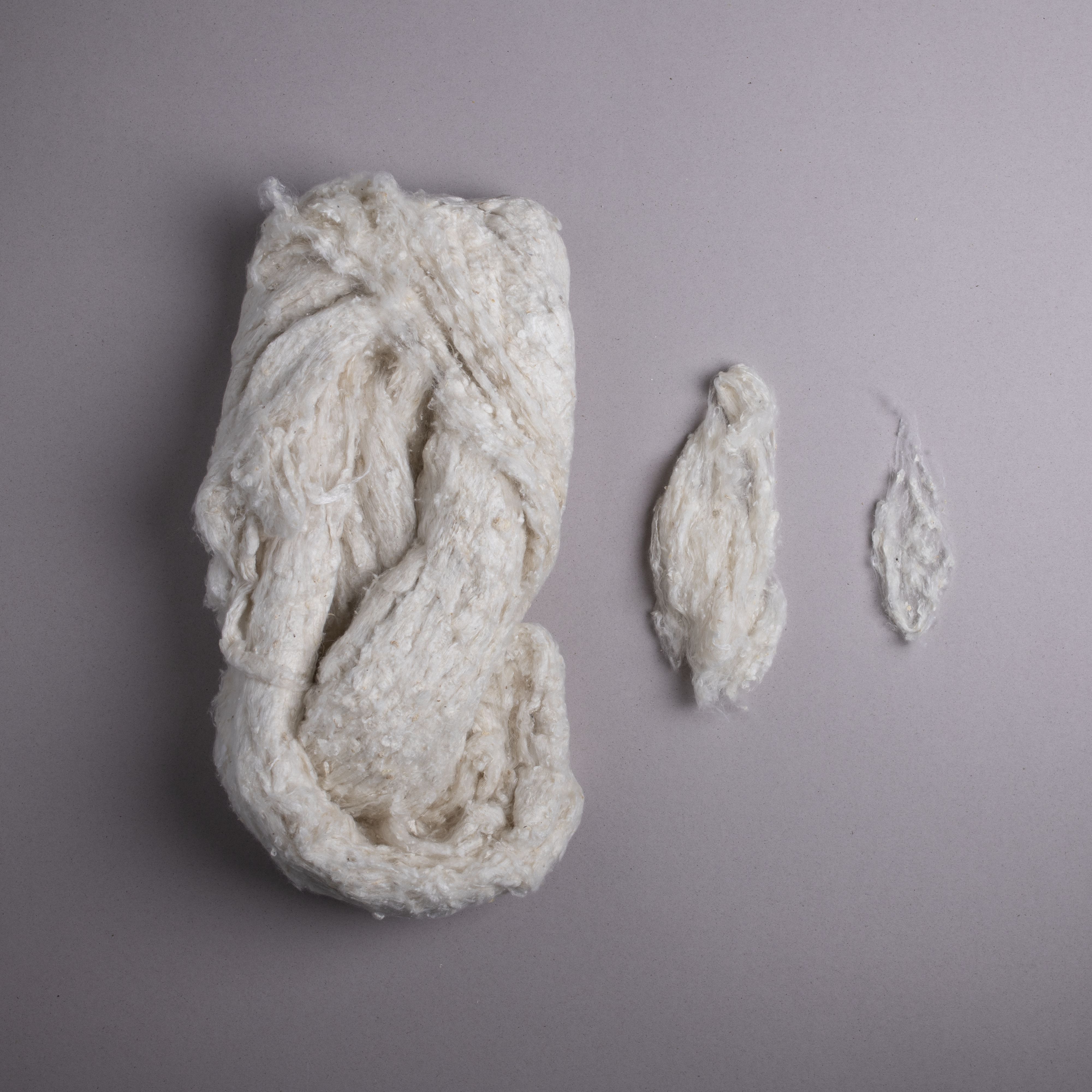
Silk flakes
They are short, irregular pieces of silk fiber that are created as a by-product during the spinning of silk from cocoons of the silkworm (Bombyx...
Connected with no organizations
-
.jpg)
Woolen cloth
A fabric made from sheep wool, sometimes with an admixture of other animal hair, finished by a process of fulling (felting). A loosely woven plain...
Connected with no organizations
.jpg)
.jpg)
.jpg)
.jpg)