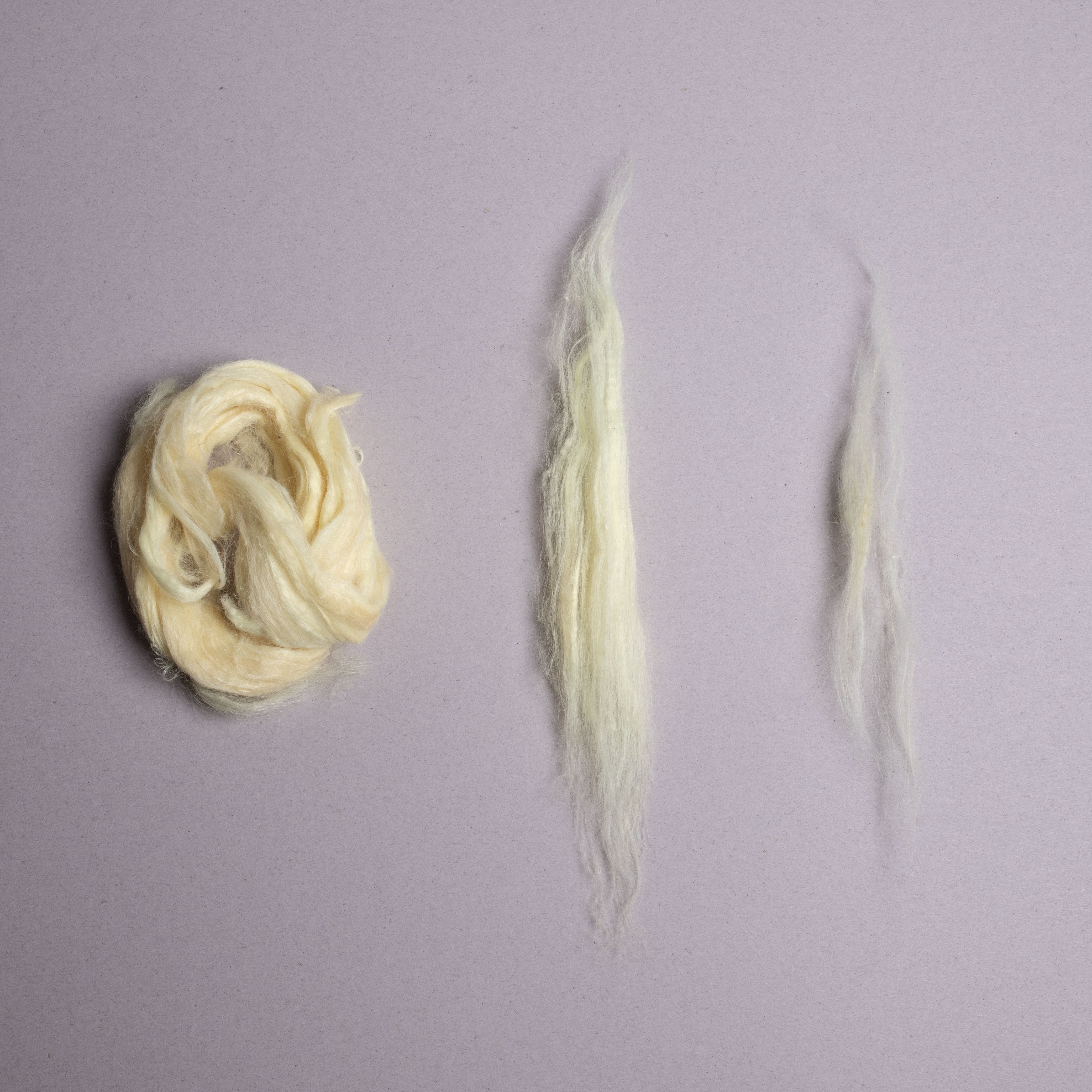
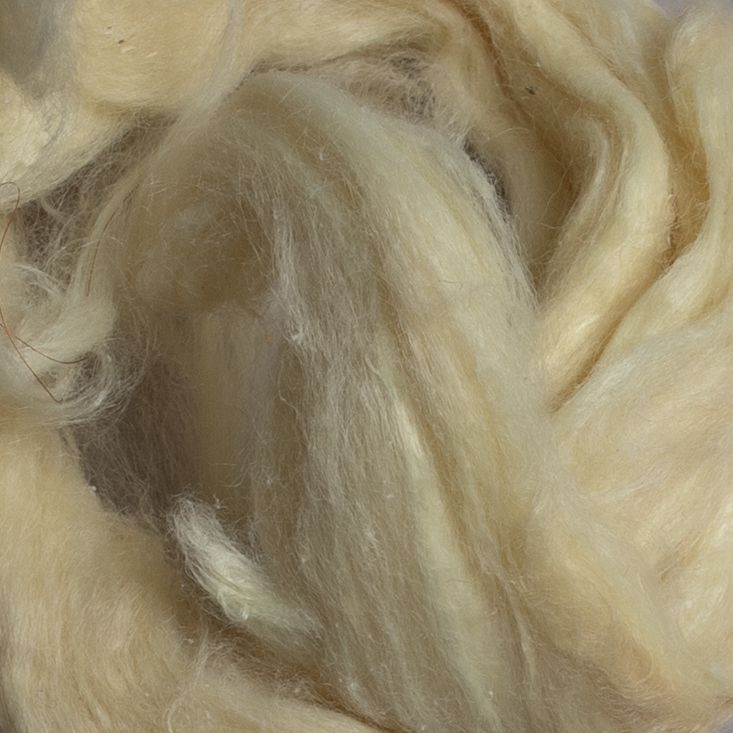
kevlar
Kevlar is one of the most well-known and successful synthetic materials in the textile industry, revolutionizing the production of protective textiles and high-performance composites. This para-aramid material is characterized by exceptional strength, thermal resistance, and low weight, making it indispensable in applications requiring maximum protection and performance.
History and discovery of Kevlar
Accidental discovery with revolutionary impact
Kevlar was discovered in 1965 by chemist Stephanie Kwolek while working for DuPont. The discovery happened accidentally during research on new lightweight and strong fibres intended for tire production in anticipation of a gasoline shortage.
Kwolek produced an unusual cloudy, low-viscosity polymer solution instead of the expected clear one. Despite initial skepticism from technician Charles Smullen, she insisted on testing it. The result was fibres with extraordinary strength that did not break like nylon fibres. The potential of the material was immediately recognized.
Commercial development
Kevlar was introduced to the market in 1971 and first used as a steel substitute in racing tires. In 1976, it was used in bullet-resistant vests, becoming its most famous application. In 1995, Stephanie Kwolek was inducted into the U.S. National Inventors Hall of Fame.
Mechanical properties
Kevlar is known for exceptional mechanical performance:
Tensile strength: ~3000–3600 MPa
Extremely high strength-to-weight ratio (about five times stronger than steel at equal weight)
Density: ~1.44 g/cm³
Elongation at break: ~2–4%
Very fine fibre diameter (around 8–12 μm)
Thermal and chemical resistance
Kevlar withstands high temperatures (up to ~400°C before decomposition) and maintains strength under heat. It has low thermal conductivity and good stability under mechanical stress.
Limitations
Sensitive to UV radiation (degradation and discoloration)
Poor adhesion in some coatings
Not suitable for long-term outdoor exposure without protection
Production process
Kevlar is produced through chemical synthesis of poly-para-phenylene terephthalamide using condensation polymerization. Fibres are formed by wet spinning, where a viscous polymer solution is extruded through fine spinneret holes and solidified into fibres.
Applications in the textile industry
Protective clothing:
Bullet-resistant vests
Cut-resistant clothing
Firefighter protective gear
Industrial safety gloves and aprons
Technical textiles and composites:
Aerospace and automotive components
Reinforced ropes, cables, and harnesses
Parachutes and sails
Brake and clutch linings
Sports and industrial use:
High-strength bicycle tyres
Racing equipment
Drum membranes resistant to impact
Kevlar variants
Kevlar 29: more flexible, used for ropes, cables, ballistic protection
Kevlar 49:higher stiffness, used in composites and structural applications
Future development
Modern variants like Kevlar KM2 and Kevlar XP continue improving strength, flexibility, and performance. Kevlar remains a key material in safety, aerospace, and advanced engineering textiles, with ongoing research expanding its applications into construction and infrastructure.
Show more