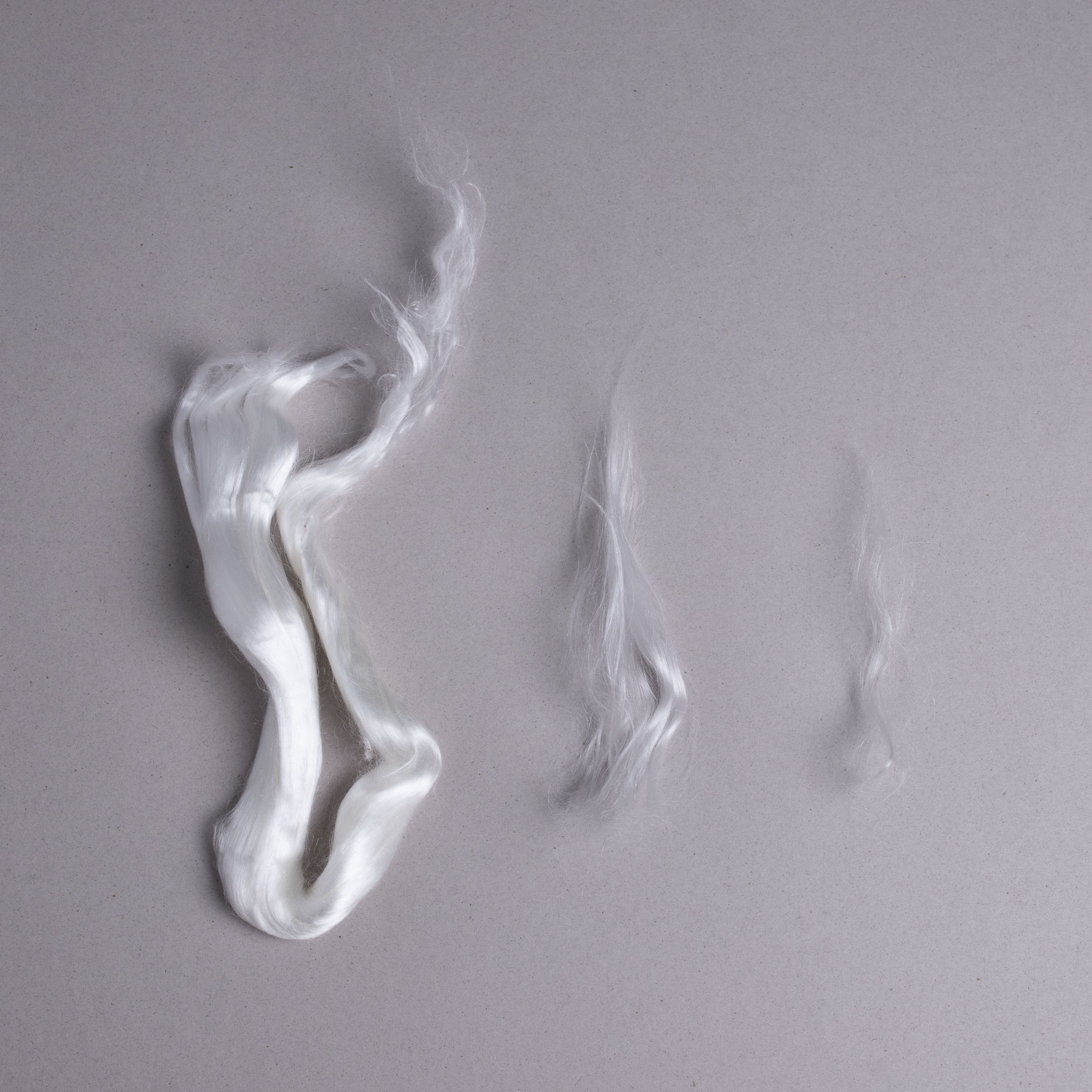
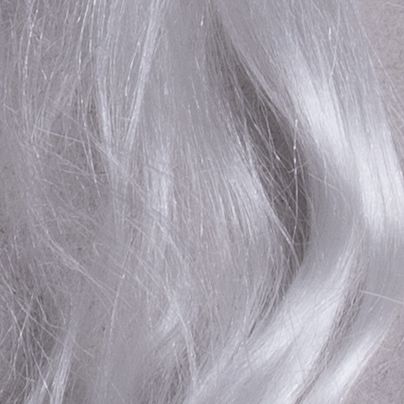
Tencel
The development of Tencel was driven by environmental concerns, as researchers sought a way to produce rayon in a less harmful manner than the traditional viscose method. The lyocell process was developed in 1972 by a team at the American Enka Fibers facility in North Carolina. The basic process of dissolving cellulose in NMMO (N-methylmorpholine-N-oxide) was first described in a patent from 1981.
Commercial production:
Tencel was originally registered as a trademark in 1982. In 1992, amid growing attention to pollution, Tencel Lyocell was launched, initially being used in the denim industry. The company Courtaulds, then owner of the Tencel Lyocell brand, established the Tencel Kai group in Japan to promote the material. Soon after, industrial trials proved very promising, leading to the emergence of the “soft denim” category.
Production process
Raw materials and preparation:
Tencel production begins with cellulose derived from wood pulp, mainly from eucalyptus, beech, or spruce trees. The wood used for all Tencel Lyocell and Modal fibers comes from controlled or certified sources that meet FSC® or PEFC standards and follow strict Lenzing wood and pulp sourcing policies.
Fiber processing and production:
The production of Tencel requires fewer steps compared to viscose fiber manufacturing. The process consists of four main stages:
Dissolving: Wood pulp is dissolved in an NMMO solution, forming a highly viscous mixture.
Spinning: The solution is extruded through spinnerets into an air gap and then regenerated in a coagulation bath.
Washing: The resulting lyocell fibers are washed, and residual NMMO is recycled.
Finishing: This stage includes additional fiber treatment such as bleaching, finishing, and drying.
The uniqueness of the process lies in its closed-loop system, where more than 99% of the solvent is recycled, making production environmentally friendly. Tencel uses a non-toxic solvent for workers and the environment, unlike traditional rayon production via viscose processes that use toxic carbon disulfide.
Properties of Tencel
Physical properties
Tencel stands out due to several physical properties that make it attractive for the textile industry:
Strength: 42–44 cN/tex dry, 37–41 cN/tex wet, higher than cotton.
Elongation: 14–16% dry, 16–18% wet.
Modulus at 5% elongation: 270 cN/tex, higher than polyester (210) and much higher than cotton (100).
Fiber cross-section: Nearly circular with a smooth cylindrical surface.
Water absorption: 65%, significantly higher than polyester (3%).
Comfort properties
Tencel offers exceptional comfort characteristics, making it a preferred textile material:
Softness: Softer than silk with a luxurious feel.
Moisture absorption: Better than cotton, quickly wicks moisture away from the skin.
Breathability: Better heat dissipation than linen, ideal for hot climates.
Hypoallergenic properties: Suitable for sensitive skin and allergy sufferers.
Antibacterial effects: Naturally helps prevent bacterial growth.
Applications in the textile industry
Apparel industry
Tencel is widely used in fashion due to its excellent properties:
Denim: Originally used for “soft denim,” still important today.
Summer clothing: Blouses, dresses, tops due to cooling and moisture-wicking properties.
Underwear: Softness and hypoallergenic nature make it ideal for intimate wear.
Sportswear: Moisture management and antibacterial properties support activewear.
Home textiles
Tencel is used in various home textile products:
Bedding: Breathability ensures comfortable sleep
Towels: High absorbency improves functionality
Curtains and upholstery: Softness and durability are valued
Technical applications
Tencel is also used in technical fields:
Automotive filters
Ropes and abrasive materials
Medical textiles such as bandages and protective clothing
Environmental aspects
Sustainable production
Tencel is known for its eco-friendly production process:
Closed-loop system: Over 99% of solvents and water are recycled
Lower emissions: At least 50% lower carbon emissions and water use compared to conventional fibers
Responsible sourcing: Wood from FSC® or PEFC certified forests
Biodegradability
Tencel is fully biodegradable and compostable. Studies show it can decompose faster than cotton under certain conditions, losing 48% of its weight and 98% of its strength after four months.
Types of Tencel
Tencel Lyocell vs Tencel Modal
Lenzing offers three cellulose-based solutions under the Tencel brand: Lyocell, Modal, and Lyocell Filament.
Tencel Lyocell: Made mainly from eucalyptus wood using an eco-friendly process. Stronger, especially when wet, and more versatile.
Tencel Modal: Made from beech wood, extremely soft and flexible, ideal for everyday and intimate clothing.
Lyocell is generally more durable and versatile, while Modal is softer and more luxurious.
Future of Tencel in textiles
With increasing demand for sustainable materials, Tencel is expected to continue growing in importance. Innovations focus on improving production efficiency and reducing environmental impact. Lenzing continuously enhances its processes to maximize resource efficiency and minimize environmental footprint, while partnerships across the textile industry drive new applications and innovations.
Show more