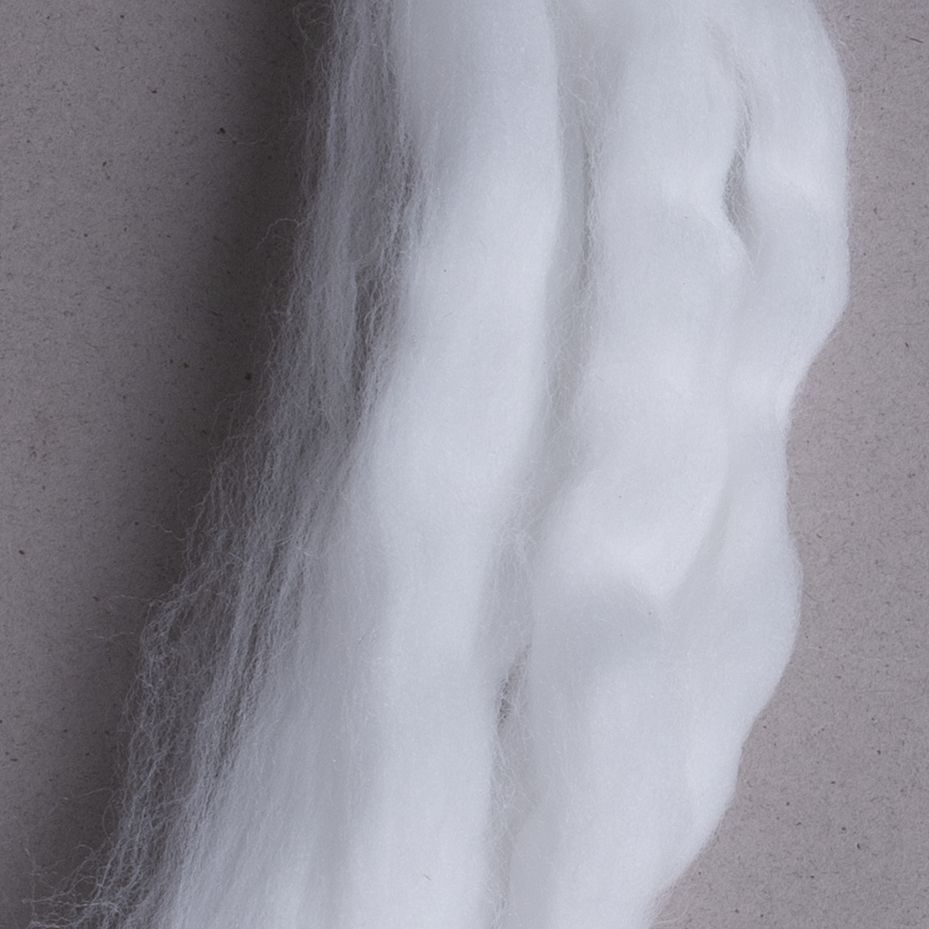
Nylon
Nylon is a trade name for a group of synthetic polyamide fibers, first developed in the laboratories of the DuPont company in 1935 under the leadership of chemist Wallace H. Carothers.
The production of nylon is based on the polymerization of caprolactam (in polyamide 6) or adipic acid and hexamethylenediamine (in polyamide 6.6), forming long molecular chains. These are then melted and extruded through fine spinnerets; upon cooling, continuous fibers are formed.
Nylon fibers are strong, elastic, lightweight, abrasion-resistant, and have high flexibility and good color stability.
Since the 1940s, nylon has become established in the textile industry as the first commercially produced fully synthetic fiber. It was initially used for toothbrushes, and in 1940 it became famous through the introduction of nylon stockings (“nylons”). Today, nylon is the basis for a wide range of textile products: fine and coarse yarns are used for underwear, hosiery, sports and functional clothing, upholstery, and technical textiles such as cordura, ballistic materials, carpets, ropes, and fishing nets.
Its importance is further supported by its recyclability, versatile processing options, and wide application across industries ranging from fashion to automotive and defense sectors.
Show more