ePrivacy and GPDR Cookie Consent by TermsFeed Generator

Jute

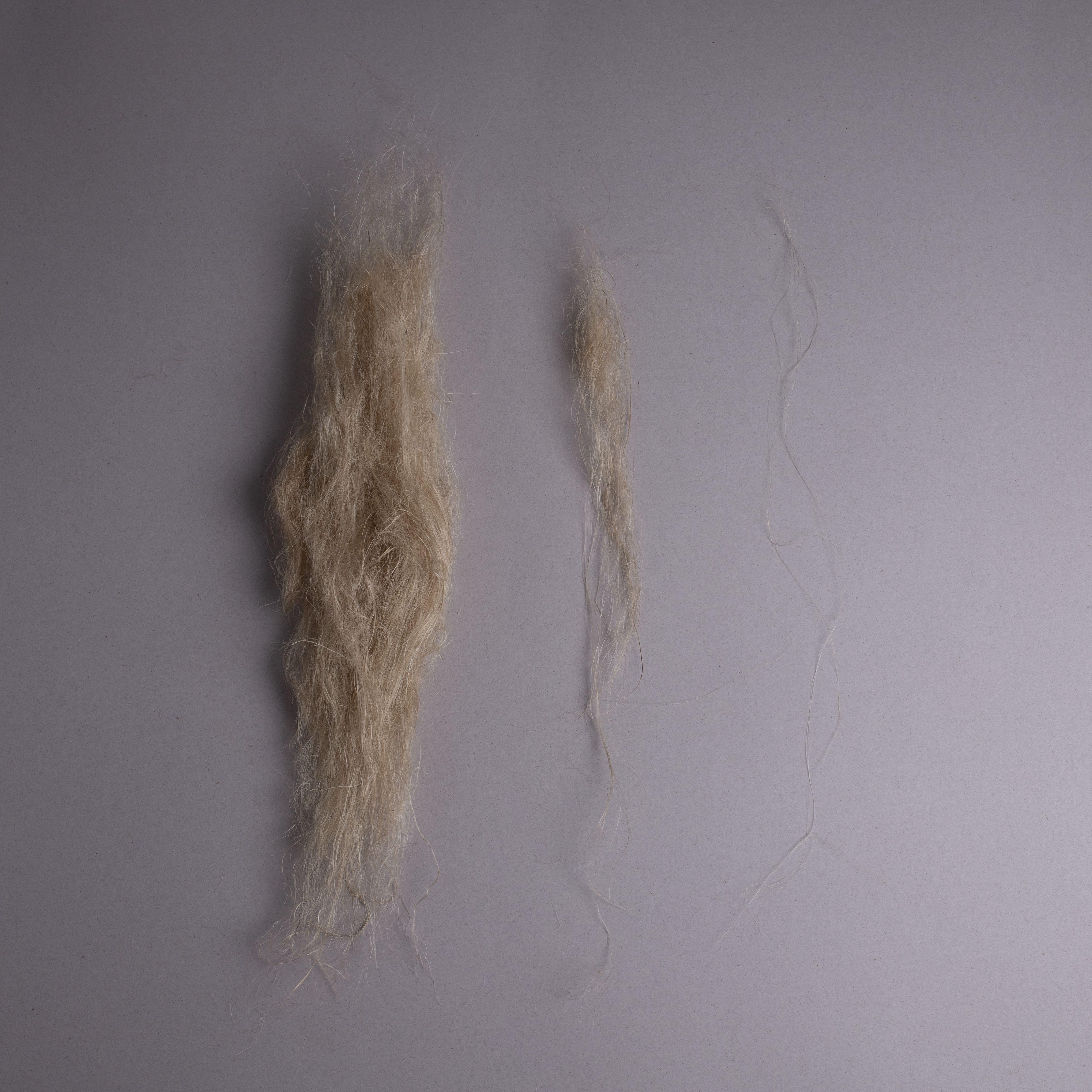
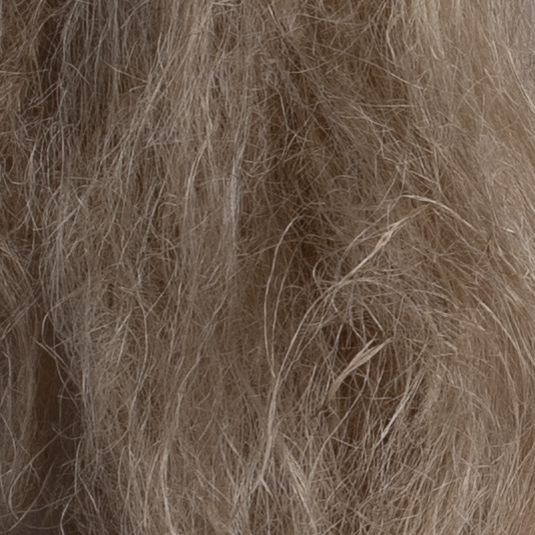
Jute is a natural bast fibre obtained from the stems of the jute plant (Corchorus genus), which is grown mainly in tropical and subtropical regions. The jute plant is an annual crop that grows to a height of about 2–5 metres. It is also known as the “golden fibre” because it typically has a golden-brown colour with a natural sheen. In terms of production and global consumption, it is second only to cotton and is one of the most affordable natural fibres. History: Jute originates from India, where it has been cultivated on farms for centuries. Jute sacks for spinning and weaving were developed in Dundee, Scotland, where a jute museum is located today. Jute products were largely replaced by synthetic fibres in the 1970s, and by the late 1990s the use of jute sacks declined further due to the rise of bulk packaging systems.
Show more


Gallery

Organizations Show more

Organization name Detail

About the material

Phase Phase 1
Origin Plant-based
Material group
Material type fiber
Material specification jute
Text source Textilepedia : slovo Jute https://beliana.sav.sk/heslo/juta
Traditional / Innovative traditional
Sustainability Yes
Sustainability description biodegradable and renewable, its cultivation binds CO₂ and does not burden the soil with pesticides
Fiber color golden-brown
Properties - fineness 15-20 μm
Properties - length The technical fibre (fibre bundle) has a length of 150–400 cm. The elementary fibres (individual cells) are 1–5 mm long.
Properties - strength Jute has high tensile strength—approximately 3.5–5.0 g/denier (equivalent to about 83–196 mN/tex). It is very strong and abrasion-resistant, but its strength is roughly half that of cotton.
Properties - elasticity Jute fibre is almost inelastic, very stiff, and has minimal elasticity. This means it does not easily break, but it also does not bend well or return to its original shape.
Properties - elongation and fiber density Jute has low extensibility—around 1.5–1.8%, meaning it elongates very little under load and tends to break rather than stretch. The density of jute fibre is approximately 1.48 g/cm³.
Other properties It is a fast-growing, low-maintenance crop that can be harvested every 4 to 6 months and requires only small amounts of pesticides or fertilisers.
Processing techniques related to this material
Processing - description
Institution to contact
Open-air museum
Museum
Literature used

Technologies

No records found matching your results
Táto fáza projektu Knižnica lokálnych textilných materiálov bola podporená Fondom na podporu umenia.
This phase of the project Library of Local Textile Materials was supported by the Slovak Arts Council.

Let's start working together

Whether you're a designer, manufacturer, or company, we help you innovate and create more sustainable products.

Sign up

You are contacting us:

The product has been successfully added to the shopping cart

Login