Bamboo viscose
Bamboo viscose is one of the most important innovations in the modern textile industry, combining the benefits of a natural raw material with advanced production technologies. This semi-synthetic material is produced from cellulose extracted from bamboo through a chemical process similar to that used for conventional viscose.
History and origin
Bamboo fibres have been used for thousands of years in traditional Asian cultures. In China, bamboo was used for paper production as early as the Han dynasty (206 BCE – 220 CE), while in Japan bamboo strips were woven into mats, baskets, clothing, and footwear for everyday use.
A key development in bamboo textiles came in the late 19th century when French chemist Hilaire de Chardonnet developed a process for converting bamboo pulp into “bamboo silk.” Modern industrial production of bamboo viscose began in the early 21st century, with institutions such as Peking University contributing to early breakthroughs around 2001.
Production process
There are two main methods: mechanical and chemical processing. Bamboo viscose follows a process similar to standard viscose production.
Bamboo pulp is crushed and soaked in sodium hydroxide to extract cellulose.
The material is treated with carbon disulfide.
It is dissolved again in sodium hydroxide to form a viscous spinning solution.
Fibres are formed through extrusion and regeneration.
Material properties
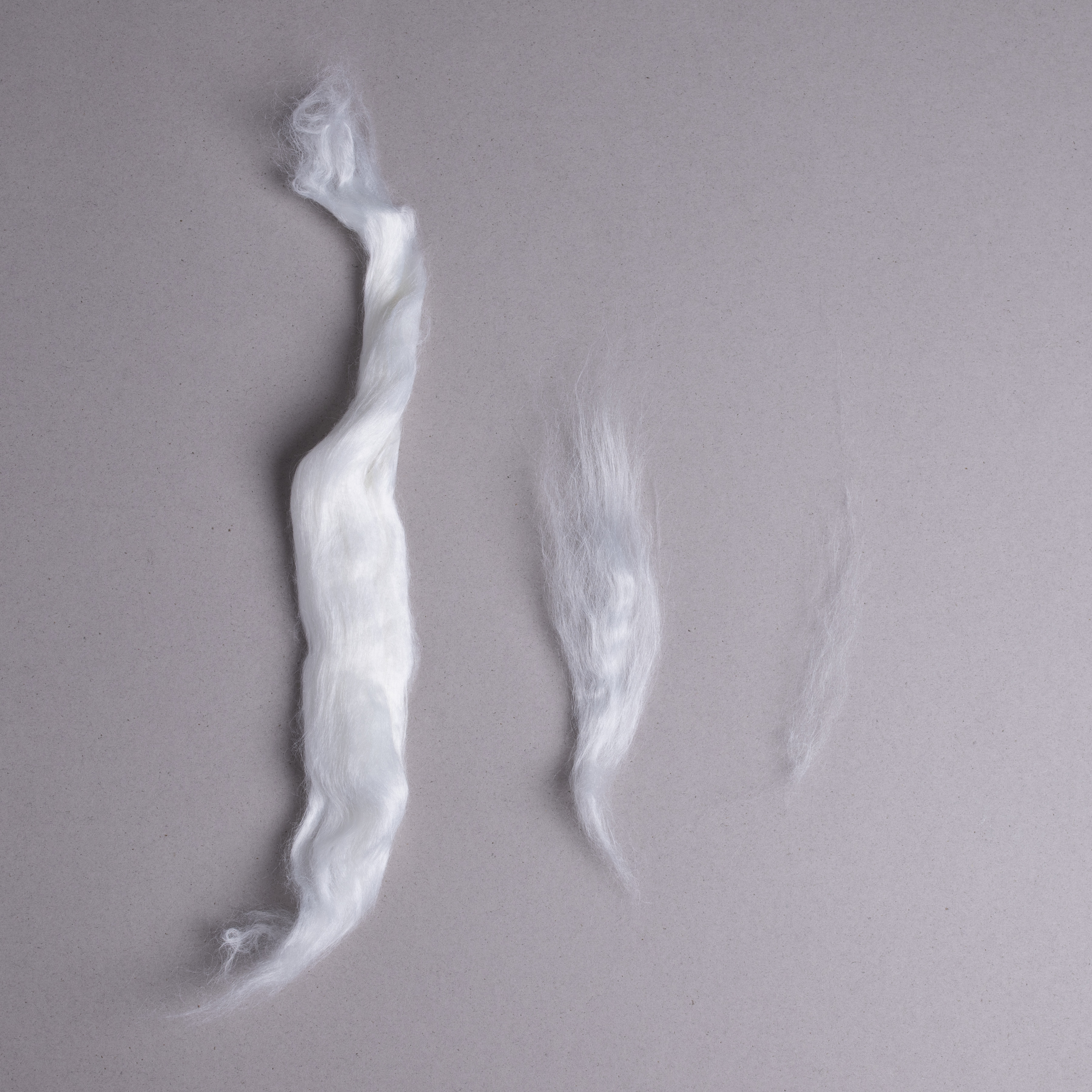
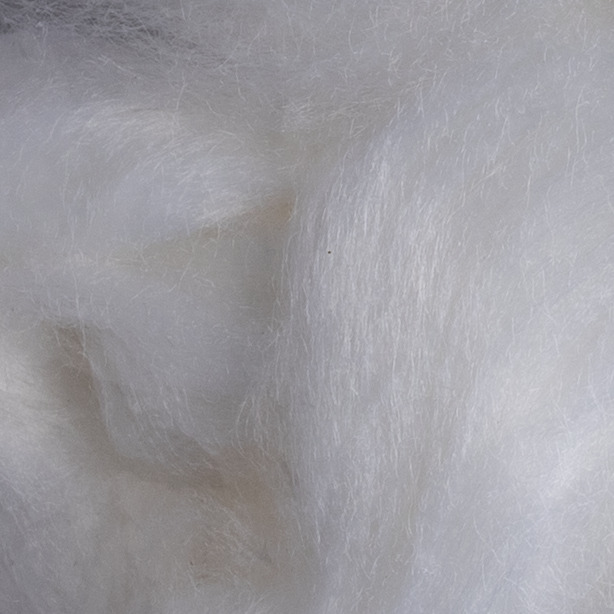
Soft, silk-like texture
High moisture absorption (hygroscopic)
Breathable and lightweight
Fine fibre structure (~8–12 μm diameter)
Natural sheen and good drape
Density similar to cotton (~1.5 g/cm³)
Antibacterial properties are debated; many studies show only limited or inconsistent antimicrobial effects in bamboo viscose fabrics.
Applications in the textile industry
Clothing: especially summer wear due to breathability and cooling effect
Home textiles: bedding, towels, curtains, cushions, carpets
Medical and hygiene products: masks, sanitary products, surgical garments
Technical textiles: composites, filters, geotextiles, insulation materials
Environmental aspects
Bamboo is a highly renewable resource, growing rapidly (fully mature in 3–5 years). However, bamboo viscose production relies heavily on chemical processing, making the overall material less sustainable than often assumed due to energy use and chemical waste.
Show more