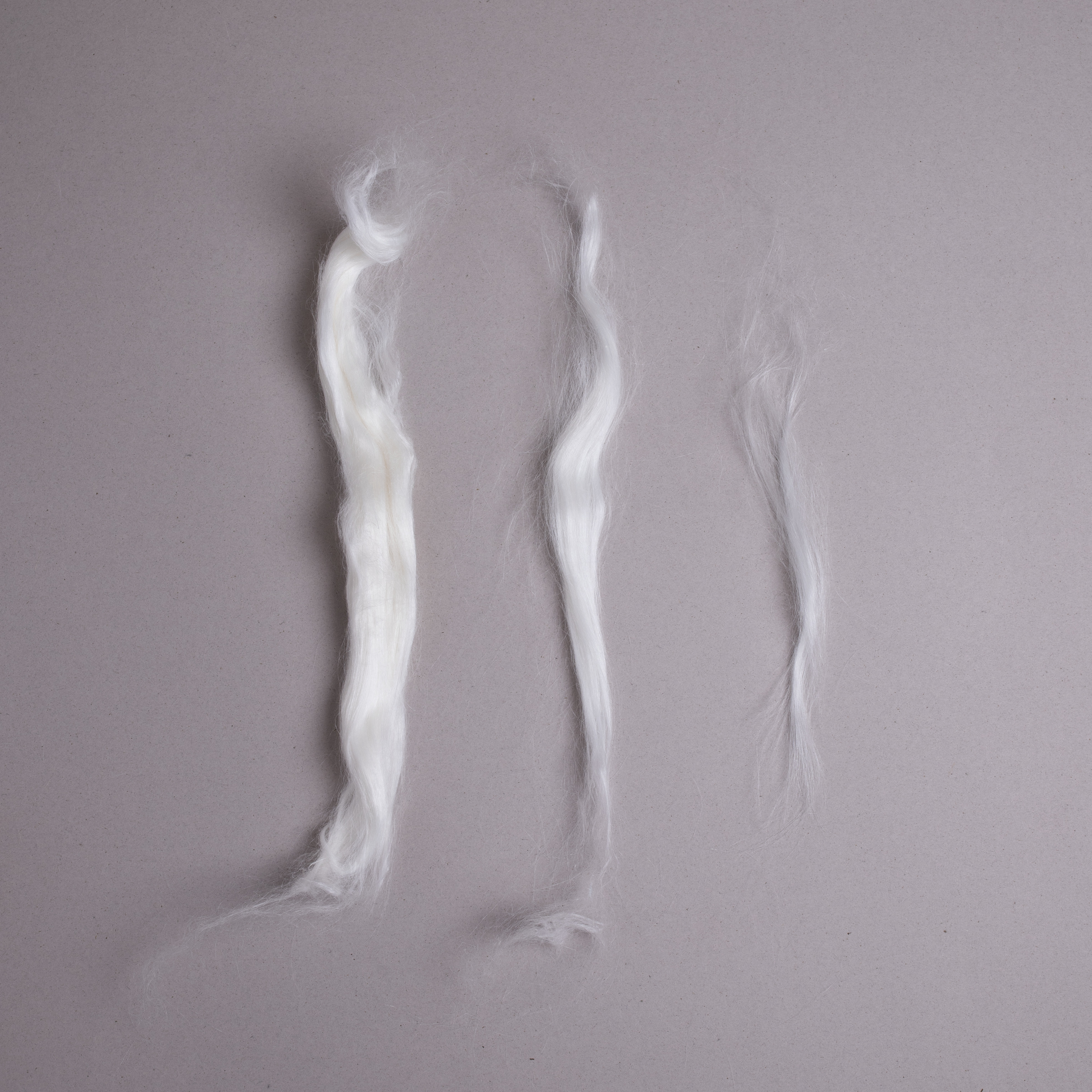
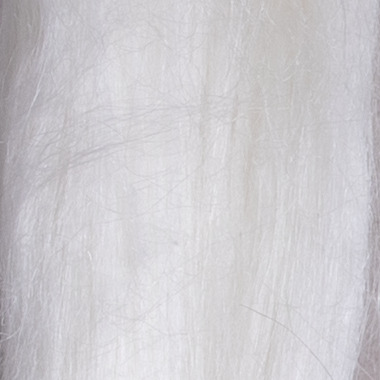
Banana viscose
Banana fibre is one of the oldest natural textile materials and has a long tradition of use in the textile industry. While traditional banana fibre is obtained mechanically from the pseudostem of the banana plant, banana viscose is a modern form of regenerated cellulose produced through chemical processing of banana pulp. This material combines a natural origin with advanced manufacturing technologies.
History of banana fibres
Traditional use in Asia
The history of banana fibre dates back to the 13th century in Japan, where the traditional fabric known as bashōfu was developed. The word literally means “banana fibre fabric” and became an important part of Okinawan culture. Japan has been processing banana fibres for around 800 years, achieving a high level of craftsmanship. The finest fibres were historically used for formal clothing, including garments worn by samurai and traditional kimonos.
Filipino traditions
In the Philippines, banana fibres from abacá (Musa textilis, also known as Manila hemp) have been used for centuries to produce textiles, ropes, and maritime products. This non-fruit-bearing banana variety is cultivated specifically for fibre production.
Global spread
Today, banana fibre is used in countries such as India, the Philippines, Ecuador, Japan, and Nepal. India is currently the largest banana producer in the world, generating large amounts of pseudostems suitable for fibre extraction.
Extraction of banana fibres
Raw material
Banana fibres are obtained from the pseudostem (false stem) of the banana plant (Musa acuminata, Musa sapientum), which is normally discarded after fruit harvesting. The pseudostem consists of tightly packed leaf sheaths and contains long fibres suitable for textile use.
Mechanical extraction (decortication)
The most common method includes:
Decortication: removing outer layers of the pseudostem
Separation: isolating fibres from pulp by crushing and scraping
Cleaning: washing away impurities and plant residues
Drying: sun-drying or controlled drying conditions
Biological extraction
Modern research uses enzymatic treatment (e.g., Aspergillus niger enzymes). This method improves fibre quality and can increase tensile strength by around 40% compared to mechanical extraction.
Chemical extraction (viscose production)
Banana viscose is produced similarly to standard viscose:
cellulose extraction using acid and alkali treatment
chemical dissolution into a viscous solution
regeneration of fibres through spinning processes
Properties of banana fibre
Fibre length: 1–5 m
Diameter: 80–250 μm
Very high tensile strength (up to 15× stronger than cotton)
Good moisture absorption and release
Natural sheen (silk-like appearance)
Fully biodegradable and environmentally friendly
Use in the textile industry:
Traditional uses
Clothing (kimono, shirts, dresses, summer garments)
Home textiles (carpets, mats, cushions, curtains)
Ropes, nets, geotextiles
Specialty products (filters, paper, tea bags)
Modern applications
Composite materials and bioplastics reinforcement
Nonwoven hygiene products
Blended yarns with cotton, viscose or Tencel
Eco-friendly technical textiles
Environmental benefits
Banana fibre is considered highly sustainable because it:
uses agricultural waste (pseudostems)
reduces environmental load
provides additional income for farmers
supports circular and sustainable production systems
Show more