Soy viscose
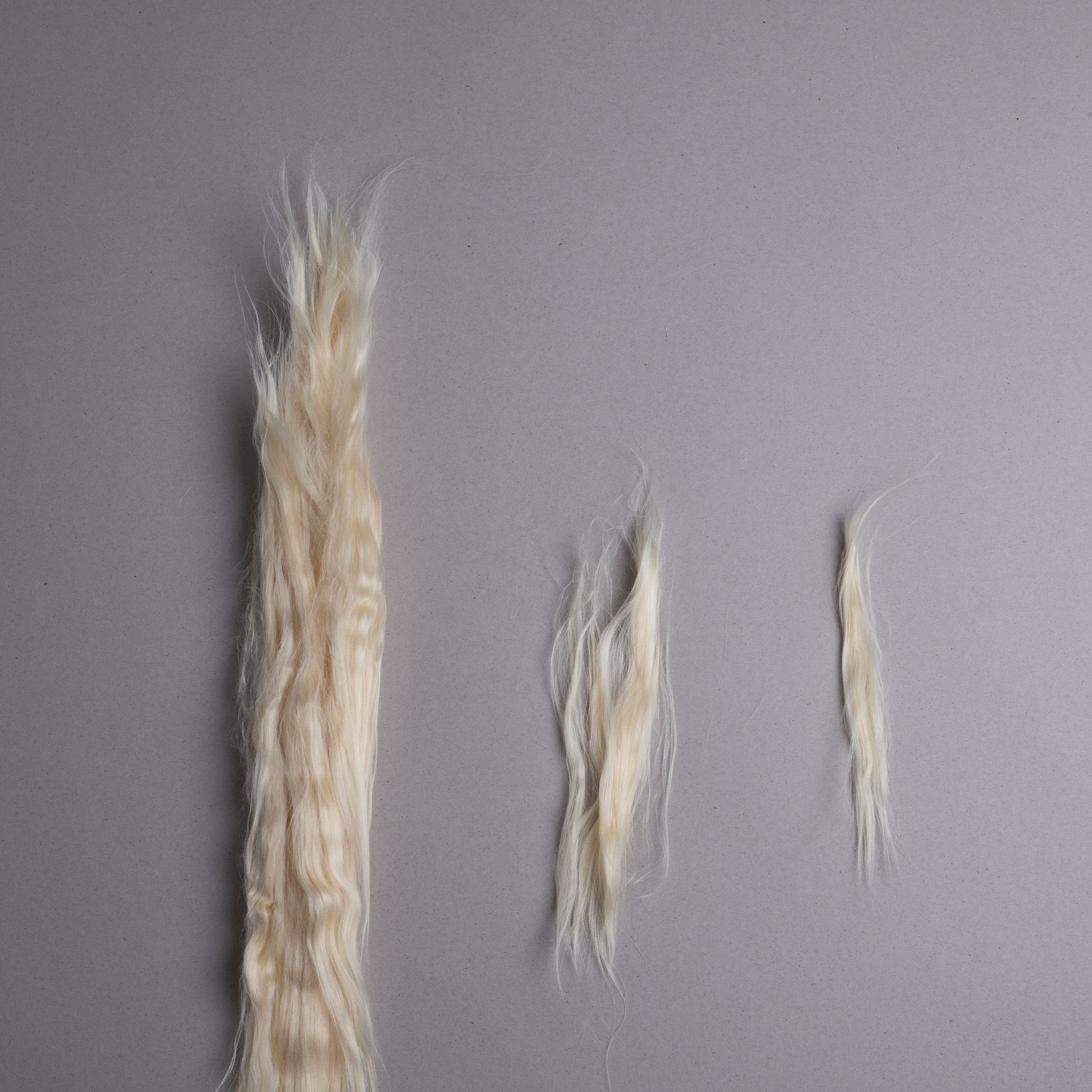
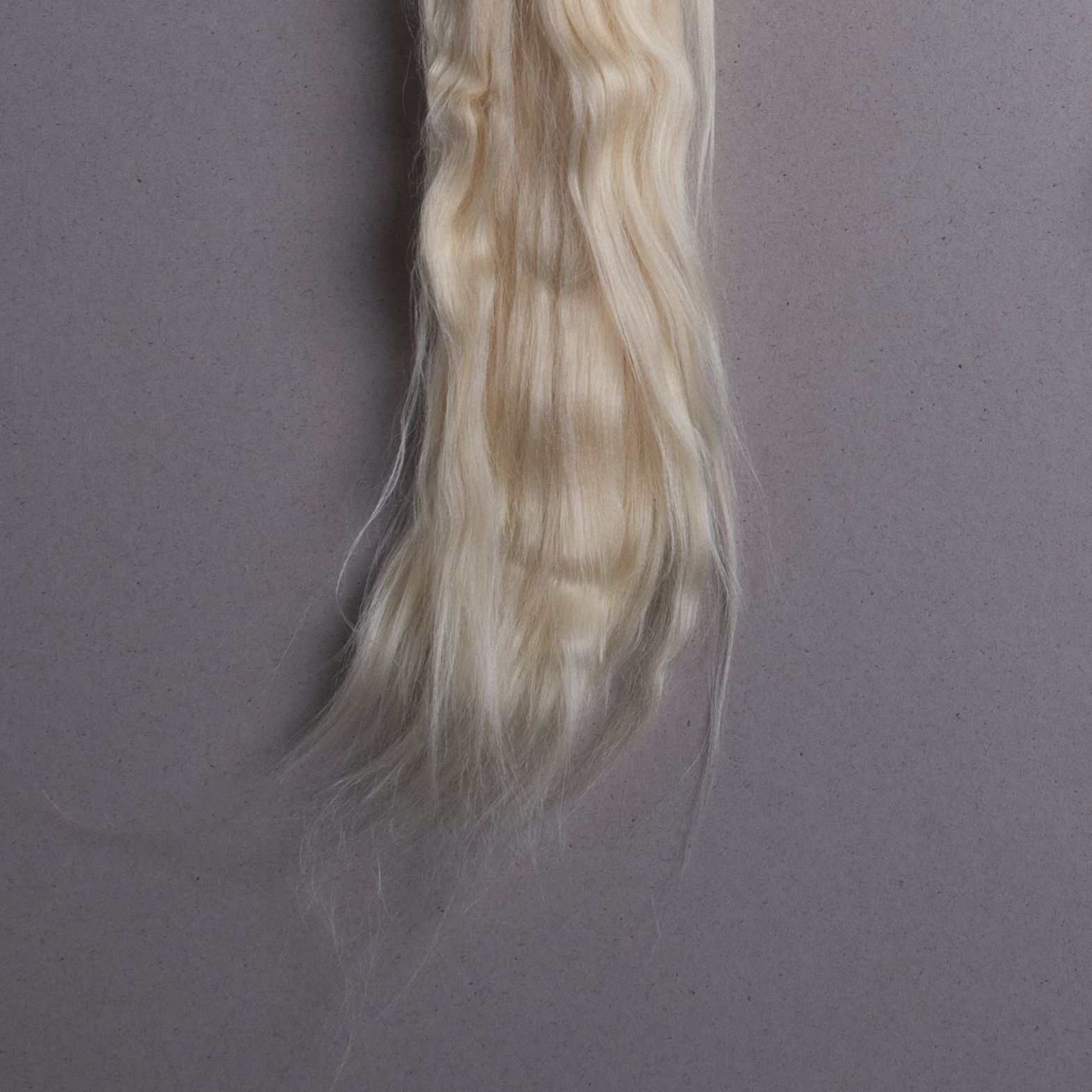
Soy Viscose – also known as soy fiber or “plant cashmere” – is one of the most interesting innovations in sustainable textile materials. This polysynthetic material is produced from protein extracted from soybeans, specifically from waste generated during the production of soybean oil or tofu. Soy fiber combines the properties of both natural and synthetic fibers and is valued for its exceptional softness, which has earned it the nickname “vegetable cashmere” or “soy silk”.
History of Soy Fiber
Origins and Henry Ford
The history of soy fiber has fascinating roots dating back to the 1930s. A major role in its development was played by the legendary Henry Ford of Ford Motor Company, who is considered the inventor of soy fiber. Ford had a vision of connecting agriculture with industry within his philosophy called “chemurgy”. In 1938, Ford wore a soy-wool tie, reportedly his favorite gift for his 75th birthday. In 1941, Ford was photographed wearing the first known soy suit and tie, made from a blend of soy “wool” and sheep’s wool. Around 1940, he built a pilot plant for the production of soy “wool” with a capacity of 1,000 pounds per day, and a blended material containing 25% soy “wool” and 75% sheep’s wool was used as upholstery for the side panels in many Ford cars.
Wartime period and decline
The use of soy fiber in the automotive industry continued until World War II, when soy fiber became a “casualty of war” and was replaced by newer, cheaper synthetic fibers such as nylon. Despite Ford’s efforts to popularize soy fiber in the United States, the project had a short lifespan due to wartime events.
Modern renaissance
A breakthrough came in 1999 when engineers announced a new method of producing soy fiber that was significantly cheaper and more efficient. By 2003, this new production method achieved global success. In 2003, the development of this process was awarded the Gold Medal of the World Intellectual Property Organization (WIPO). This renaissance in the early 2000s resulted from growing interest in more sustainable natural fibers.
Manufacturing Process
Raw material preparation
Soy fiber is produced from waste generated during the production of soybean oil, tofu, or soy milk, which would otherwise be discarded. This process represents an effort to move textile production away from petrochemical-based fibers and convert waste into useful products.
Technological process
The production of soy fiber is an advanced process involving several key steps:
Degreasing: Soybeans are defatted by pressing or solvent extraction
Separation: Protein is extracted from soybean meal using alkaline extraction and acid precipitation
Drying: Spray drying at temperatures of 160–170°C
Spinning: Wet spinning similar to other wet-spun fibers, divided into two phases – preparation of a slurry and spinning with subsequent processing
First, protein is extracted and refined from the meal, then its molecular structure is modified using additives and biological enzymes, forming a protein spinning solution with high polymers. Finally, the solution is heated and processed via wet spinning to produce fibers of 0.9–3.0 dtex, which are stabilized by acetalization and then cut into staple fibers after crimping and heat setting.
Properties of Soy Fiber
Physical characteristics
Soy fiber has exceptional properties that make it attractive for the textile industry:
Fineness: 0.9–3.0 dtex
Color: Naturally light yellow, similar to silk
Luster: Silky appearance with exceptional shine
Density: Similar to cotton
Strength: Higher than wool, silk, and cotton
Comfort properties
Soy fiber is characterized by excellent comfort features:
Softness: Silky texture with a “skin-to-skin” feel
Lightweight: Very light and airy material
Breathability: High breathability and moisture transport
Moisture absorption: Comparable to cotton but with better wicking
Thermoregulation: Keeps warm like wool but cools in summer
Special properties
Soy fiber also has unique characteristics:
Antibacterial effects: Natural antimicrobial properties
UV protection: Resistance to ultraviolet radiation
16 amino acids: Contains skin-beneficial amino acids
Hypoallergenic: Suitable for sensitive skin
Non-shrinking: Does not shrink during washing
Applications in the Textile Industry
Apparel industry
Soy fiber is widely used in various clothing categories:
Summer clothing: Blouses, tops, skirts, dresses due to cooling properties
Luxury garments: Suits, coats, evening dresses
Sportswear: Due to breathability and moisture management
Children’s clothing: Because of hypoallergenic properties
Underwear: Due to softness and comfort
Blended applications
Soy fiber is often blended with other fibers to improve performance:
With cotton: High-count yarns for fine knitwear
With silk: Maintains silk’s luster and drape while improving absorbency
With wool: Reduces shrinkage and improves care properties
With cashmere: Enhances smoothness and ease of maintenance
Home textiles
In home textiles, soy fiber is used for:
Upholstery
Bed linens
Blankets and pillows
Carpets and mats
Advantages and disadvantages
Main advantages
Eco-friendly: Made from soy industry waste
Biodegradable: Fully compostable
Easy care: Machine washable
Anti-pilling: Does not form pills
Safe: Oeko-Tex certified
Limitations
Lower strength compared to cotton or hemp
Weak elastic recovery (55.4% vs 70–80% for other fibers)
Low crimp stability
Requires anti-slip additives during spinning due to low cohesion
Environmental aspects
Sustainability
Soy fiber is considered one of the most ecological textile materials:
Renewable resource (soy is easily cultivated)
Uses industrial food waste
Faster biodegradation than petroleum-based products
Minimal environmental impact (can be grown without pesticides)
Comparison with other materials
Compared to traditional materials, soy fiber:
Uses less water than cotton
Produces fewer greenhouse gases than polyester
Is cheaper and more accessible than cashmere
Is cruelty-free compared to silk
Show more