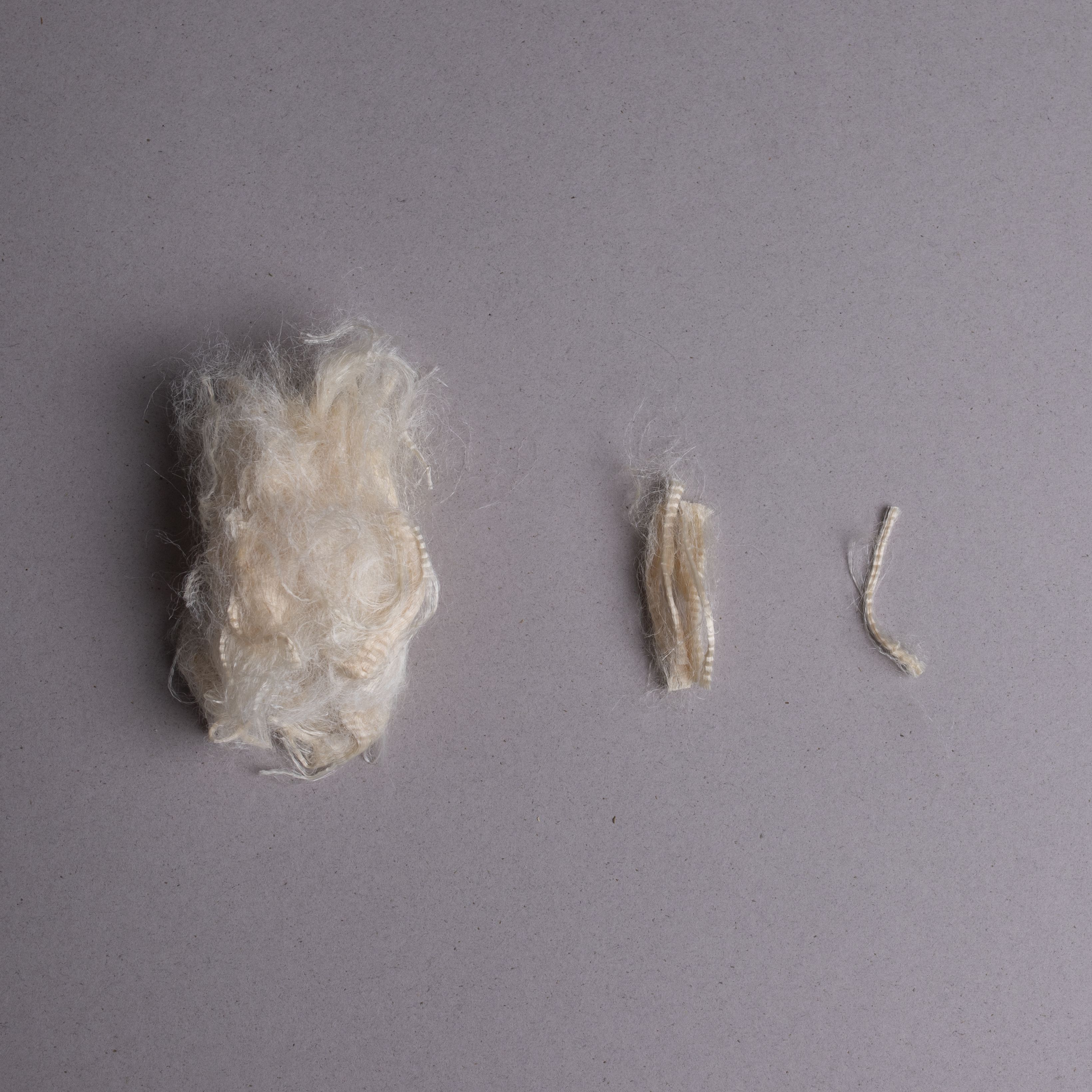
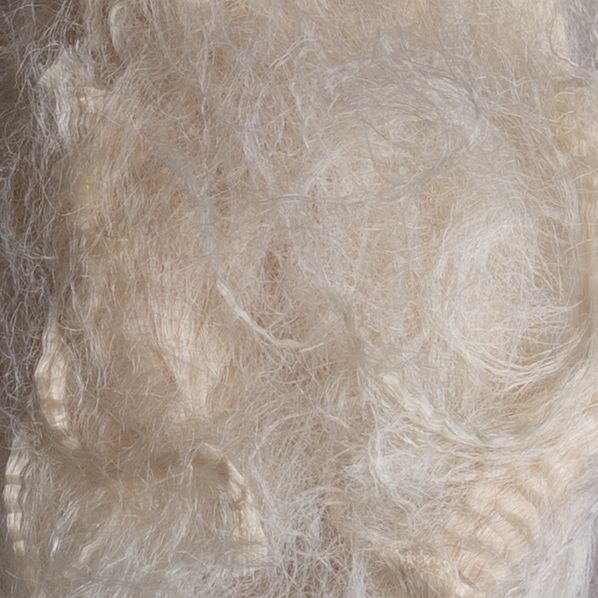
Soy crepe viscose is a specialized type of textile material that combines the properties of soy fiber with a characteristic crepe texture. This material combines the benefits of eco-friendly soy protein with the aesthetic and functional properties of crepe, creating a unique textile suitable for the modern textile industry.
History and development
Origins of soy fiber
The history of soy fiber dates back to the 1930s, when Henry Ford of the Ford Motor Company began experimenting with this material. In 1940, Ford started producing a fabric that was a combination of soy fiber and wool, which was used for upholstery. In 1941, Ford was photographed in the first known soy suit and tie, made from a blend of soy “wool” and sheep wool.
The project had a short life due to World War II, when soy fiber became a “casualty of war” and was replaced by newer, cheaper synthetic fibers such as nylon. A breakthrough came in 1999, when engineers announced a new method of producing soy fiber that was more cost-effective and efficient. By 2003, this new production method achieved significant global success, and in the same year it was awarded the Gold Prize by the World Intellectual Property Organization (WIPO).
History of crepe technology
The exact origin of crepe is not known, but one of the earliest records dates back to the 17th century. In 1822, the first patent for gauffered crepe was filed in England. Crepe is a fabric with a wavy, grainy, matte surface created by specific weaving techniques or twisting of yarns.
Production process and properties
Soy fiber production technology
Soy fiber is made from waste generated during the production of soy oil, tofu, or soy milk. The production process includes several key steps: defatting soybeans, separating protein from soy meal through alkaline extraction and acid precipitation, spray drying at 160–170°C, and wet spinning. First, protein is extracted and refined from the meal, then its molecular structure is modified using additives and biological enzymes.
Crepe texture
Crepe texture is created using crepe yarns with a high number of twists (1200 to 2500 twists per meter) applied during spinning or twisting. This yarn has a grainy surface and is highly flexible; twisting reduces strength by up to 30%. Crepe fabrics can also be produced through a specific weave, where yarns are twisted in alternating directions.
Properties of soy crepe viscose
Mechanical properties
Soy fiber has a fineness of 0.9–3.0 dtex and a natural light yellow color similar to silk. Its strength is higher than wool, silk, and cotton, with elongation at break of 7–10%. The material is extremely soft and has a silky texture with a “skin-on-skin” feel.
Comfort properties
Soy crepe fiber offers excellent comfort properties, including high breathability and moisture wicking. It has antibacterial effects, UV protection, and contains 16 amino acids beneficial for the skin. Its thermoregulatory properties allow it to retain warmth like wool while keeping the body cool in summer.
Crepe characteristics
The crepe texture gives the material elasticity and a distinctive textured surface. Crepe fabrics are porous, easy to drape, and generally wrinkle-resistant. Due to the strong twist of the fibers, the fabric is durable, dense, and elastic.
Applications in the textile industry
Apparel industry
Soy crepe viscose is widely used in various clothing categories. It is especially suitable for summer clothing such as blouses, tank tops, skirts, and dresses due to its cooling properties. It is also used for luxury garments such as suits, coats, evening dresses, and sportswear due to its breathability and moisture management.
Blended applications
Soy fiber is often blended with other fibers to improve properties. With cotton, it creates fine yarns for thin sweaters; with silk, it preserves silk’s shine and drape while improving absorbency. With wool, it reduces shrinkage and improves care; with cashmere, it increases smoothness and ease of maintenance.
Home textiles
In home textiles, soy crepe viscose is used for upholstery, bed linen, blankets and pillows, carpets, and mats. The crepe texture gives these products an elegant appearance and functional benefits.
Technical applications
The material is also used in technical textiles such as composites reinforcement, geotextiles, filters, and insulating materials. Soy fiber has high tensile strength and good wear resistance, making it suitable for technical applications.
Environmental aspects and future
Sustainability
Soy crepe viscose is considered one of the most eco-friendly textile materials. Soy is a highly renewable crop, and the material uses waste from the food industry. It is biodegradable and decomposes faster than petroleum-based products.
Modern trends
With growing demand for sustainable textiles and eco-friendly solutions, soy crepe viscose has strong potential for future development in the textile industry. The material is often referred to as “vegetable cashmere” due to its exceptional softness.
Certifications and standards
Modern production of soy crepe viscose follows certifications such as OEKO-TEX Standard 100 and GOTS (Global Organic Textile Standard), ensuring environmentally friendly and socially responsible production conditions.
Show more