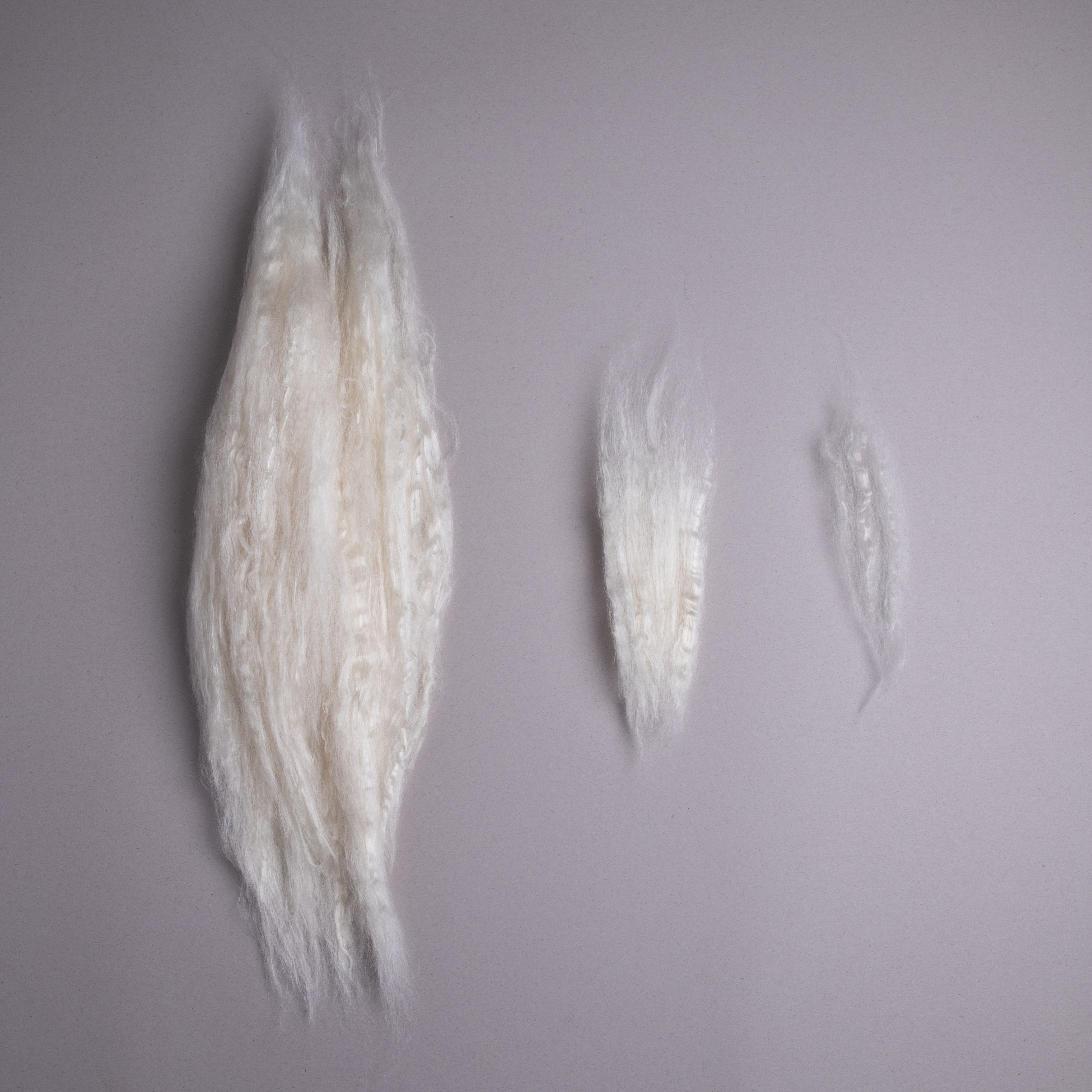
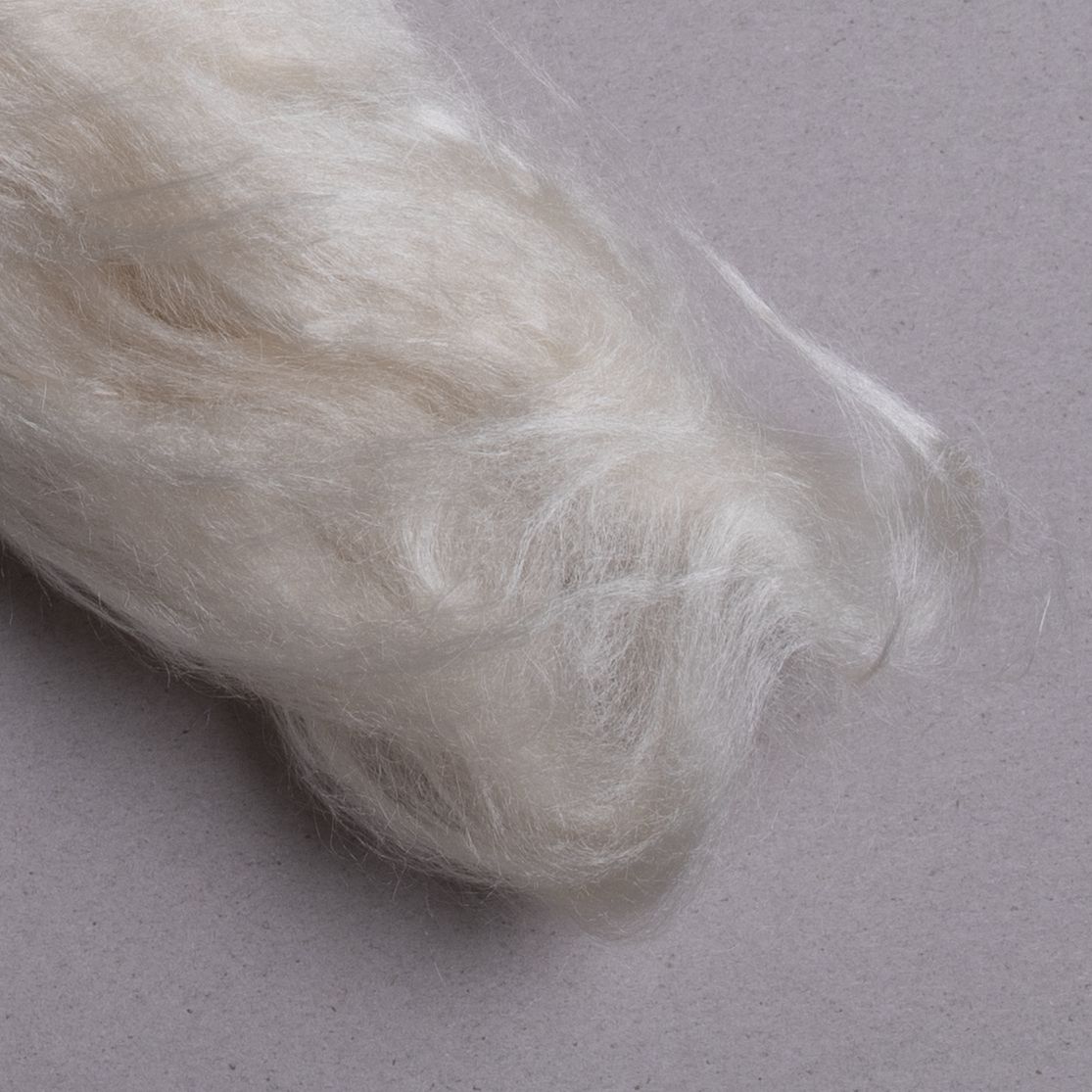
Mint viscose represents one of the newest innovations in the field of functional textile materials, combining the traditional properties of viscose fiber with the exceptional antibacterial and cooling effects of mint extract. This polysynthetic material is made from regenerated cellulose with the addition of natural active substances from mint, creating a unique fiber with multifunctional properties. Mint fiber is characterized as a biodegradable cellulose fiber enriched with mint powder extracted from mint leaves, containing natural cooling and antibacterial properties.
History and development
Early technology
The history of mint viscose is relatively short compared to traditional textile fibers, as it is a modern 21st-century innovation. The first patents related to viscose fiber with mint-based antibacterial functionality were filed in 2009–2010 in China, marking the beginning of the commercial development of this material. The technology further evolved with patents from 2014–2015 describing advanced methods for producing mint composite cellulose fibers.
Technological progress
A breakthrough came with the development of advanced microencapsulation technologies, which enabled efficient incorporation of mint extracts into viscose fibers. The production process uses nanomilling and microencapsulation techniques to mix active components of natural mint with cellulose in the form of a microcapsule coating, which is then spun into fibers. This technology ensures that mint’s active substances are evenly distributed within the fiber and retain their functionality even after repeated washing.
Modern development
Today, mint viscose is produced using advanced processes involving the addition of ultra-fine mint extract particles smaller than 200 nm into the viscose spinning solution. The technology is continuously improving to enhance the durability of functional properties and optimize production processes.
Production process
Preparation of mint extract
Production begins with the preparation of mint extract from natural mint leaves without chemical additives. The extract is mechanically milled into ultra-fine particles smaller than 200 nm, typically 100–150 nm. It can also be prepared as a solution dissolved in water at 15°C in a ratio of 200 g per 1000 ml.
Microencapsulation technology
A key step is microencapsulation, where mint active ingredients are enclosed in microcapsules that are then added to the viscose solution. β-cyclodextrin is used as a carrier material to trap mint oil and enable its controlled release. The process includes preparing menthol microcapsules, mixing them with mint extract, and adding them to the viscose spinning solution.
Spinning process
Fine mint particles or their solution are added to a viscose spinning solution with a 5% fiber content at a concentration of 1–10% of the spinning mass. After mixing and vacuum deaeration, the solution is processed via wet spinning through a metering pump, candle filter, and spinnerets into a 40°C coagulation bath. The bath consists of sulfuric acid (85 g/L), sodium sulfate (270 g/L), and other chemicals required for fiber solidification.
Properties of mint viscose
Mechanical properties
Mint viscose has a density similar to cotton (1.50–1.52 g/cm³) and excellent moisture absorption, with a moisture regain of about 13% under normal atmospheric conditions. Technical properties include a fiber length of 38 mm, fineness of 1.33 dtex, breaking strength of 2.34 cN/dtex, and elongation at break of 20.1%. The fiber has a natural light-yellow color and an elliptical cross-section (unlike conventional viscose, which has a zigzag cross-section), giving it a glossy and mercerized feel.
Antibacterial properties
Mint fibers contain many active compounds such as menthone, emodin, chrysophanol, physcion, anthranilic acid, and sitosterol, which provide broad-spectrum antibacterial effects. Testing shows high resistance and inhibition against Escherichia coli, Staphylococcus aureus, and Candida albicans, with effectiveness above 99%. Antibacterial and washing durability can reach international AAA antimicrobial standards.
Cooling effect
Natural mint provides a cooling sensation with a measured q-max value of 0.396 J/cm²·sec. Mint fiber delivers a natural cooling effect upon contact with the skin, offering a comfortable wearing experience. The cooling sensation is caused by menthol and menthone in mint oil, which have strong cooling properties.
Functional characteristics
Mint fiber has high moisture absorption, better than cotton and modal, ensuring very comfortable wear. Its smooth feel comes from its elliptical cross-section, giving it a glossy, mercerized texture. It also has strong antimicrobial and antifungal properties, helping prevent mold, odor, and fabric degradation.
Use in the textile industry
Clothing industry
Mint viscose is widely used for underwear, garments, and home textiles. Fabrics typically consist of 20–30% mint fiber, 10–20% cotton, and 50–70% polyester. It is especially suitable for children’s clothing, sportswear, and summer garments due to its cooling and antibacterial properties.
Medical applications
In healthcare, mint viscose is used for hospital bedding, masks, patient clothing, shoe insoles, and products for skin conditions such as allergy-related itching. It provides comfort and may also act as a mosquito repellent. It is suitable for hygiene products due to its antibacterial properties.
Home textiles
In home textiles, mint viscose is used for bed linen, towels, curtains, pillows, and carpets. It is valued for softness, breathability, and moisture management, making it ideal for skin-contact products. Its aromatic properties can also improve indoor comfort.
Technical applications
Mint fibers are used in nonwoven materials, filters, and specialized applications. They also show potential in composites and geotextiles due to their strength and functionality. In the automotive industry, they can be used in interior components requiring antibacterial and refreshing effects.
Ecological aspects and sustainability
Environmental benefits
Mint viscose is considered an eco-friendly textile material because it uses natural mint extracts without harmful chemicals. It is fully biodegradable and decomposes naturally in soil. Mint cultivation does not require intensive fertilizers or pesticides, making it environmentally sustainable.
Sustainable production
Production uses renewable resources and minimizes waste. Modern closed-loop systems recycle chemicals used in manufacturing. Some biodegradable blends can decompose in about 6 weeks, compared to 11 weeks for cotton.
Future and trends
Market prospects
Functional fiber markets, including mint viscose, are growing due to increasing demand for eco-friendly and health-oriented materials. The global mint product market was valued at USD 3.72 billion in 2023 and is expected to grow at 6.9% annually until 2030.
Technological innovations
Future development focuses on improving microencapsulation technology and enhancing the durability of functional properties. Research is exploring combinations of mint extracts with other natural substances to create multifunctional textiles. Advances in nanotechnology allow better incorporation and controlled release of active ingredients.
Show more