PET bottles
PET bottles are plastic containers made from polyethylene terephthalate (PET), a thermoplastic polyester synthesized from terephthalic acid and ethylene glycol. The material was developed in 1941 in England and became widely adopted worldwide from the 1970s due to its strength, light weight, transparency, and resistance to chemicals and gases.
PET is produced through polycondensation, forming polymer chains that are then processed into solid granules. These granules are melted and injection-molded into preforms, which are subsequently blow-molded into bottles of the desired shape.
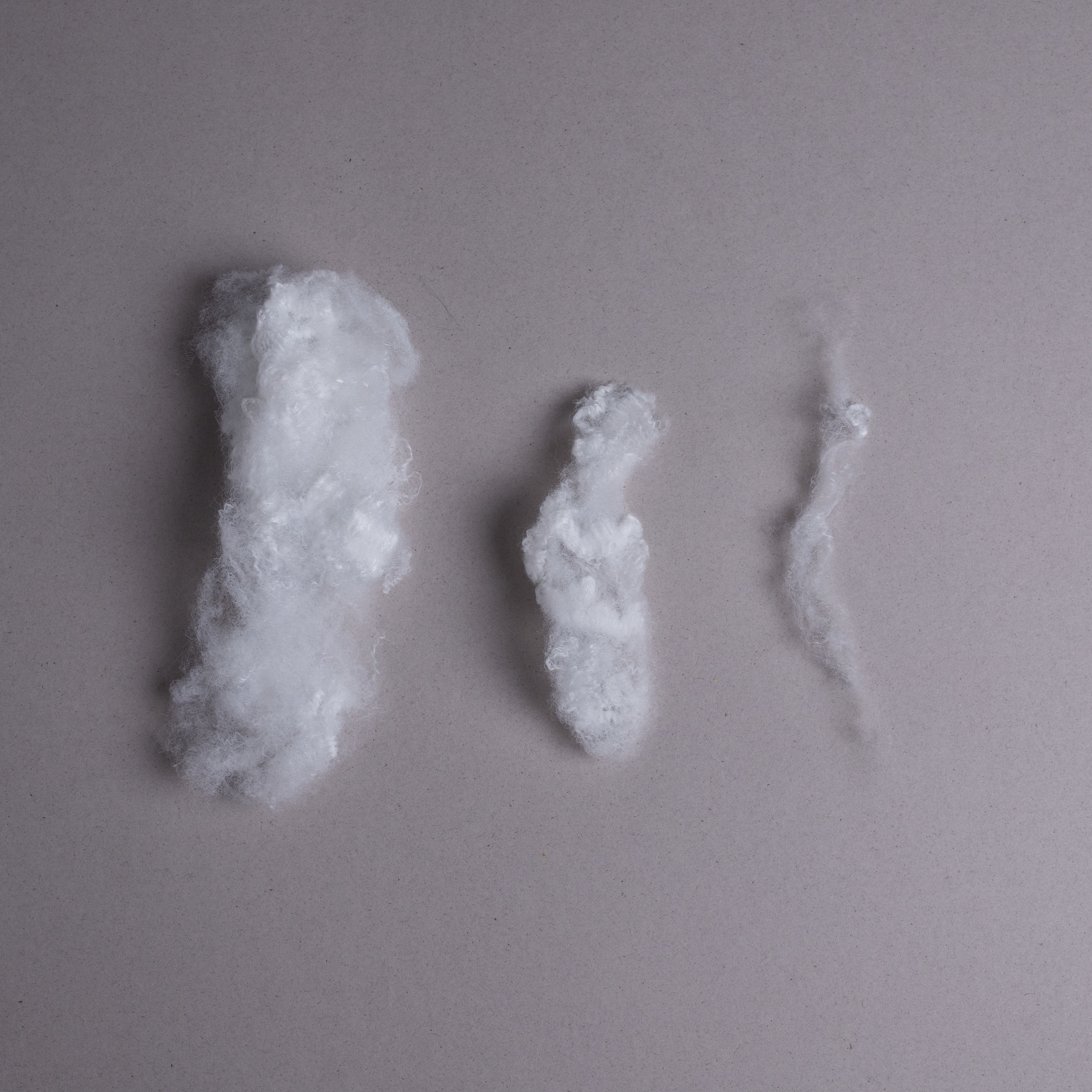
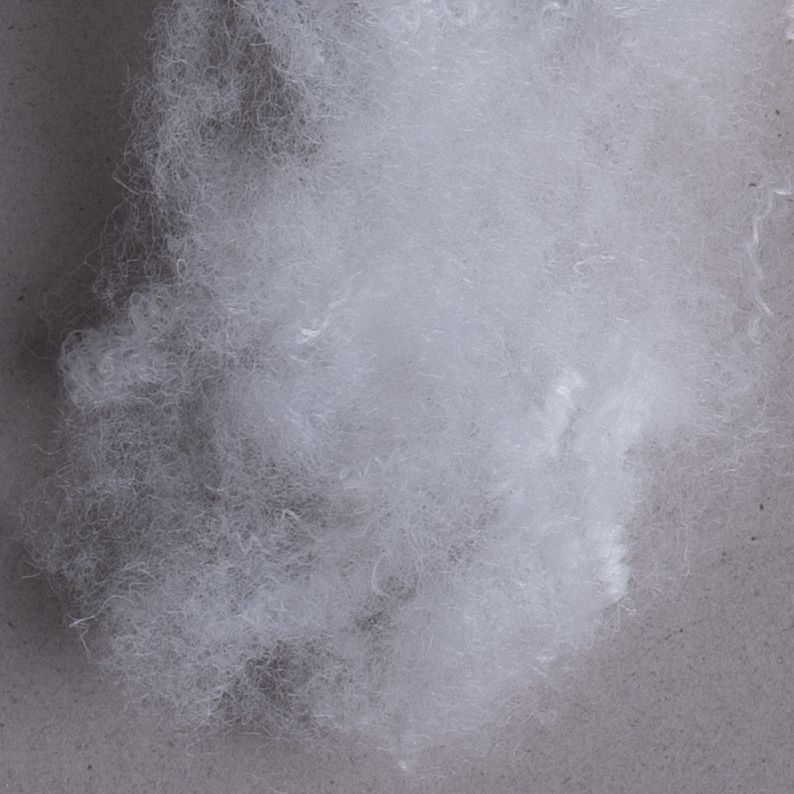
After use, PET bottles represent an important source of secondary raw material. The recycling process involves sorting, cleaning, and grinding the material into flakes, which are then melted and extruded through fine spinnerets to produce polyester fibers known as rPET.
In the textile industry, recycled PET is used to manufacture yarns for clothing, sports textiles, fleece fabrics, upholstery, and nonwoven materials. rPET yarns are characterized by elasticity, strength, color stability, and excellent resistance to wrinkling.
The growing emphasis on ecological solutions makes the use of PET bottles an important part of the circular economy and sustainable production.
Show more