industrial creping
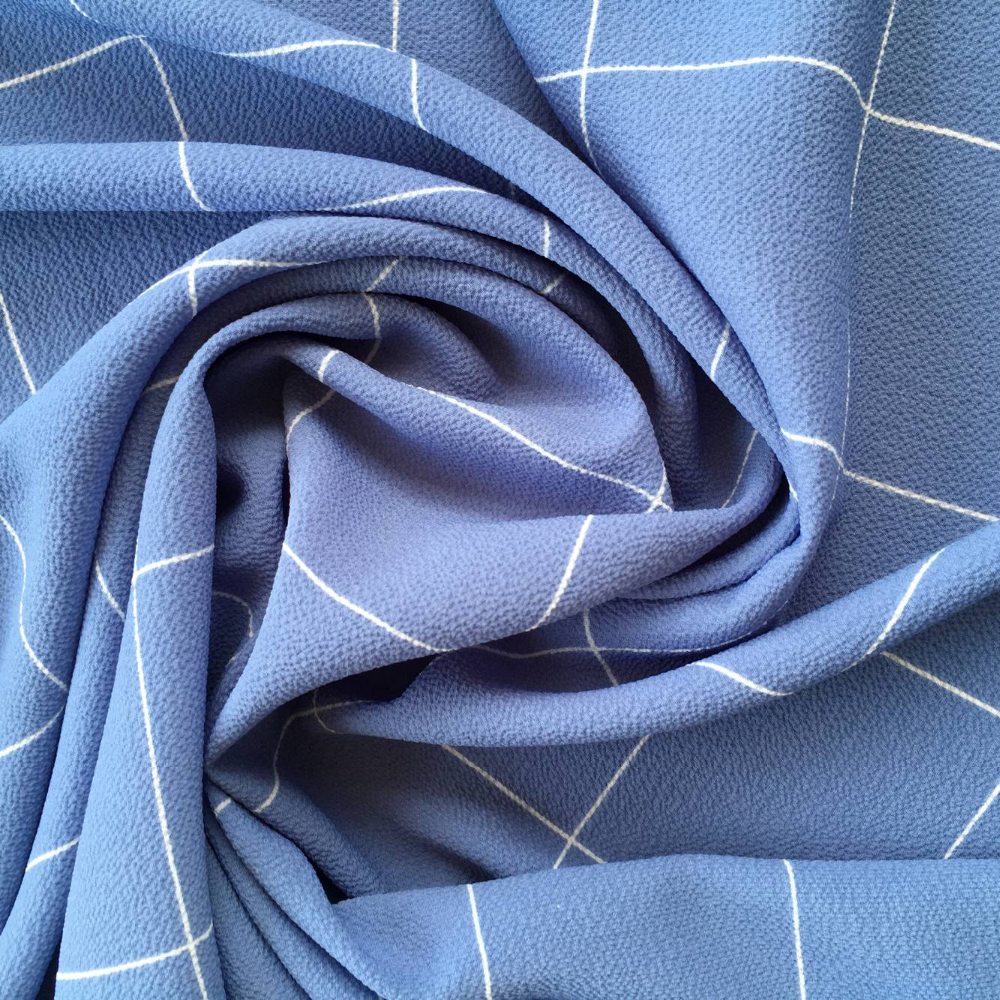
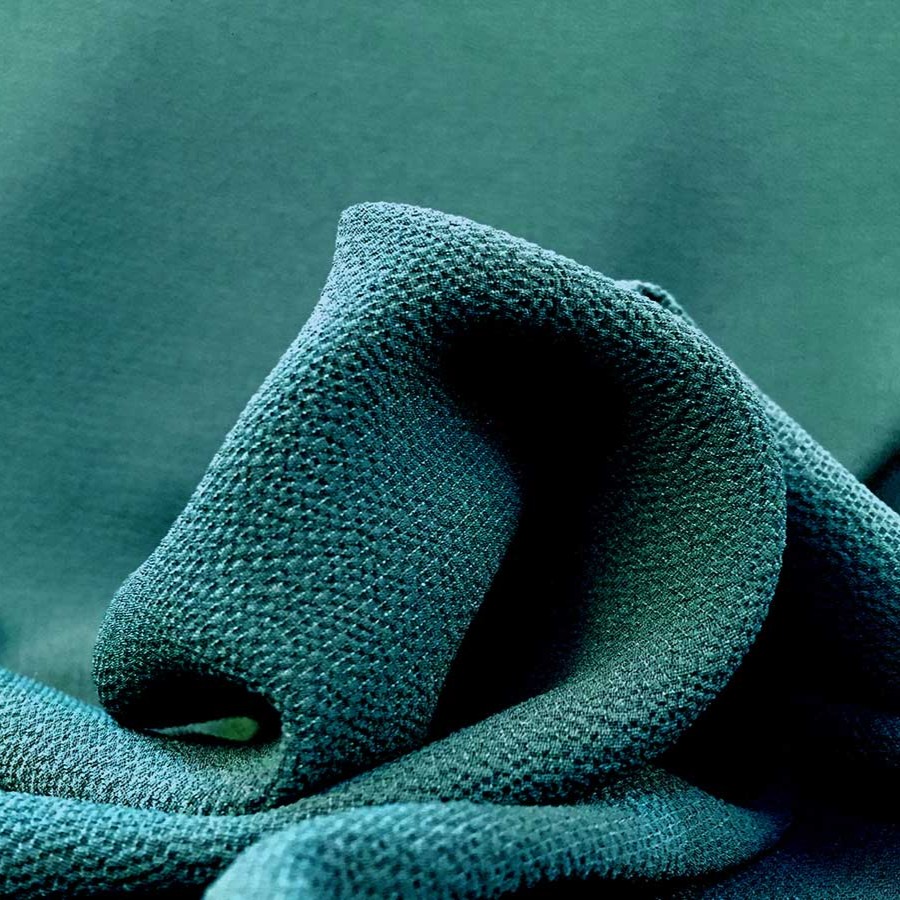
Industrial creping is a special technological process of surface treatment of fibers and textiles, the aim of which is to create a characteristic crepe (wrinkled, wavy) structure on the surface. In the production of synthetic fibers of artificial or natural origin, creping creates, for example, the wool character of these fibers. Creped fibers and textiles are known for their elasticity, softness, decorative appearance and often a pleasant touch. The result is a fabric with irregular stripes or waves on the surface, which are durable and resistant to further processing (washing, ironing). Creped textiles are used for the production of clothing (especially summer, casual and children's), home accessories, technical textiles and in special applications where elasticity and a decorative effect are desired.
Principle and technological processes of creping:
- Mechanical creping:
Creping can be performed mechanically, for example by squeezing, twisting or folding the textile during processing. In industrial practice, special rollers or devices are often used to create permanent waves or stripes on the surface of the fabric.
- Chemical creping:
In this process, chemicals (e.g. alkaline agents) are applied to selected parts of the fabric, which cause local contraction of the fibers and the formation of permanent wrinkles. This method is used mainly for cotton and viscose fabrics.
- Heat creping: In the case of synthetic materials (e.g. polyester), heat stabilization is used - the fabric is exposed to the effect of heat in a stretched or folded state, thereby fixing the desired crepe structure.
Technological aspects
Creping can be carried out at various stages of fiber or textile treatment before final shaping and drying
In the production of crepe fabrics, a distinction is made, for example, between warp and weft creping - depending on whether the effect is achieved by contraction of the warp or weft
It is important to correctly adjust the tension, temperature, pressure and other parameters during the process to achieve the desired structure and durability of the effect.
Show more