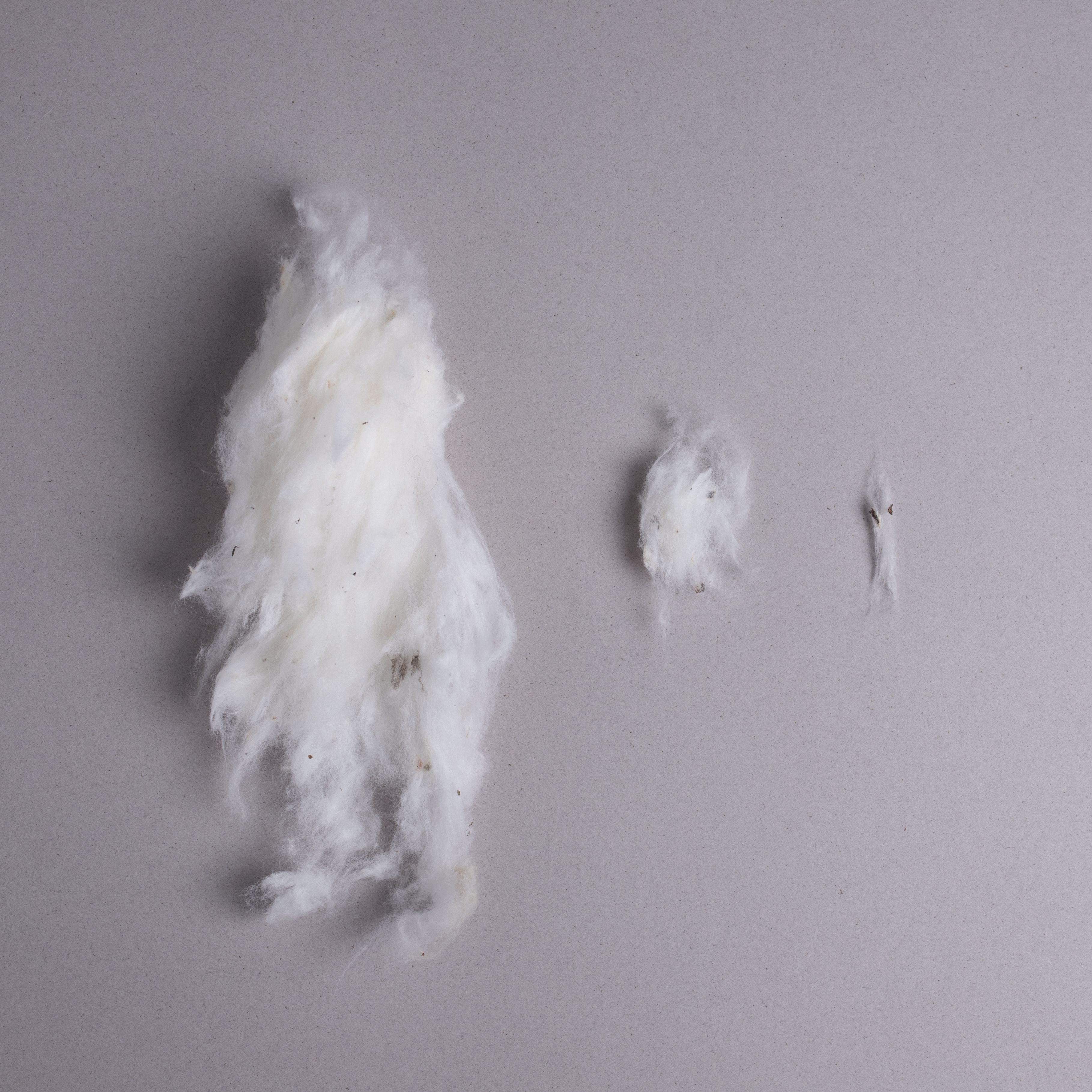
industrial textile recycling
Industrial textile recycling is a process that aims to reduce the amount of textile waste, extend the life of materials and minimize the environmental burden of the textile industry. This process includes the collection, sorting, processing and reuse of used textiles to produce new products or raw materials. In Slovakia, approximately 20% of textile waste is recycled, with the largest processor being SK-Tex. Thousands of tons of textiles are processed annually, which are mainly used for the production of insulation materials and technical products. The main stages of industrial textile recycling:
Collection and sorting: Used textiles are collected in collection centers and then sorted by material type, color and condition. Sorting is key, because most textile waste is made up of mixed materials that are difficult to recycle
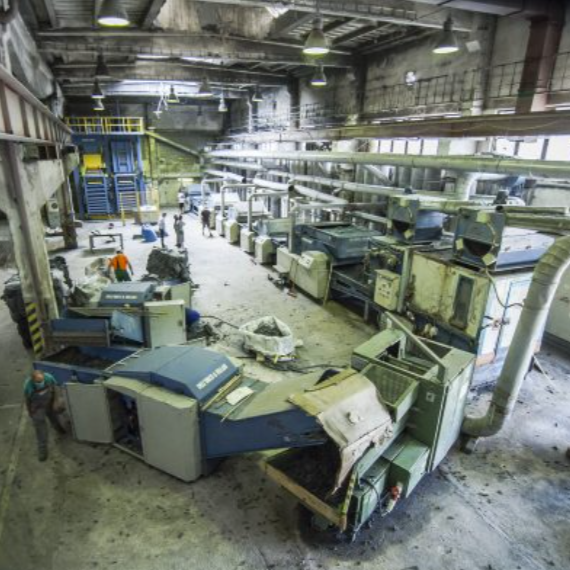
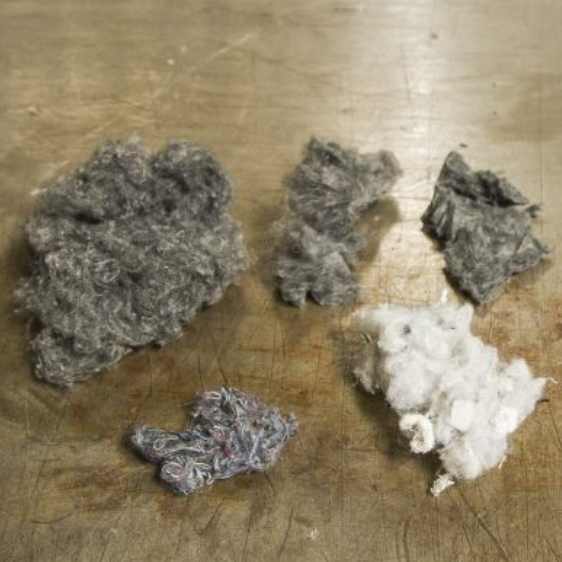
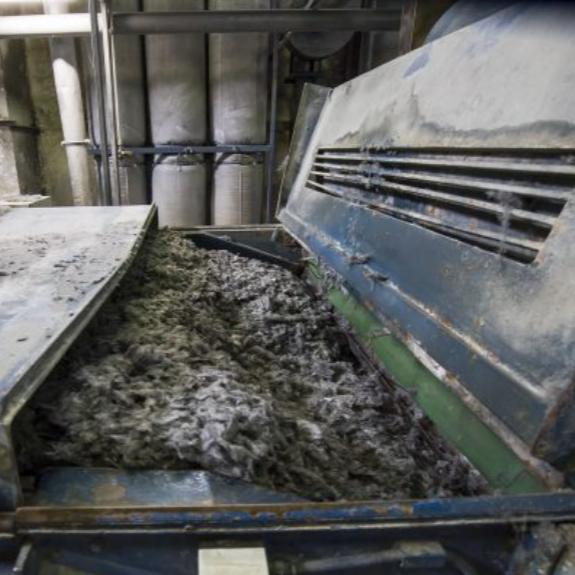
Mechanical recycling: Textiles are mechanically crushed and disintegrated into smaller pieces. The recovered fibres are used to produce new yarns, fabrics or technical products (e.g. seat padding, insulation materials, carpets). Mechanical recycling requires careful sorting by material and colour to avoid the need for further dyeing or bleaching
Chemical recycling: In this method, fibres are broken down into their basic chemical components (e.g. cellulose from cotton, polyester from PET), which are then reused to produce new synthetic or artificial fibres. New technologies also make it possible to break down mixed fabrics into their individual components, significantly increasing the efficiency of recycling
Production of new products: New textile products are made from recycled fibres – from clothing to home textiles to technical materials (e.g. insulation, retention boards, furniture and car fillings)
Challenges and innovations
Mixed materials:
The biggest challenge is recycling mixed textiles (e.g. cotton with elastane), which are difficult to separate. New technologies, for example those developed at Aarhus University, allow for efficient separation of individual fibers and increase the proportion of recycled textiles
Ecological significance:
Recycling textiles reduces the amount of waste in landfills, saves natural resources and reduces greenhouse gas emissions associated with the production of new textiles
Examples of the use of recycled textiles
Seat padding in the automotive and furniture industries, ECO insulation for construction, new yarns and fabrics for the production of clothing and home textiles, carpets, retention boards, technical textiles
Show more