nanotechnology
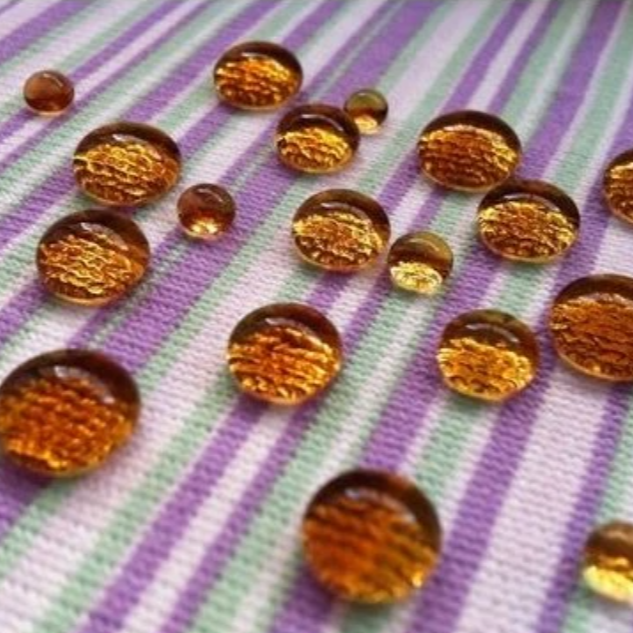
Nanotechnology is a scientific and industrial field that deals with the manipulation, development and use of materials and structures at the nanometer level (i.e. in dimensions smaller than 100 nanometers). At this level, substances acquire unique physical, chemical and biological properties that differ significantly from the properties of the same materials on a larger scale. Nanotechnology has brought new properties to textiles, such as hydrophobicity (water repellency), stain resistance, antibacterial effects, UV protection, increased wear resistance and self-cleaning capabilities. Textile protection is possible thanks to silicon nanoparticles (SiO2), which create an invisible barrier without changing the appearance and feel of the fabric. An example is the so-called "lotus effect" surfaces, where drops of water and dirt flow off the fabric without soaking in. The development of nanofibers (e.g. in cooperation with the Technical University of Liberec) enables the production of extremely fine and strong materials for filters, medical textiles or functional clothing. The Technical University of Liberec (TUL) is a leading European center for research, development and education in the field of nanotechnology. The university has a long tradition and world-renowned results in this field, mainly thanks to the development and industrial introduction of electrospinning technology for the production of nanofibers, led by Prof. Oldřich Jirsák.
Textile impregnation and protection: Nanotechnology preparations create an invisible protective film on the surface of the fibers that repels water, oils and other impurities (the so-called lotus flower effect). The textile becomes self-cleaning, resistant to stains, moisture, UV radiation and at the same time retains breathability.
Antibacterial and hygienic properties: Nanoparticles of silver or other metals are inserted directly into the fibers, ensuring long-term protection against bacteria, odor and mold. Textiles treated in this way are suitable for sports, medical and everyday use
Increased durability and functionality: Nanotechnologies increase mechanical resistance, breathability, the ability to wick away moisture and regulate temperature. The result is textiles with greater comfort and durability, which require less frequent washing and thus save water and energy.
Sustainability and recycling: Nanotreatments increase the value of recycled textiles (e.g. recycled viscose with nanotreatment), which thus acquire antibacterial, self-cleaning or other functional properties while saving natural resources.
Show more