Nettle fabric
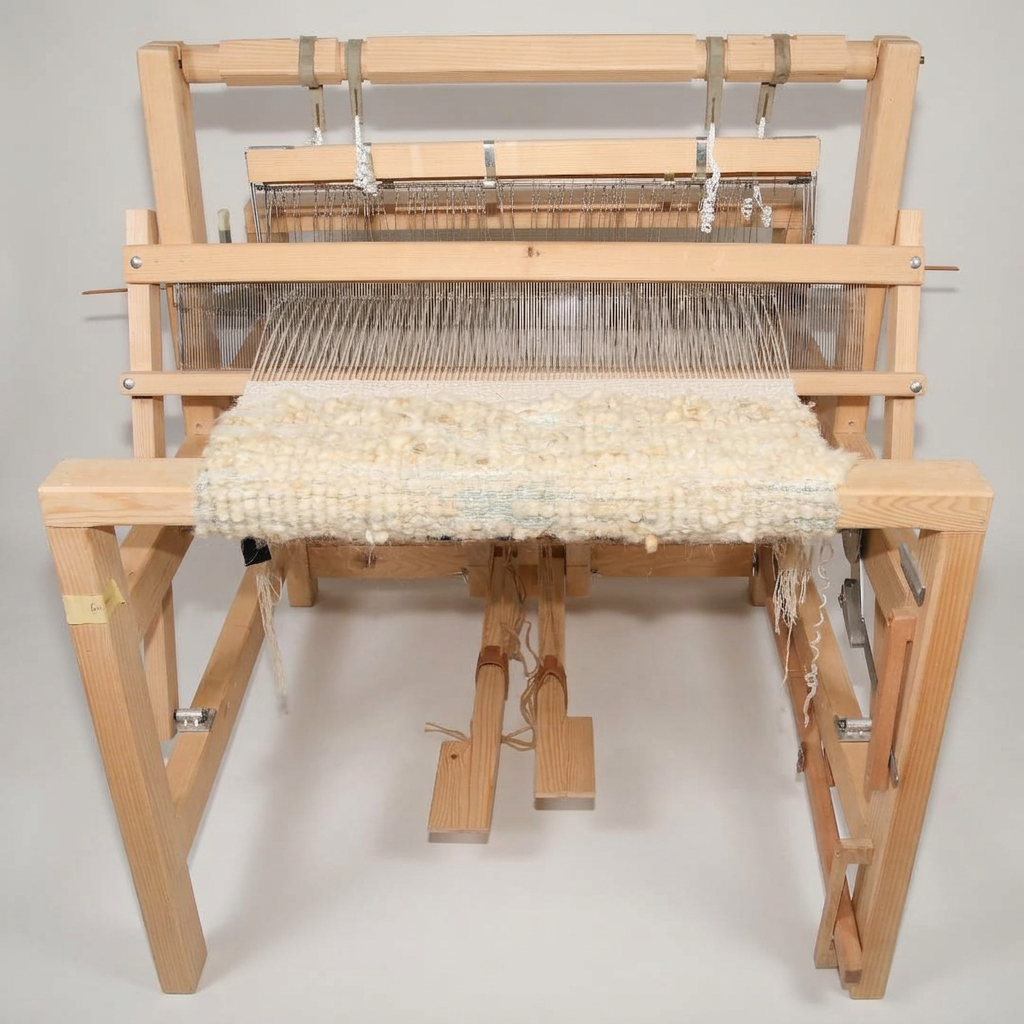
Nettle fabric is a textile material made from bast fibers of stinging nettle (Urtica dioica), which has historically been an important alternative to flax and hemp—especially in regions of Europe, Asia, and Russia. The earliest documented use dates back to the Bronze Age, when nettle fiber was used for making sails, ropes, textiles, and clothing. In the Middle Ages, it was one of the most accessible raw materials for small farmers due to its low cultivation requirements.
Processing involves harvesting mature stems, removing leaves, retting (soaking), drying, manual breaking and separating the fiber from the woody core (shives), followed by combing, softening, and spinning into yarn, which is most often woven in plain or twill weave. Nettle fiber is extremely strong, lightweight, smooth, with a natural matte sheen, high hygroscopicity, breathability, resistance to bacteria and mold, and is also highly suitable for people with allergies.
In the textile industry, nettle fabric is used for both traditional and modern clothing, accessories, technical textiles, rope products, eco-friendly packaging, and decorations. In recent years, it has been gaining renewed attention in ecological design and sustainable fashion. The advantages of nettle fabric include its full ecological sustainability, local availability, and non-toxic nature; its disadvantages are higher labor intensity and insufficient technological infrastructure for large-scale processing.
Show more