industrial tufting
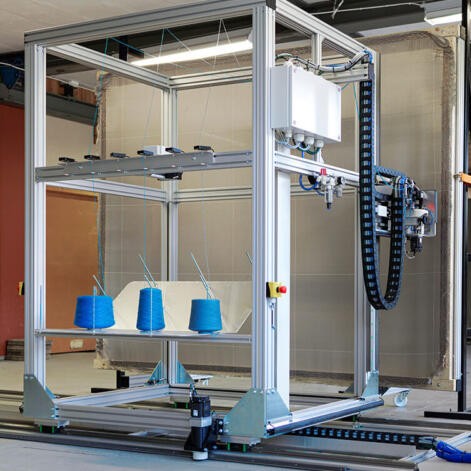
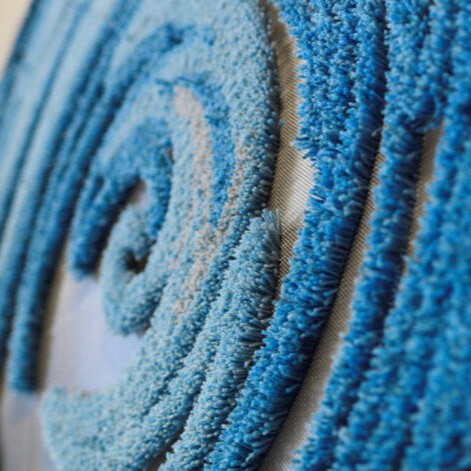
Industrial tufting is a modern textile technology in which yarn (most often wool, polyester, polyamide, cotton or their mixtures) is pressed into the base fabric (the so-called tufting fabric) using special machines or robotic devices. The result is the creation of loops or cut pile, which form the surface of carpets, upholstery, artificial grass and other textile products. Modern machines allow for variable pile height, quick change between loop and cut effect and the use of multiple types of yarn at once. The most common use of tufting is in the industrial production of carpets and rugs, where it allows for fast, efficient and variable production with the possibility of complex patterns and color combinations
Principle and technological process
- Material preparation
The yarn is wound onto bobbins and prepared according to the desired pattern and color. A strong, loosely woven tufted fabric (e.g., so-called monk's cloth) is used as the base, which allows easy insertion of the yarn. Tufting (yarn insertion) - A special machine or robotic tufting head (tufting gun, tufting robot) presses the yarn through the base fabric and creates loops or cut pile.
There are two basic techniques:
Loop tufting (loop pile): The yarn remains in the form of loops on the surface of the fabric.
Cut tufting (cut pile): The loops are directly on the machine or subsequently cut, creating a soft, pile surface
Fixing and finishing
After tufting, a latex or other fixing coating is applied to the back side, which fixes the yarn in the fabric and ensures the stability of the product. After drying, another base layer can be glued to the back side for greater strength and anti-slip properties. The carpet surface is cut, trimmed and cleaned as needed (e.g. with electric trimmers). The product undergoes a final quality check and cleaning before packaging and shipping.
Uses
Artistic and decorative textiles: Tufting is also used to produce cushions, covers, curtains, artwork and upholstery
Artificial grass and technical textiles: Modern tufting machines also produce artificial grass for sports fields and gardens
Technological innovations
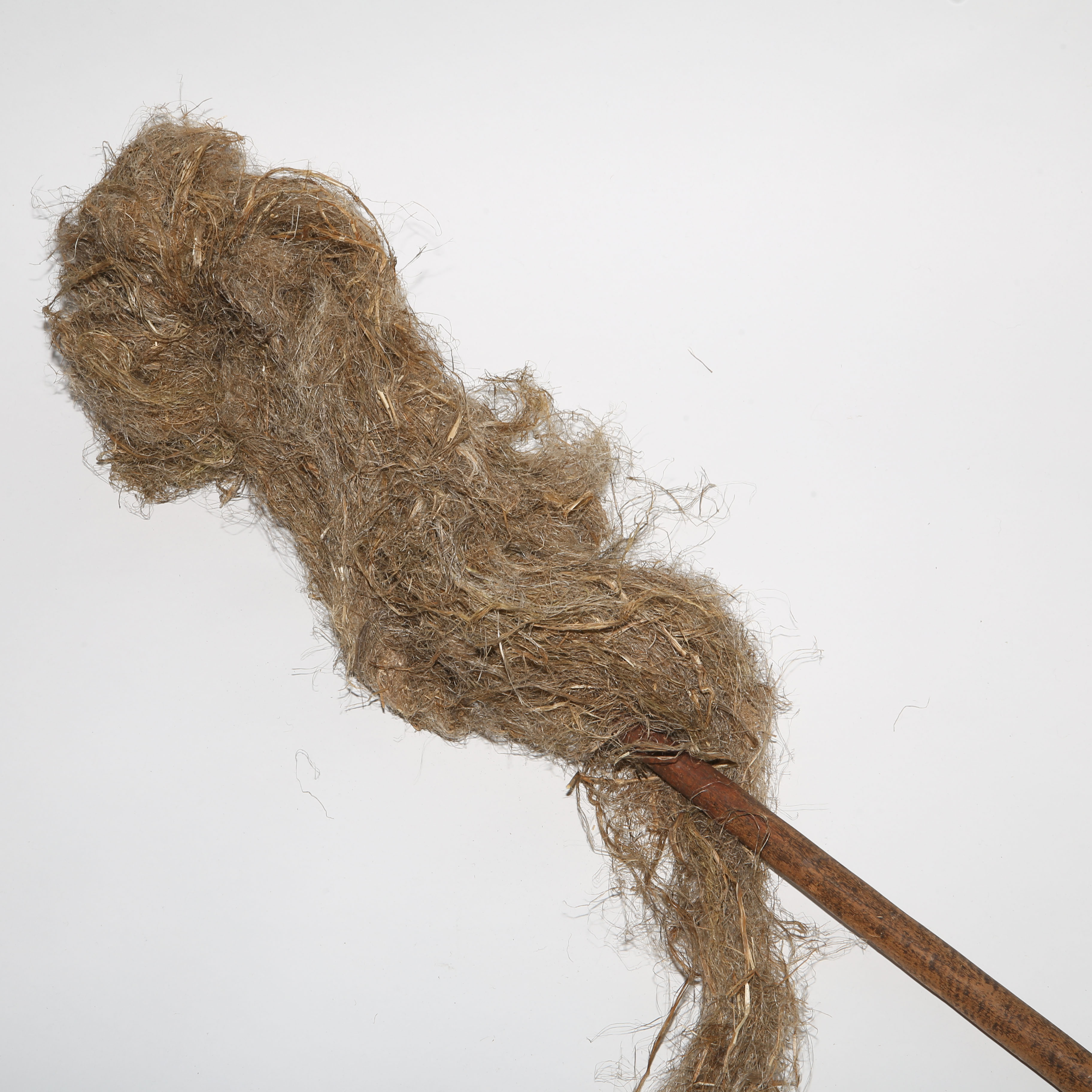
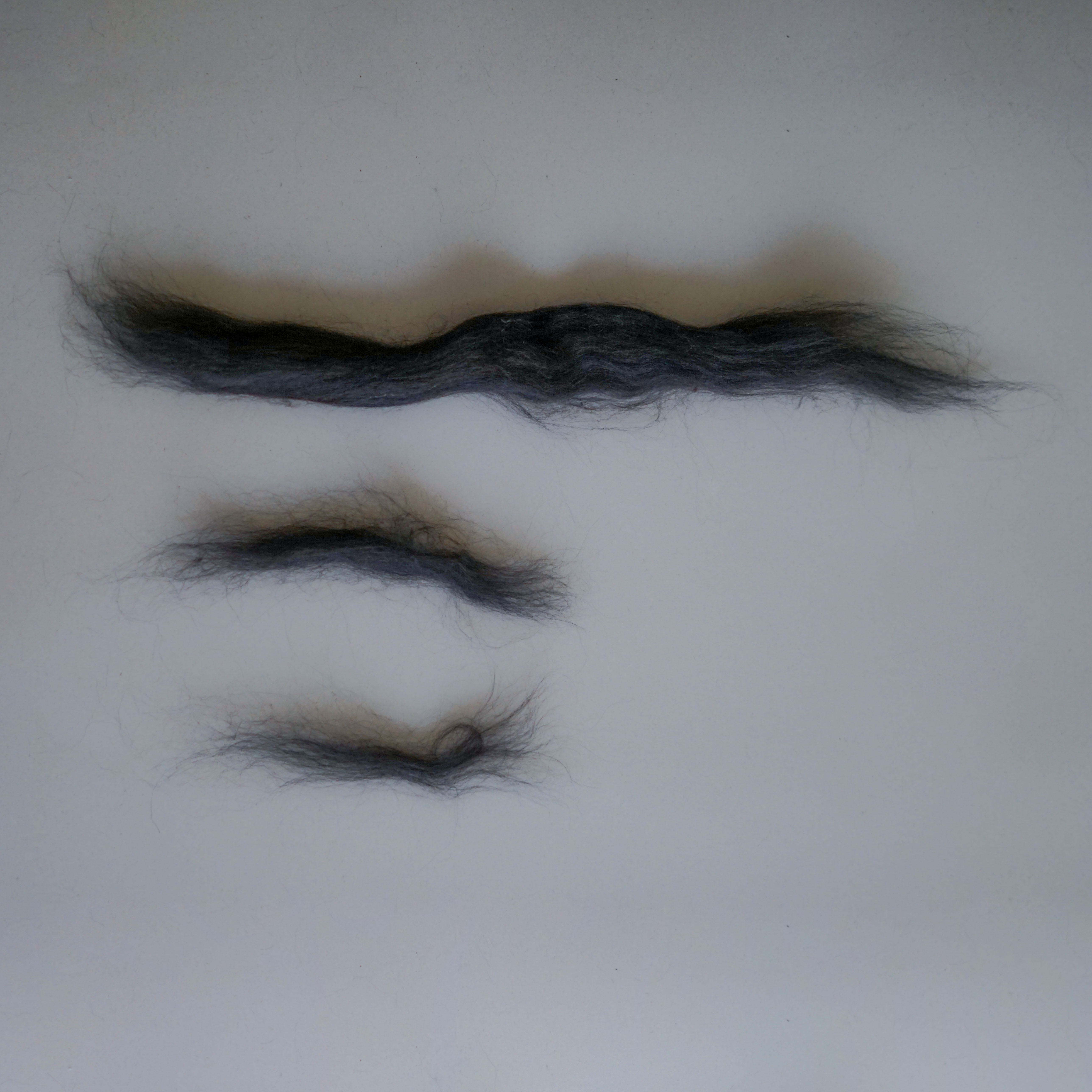
Robotics and automation: The latest robotic tufting machines allow for rapid changes in patterns, pile heights and yarn types, increasing production flexibility and efficiency. Digital design: The machines are linked to CAD software for carpet design, which allows for the rapid and accurate realization of even very complex designs. Wide range of materials: In addition to wool, synthetic and vegetable fibers are also used according to the requirements for the appearance, durability and price of the product.
Show more