ePrivacy and GPDR Cookie Consent by TermsFeed Generator

Tow

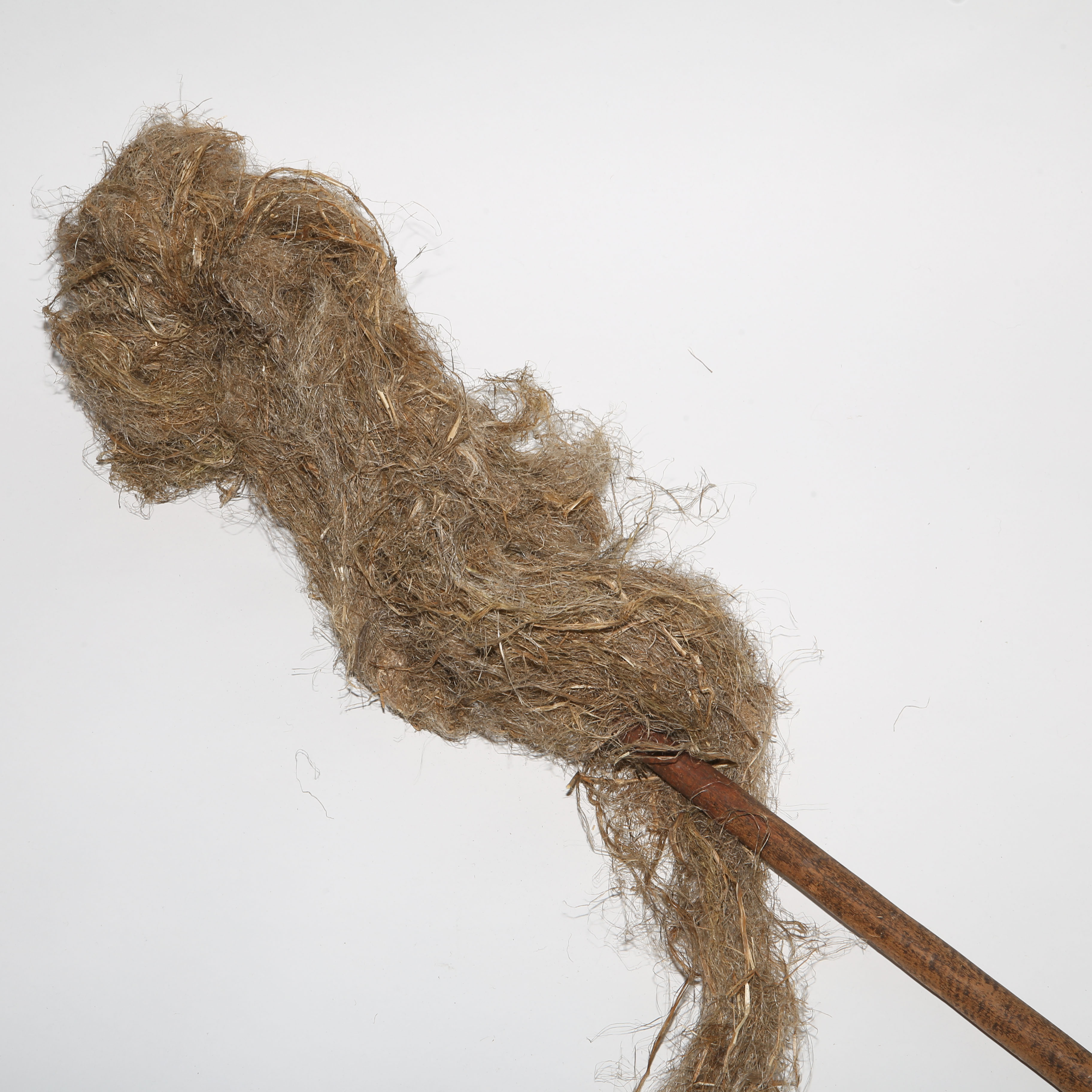
Types of Tow The stalks of spinnable flax contain on average less than 20% textile fibres. More than half of these fibres can be processed into yarn (line flax). A smaller portion, about 7% of the stalk mass, consists of tow (for example, in 2021 this corresponded to approximately 27,000 tonnes). Tow is obtained from: short flax fibres (up to 50 cm), tangled fibres of normal length, or fibres that fall away together with shives during the hackling process when flax is prepared for spinning. The production of tow from scutched and hackled hemp was recorded in 2021 at approximately 287 × 10³ tonnes. At the beginning of the 20th century, jute yarns were produced from jute tow or carded fibres. However, in the 21st century the term tow is no longer commonly used in jute processing. Fibre waste (approximately 10–12% of total jute production) is instead used, for example, in fibre-reinforced composites and needle-punched textiles. Tow from sisal fibres consists of fibres that fall away from the leaves during the decortication process. Its share is estimated at around 7% of the total fibre yield. According to information from the late 20th century, Cuban and African tow were distinguished as separate categories from sisal tow.
Show more

Gallery

Organizations Show more

Organization name Detail

About the material

Phase Phase 2, Phase 1
Origin Plant-based
Material group
Material type fiber
Material specification flax, hemp
Text source https://cs.wikipedia.org/wiki/Koudel
Traditional / Innovative traditional
Sustainability Yes
Sustainability description
Fiber color
Properties - fineness
Properties - length
Properties - strength
Properties - elasticity
Properties - elongation and fiber density
Other properties
Processing techniques related to this material
Processing - description
Institution to contact
Open-air museum
Museum
Literature used

Technologies

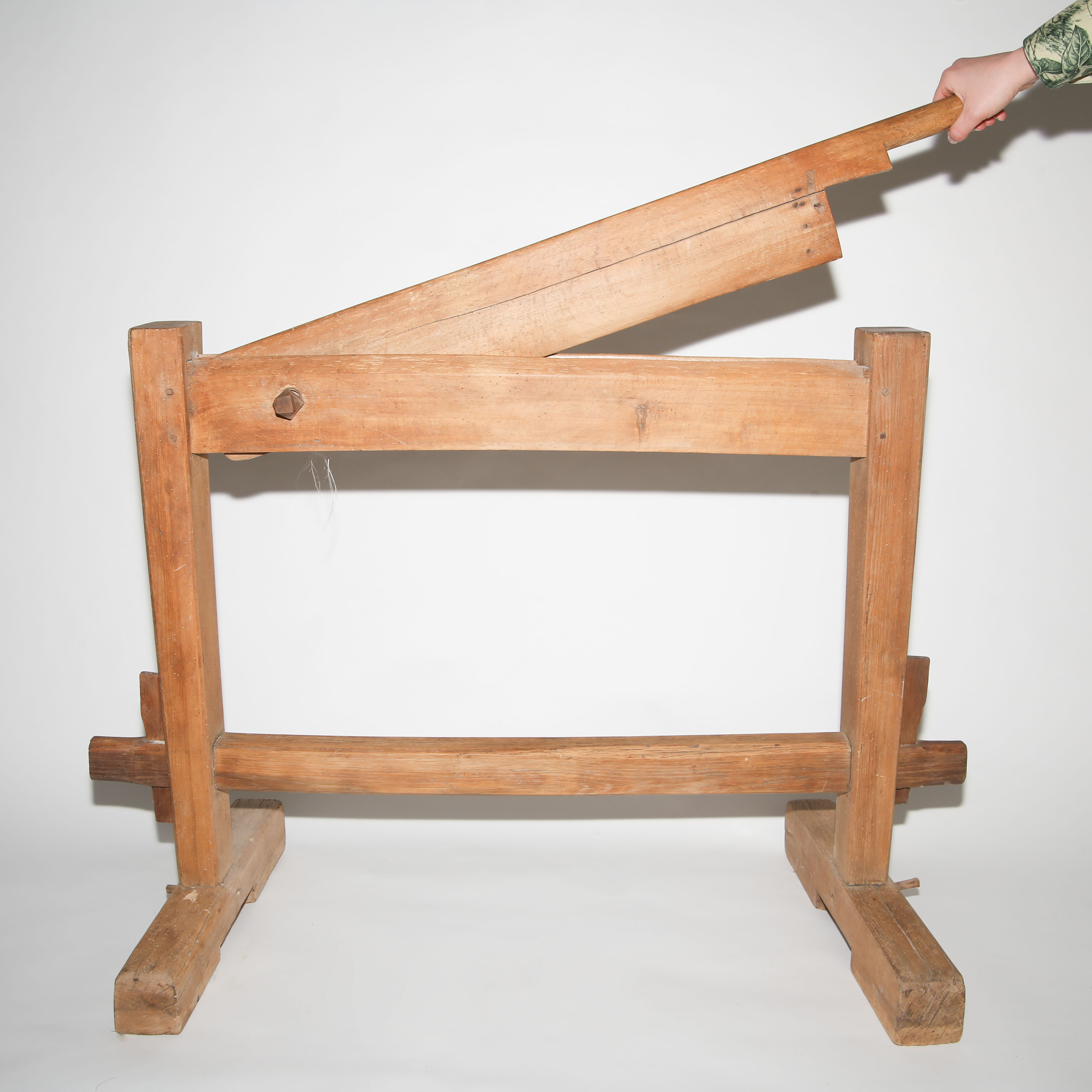
  • industrial combing

    Industrial combing of fibers (e.g. wool, cotton) using machines that clean, straighten, and prepare them for further processing.

    Read more

  • industrial decortication

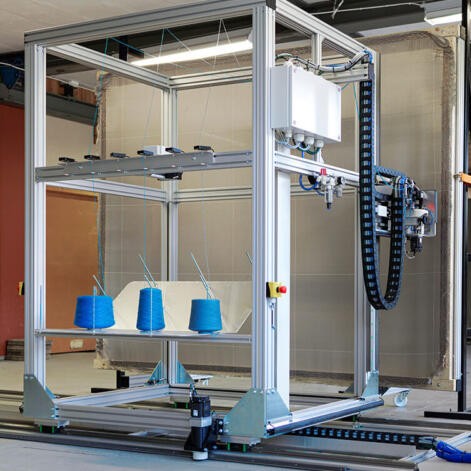
    Decortication line is an industrial processing system designed for the treatment of plant stems in order to separate fibers and hurd from bast...

    Read more

  • spinning

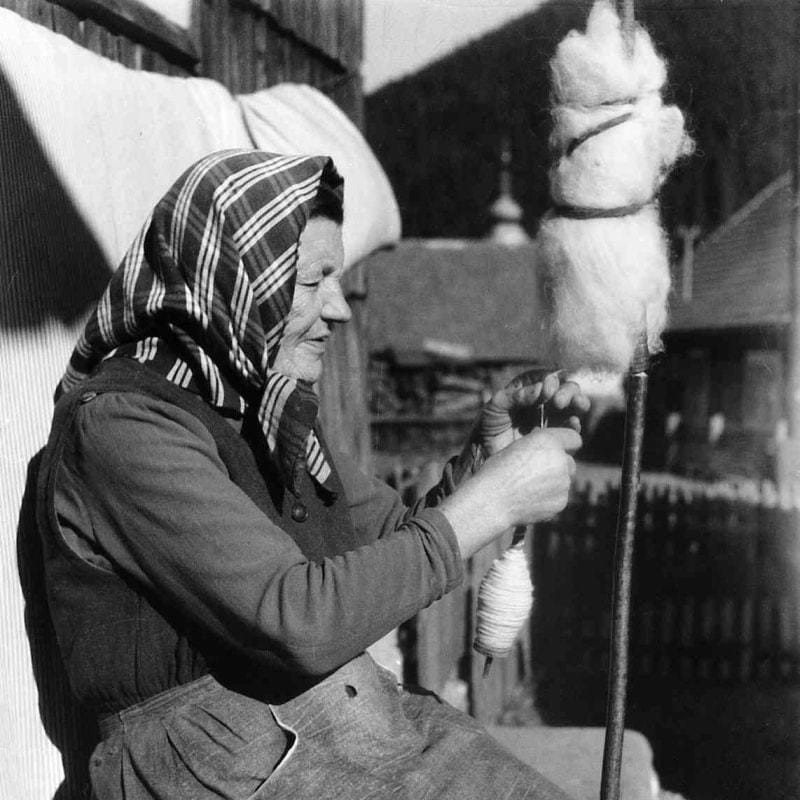
    Manual spinning is a traditional textile technology in which loose fibers are drawn out, aligned, and twisted into a continuous thread. The process...

    Read more

Táto fáza projektu Knižnica lokálnych textilných materiálov bola podporená Fondom na podporu umenia.
This phase of the project Library of Local Textile Materials was supported by the Slovak Arts Council.

Let's start working together

Whether you're a designer, manufacturer, or company, we help you innovate and create more sustainable products.

Sign up

You are contacting us:

The product has been successfully added to the shopping cart

Login