ePrivacy and GPDR Cookie Consent by TermsFeed Generator

Merino d'arles

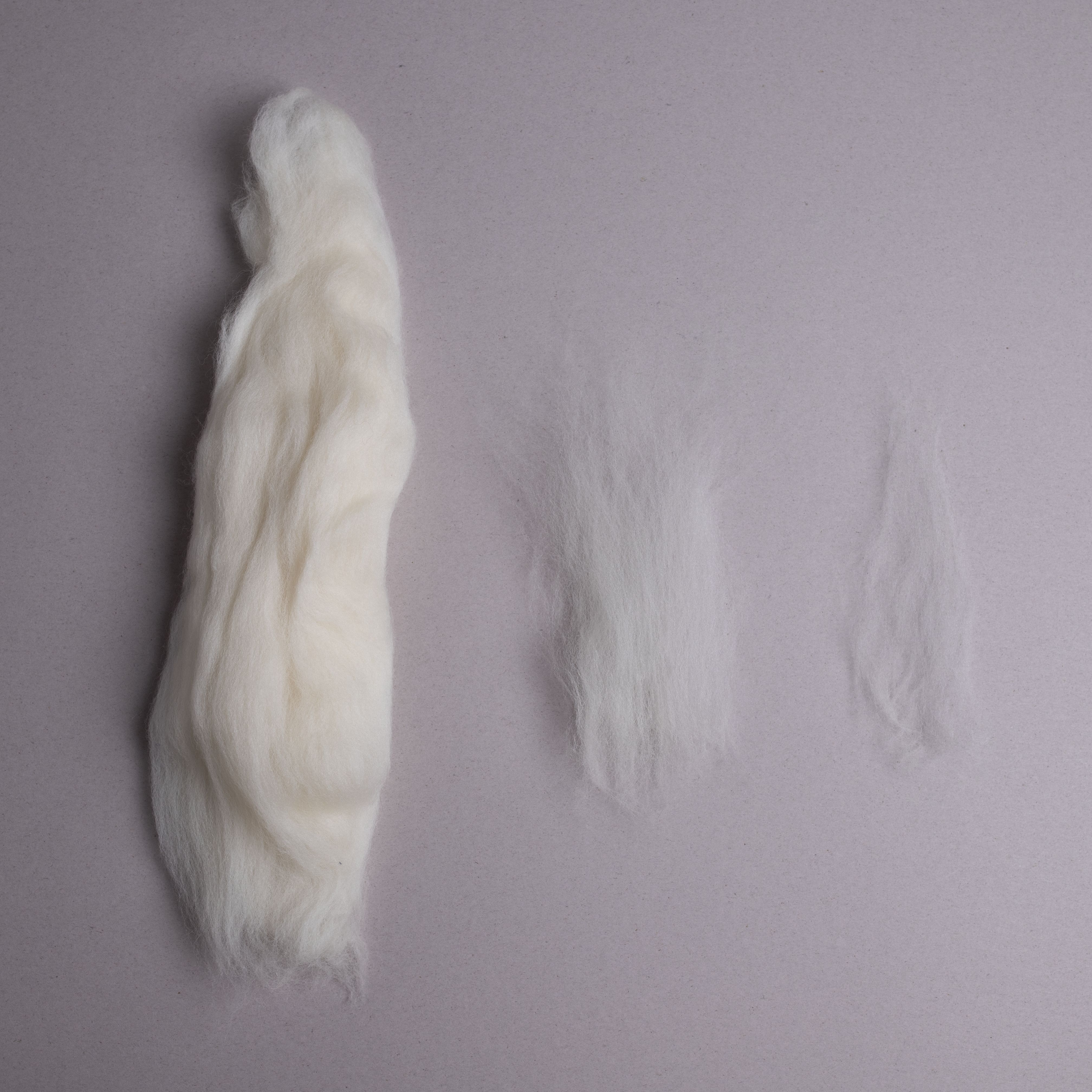
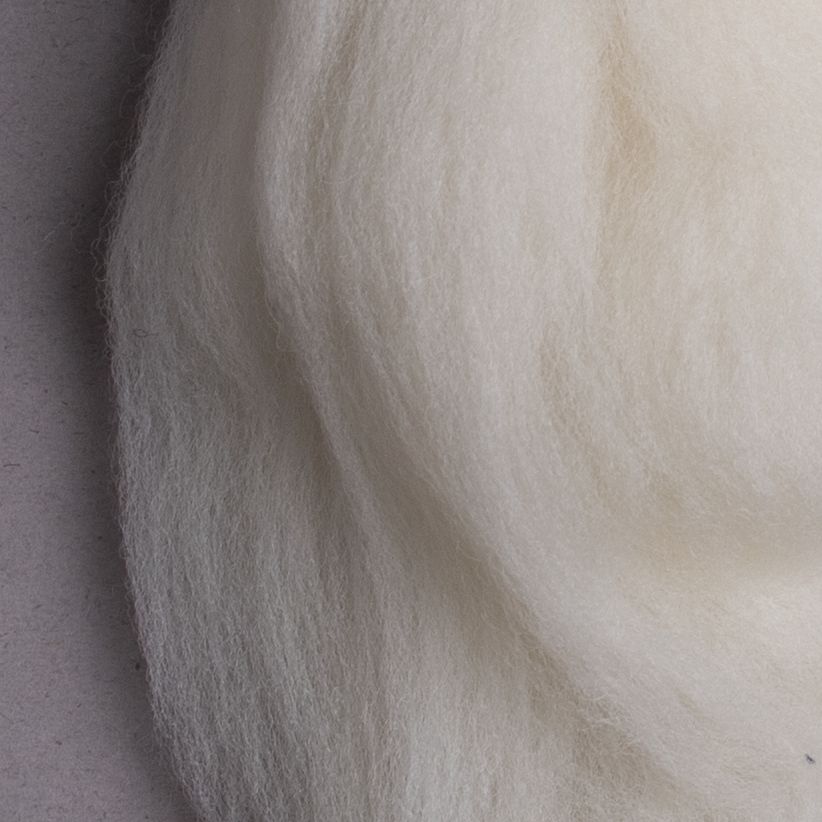
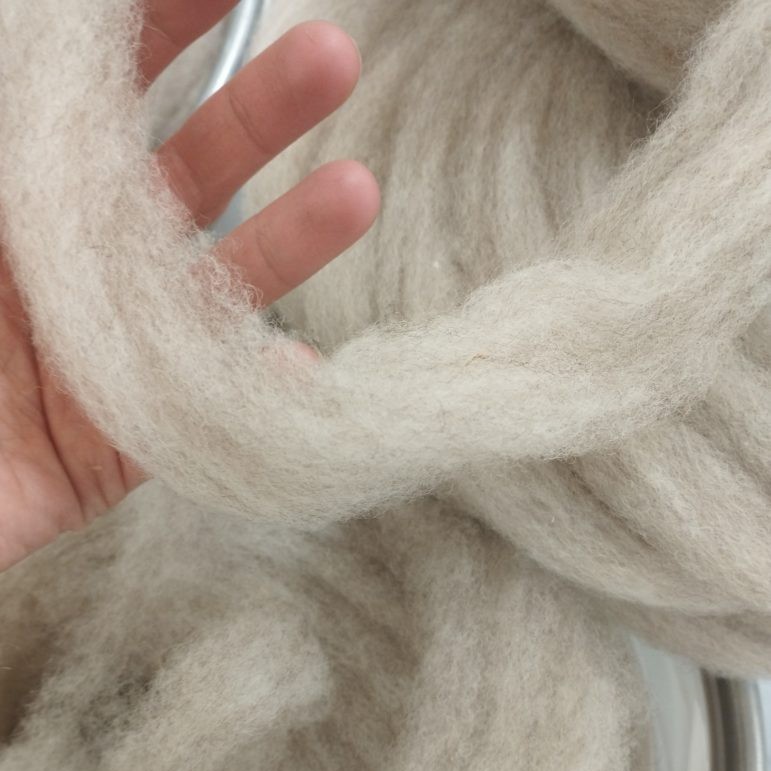
A traditional sheep breed from southern France (especially the Provence and Crau regions), developed in the early 19th century by crossing local sheep with Spanish Merino. In the 18th and 19th centuries, Merino sheep began to spread to other countries, especially South Africa, Australia, and New Zealand. Today, Australia and New Zealand are the largest producers of Merino wool in the world. Thanks to its crimped structure, the wool is very lightweight and forms bulky, airy yarns. It is naturally resistant to odours, absorbs moisture without feeling wet, and is antibacterial and thermoregulating.
Show more


Gallery

Organizations Show more

Organization name Detail

About the material

Phase Phase 1
Origin Animal
Material group
Material type fiber
Material specification
Text source https://www.unborn.co/blogs/the-chronicles/merino-darles-a-circular-design-journey
Traditional / Innovative traditional
Sustainability Yes
Sustainability description biodegradable
Fiber color beige
Properties - fineness 20–21,5 μm
Properties - length 5–7 cm
Properties - strength
Properties - elasticity
Properties - elongation and fiber density
Other properties Naturally odour-resistant, absorbs moisture without feeling wet, and is antibacterial and thermoregulatory.
Processing techniques related to this material
Processing - description
Institution to contact
Open-air museum
Museum
Literature used

Technologies

Táto fáza projektu Knižnica lokálnych textilných materiálov bola podporená Fondom na podporu umenia.
This phase of the project Library of Local Textile Materials was supported by the Slovak Arts Council.

Let's start working together

Whether you're a designer, manufacturer, or company, we help you innovate and create more sustainable products.

Sign up

You are contacting us:

The product has been successfully added to the shopping cart

Login