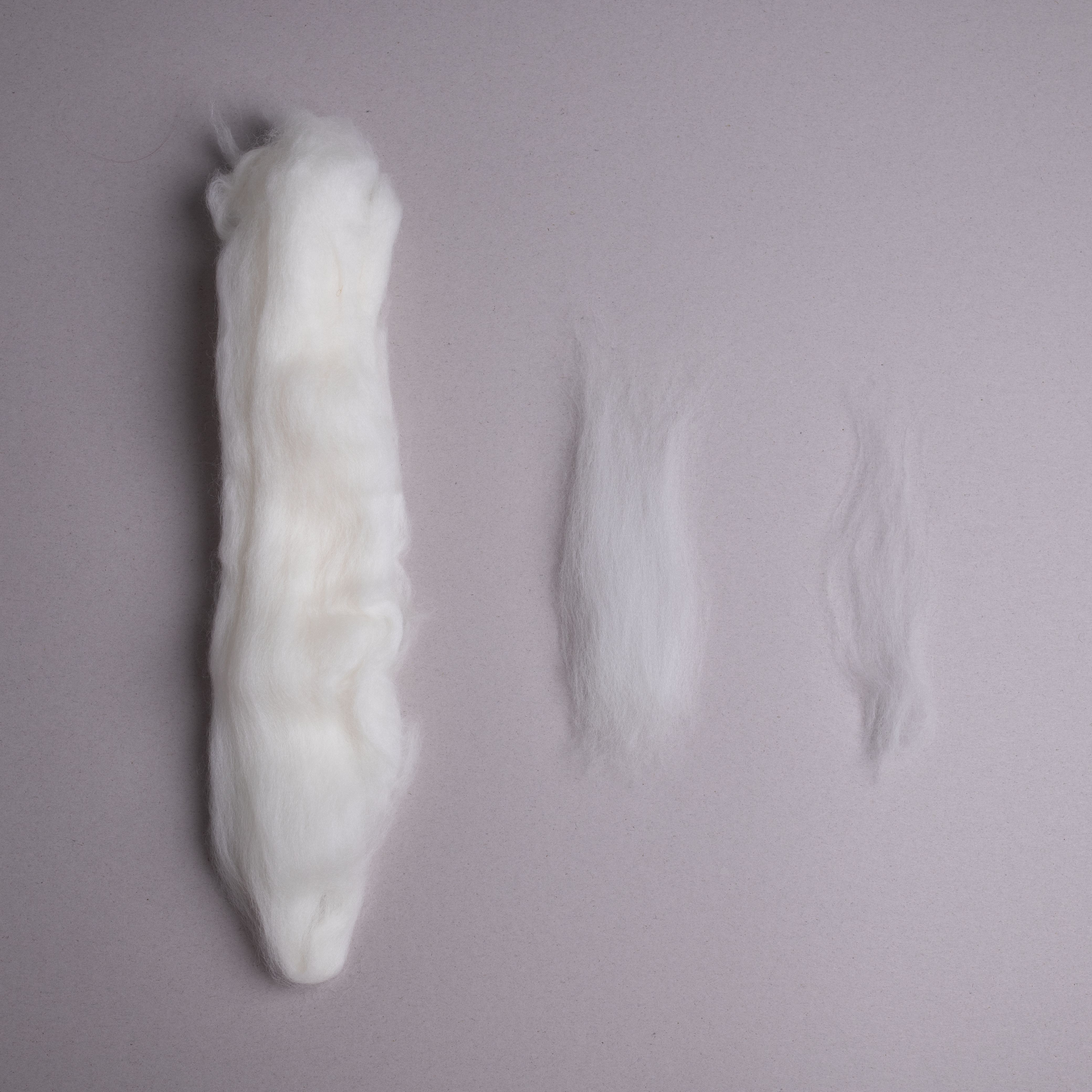
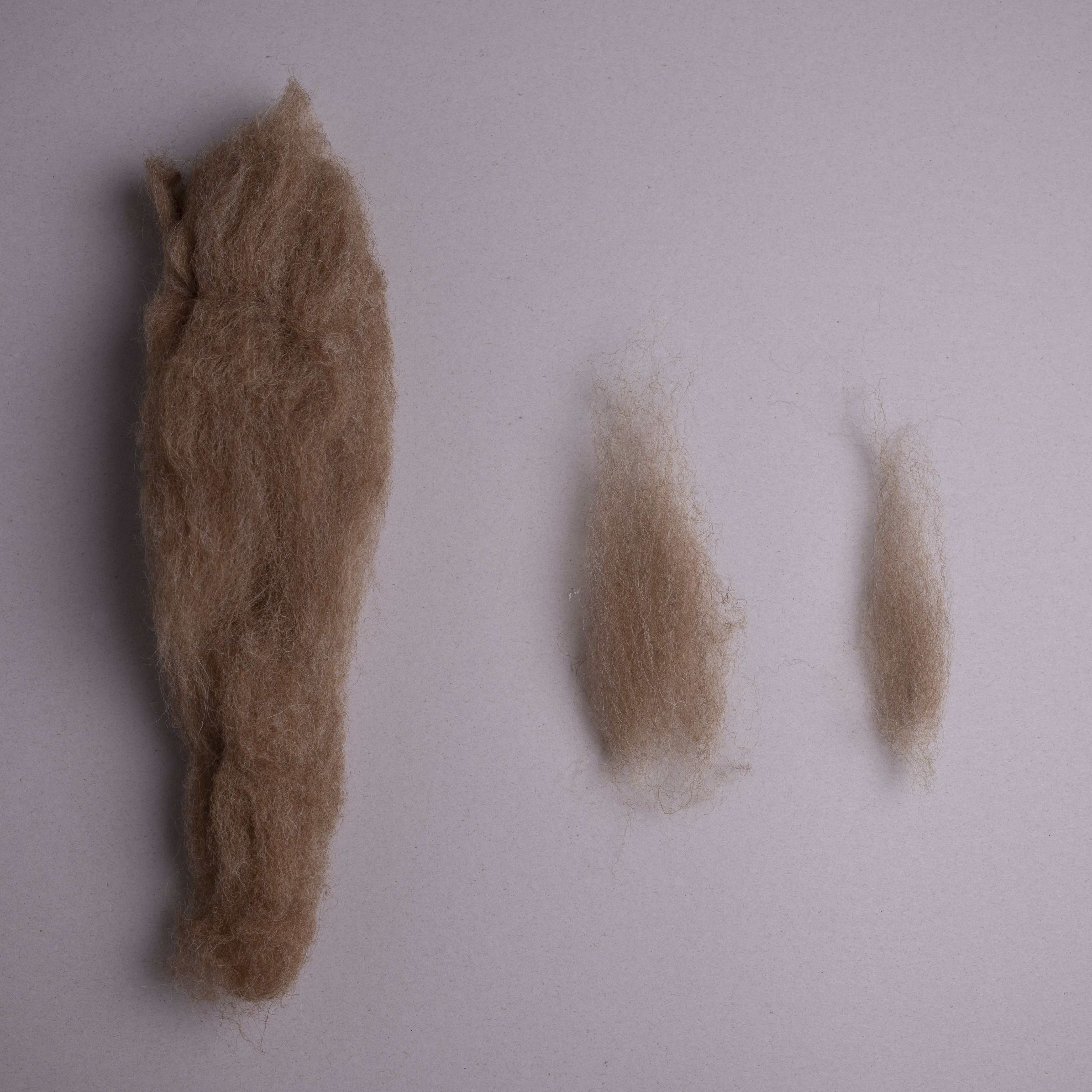
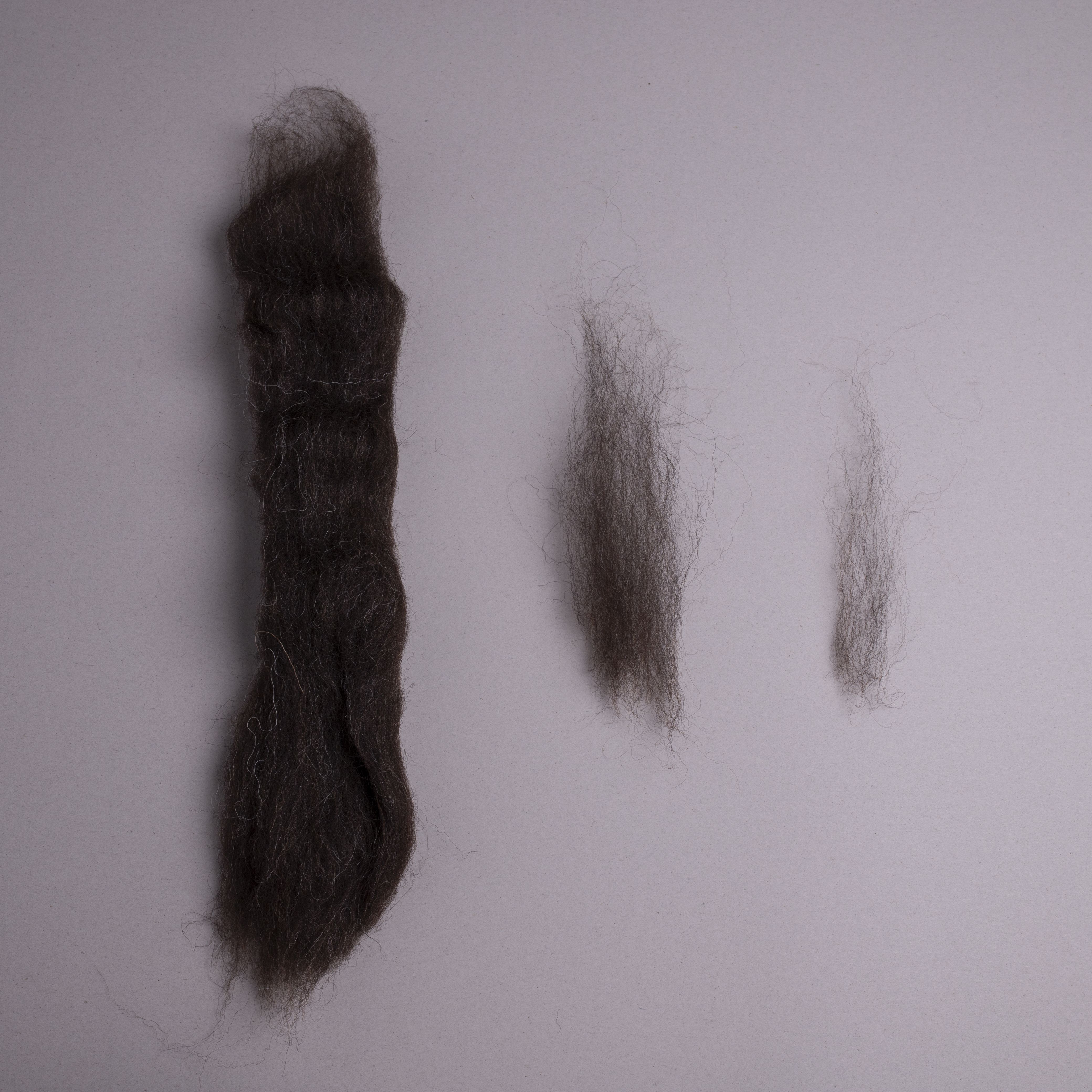
industrial bleaching
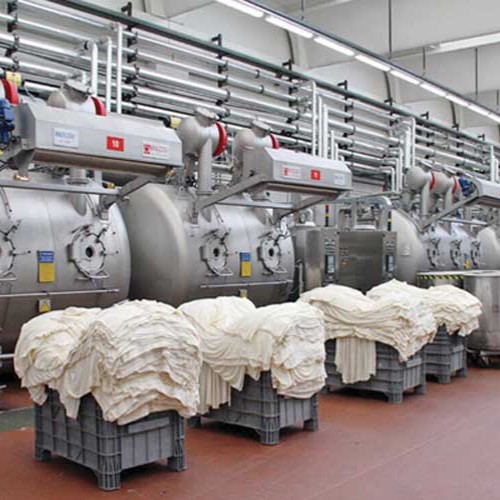
Industrial bleaching is a technological process of removing natural color, impurities and residues from textile fibers (cotton, linen, wool, synthetic materials) using chemical or physical methods. The goal is to achieve the desired level of whiteness and prepare the material for further processing (dyeing, printing).
Main stages and methods of bleaching
Pre-treatment of fibers:
Includes washing, degreasing and removal of natural impurities (e.g. waxes from cotton or lignin from linen). This stage increases the effectiveness of the bleaching itself and is carried out with alkaline solutions with the addition of wetting agents
Bleaching with chemical agents:
- Cotton and cellulose fibers: Sodium hypochlorite (NaClO₂) is most often used, which removes yellow pigments and achieves high whiteness. The process takes place at a temperature of 80–95 °C and requires pH control with hydrochloric acid (HCl) to neutralize alkaline residues
- Wool: Due to the sensitivity of the fibers to aggressive agents, a milder hydrogen peroxide (H₂O₂) is used in an alkaline environment. This method also prevents damage to the fiber
Synthetic fibers (polyester, polyamide): Bleaching is often combined with thermal processes, with the application of reducing or oxidizing agents.
Neutralization and washing:
Bleaching is followed by a thorough washing to remove chemical residues and stabilize the pH of the fibers. In the case of hydrogen peroxide, the washing is carried out with the addition of chelating agents that bind metal ions and prevent the formation of yellow tones
Specialized techniques
Mercerization (for cotton): Combined with bleaching - the fibers are treated with a concentrated solution of sodium hydroxide (NaOH), which increases their shine, strength and ability to accept dye
Carbonization (for wool): Removes plant impurities using sulfuric acid (H₂SO₄) before the actual bleaching. After carbonization, the fibers are neutralized with sodium acetate
Environmental aspects
Modern bleaching focuses on reducing water and chemical consumption. Ecological alternatives include the use of enzymes (e.g. peroxidases) or ozone, which minimize toxic wastewater.
Show more


.jpg)