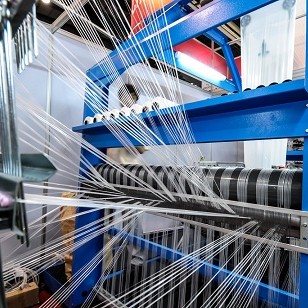
industrial weaving
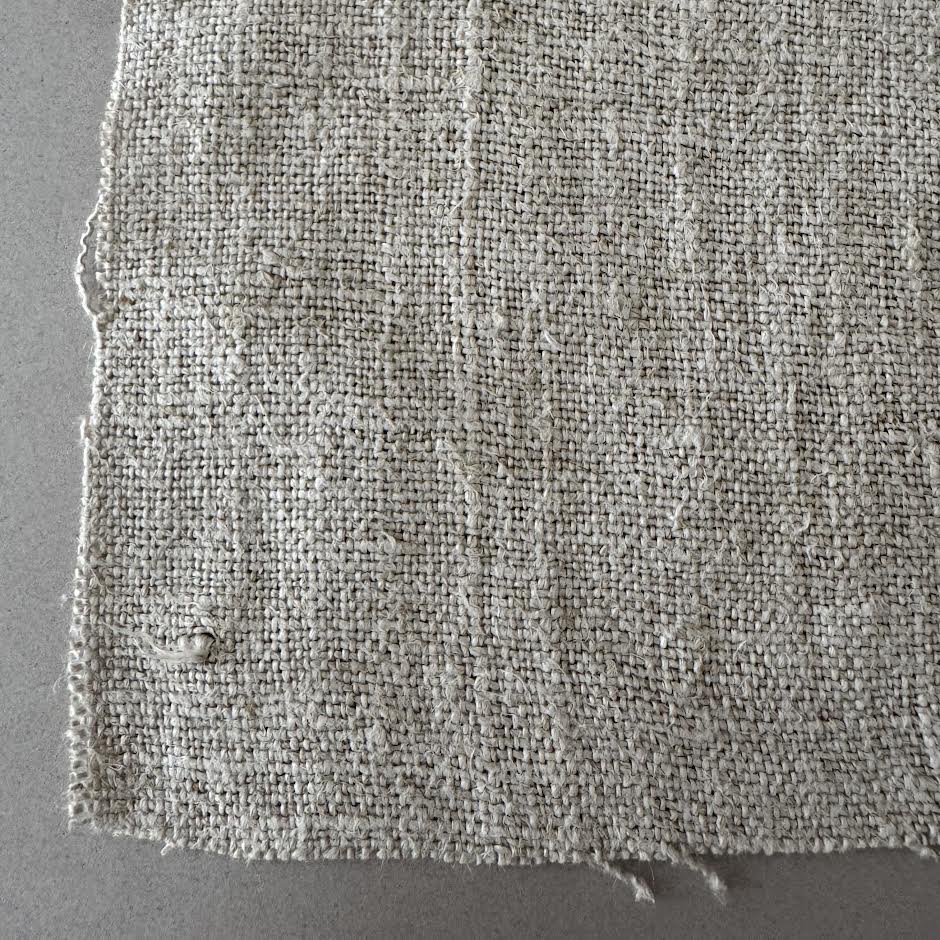
Industrial weaving is a technological process for fabric production in which two sets of yarns – warp (longitudinal threads) and weft (transverse threads) – are regularly interwoven at right angles on weaving machines (looms). This process is the basis for the production of most textiles used in the clothing, home and technical textile industries. Basic principles and stages of industrial weaving
Preparation of warp and weft:
- Before weaving itself, the yarns are prepared – the warp is wound onto a warp cylinder and the weft yarn onto bobbins. The yarn must be strong and uniform enough to withstand mechanical stress during weaving
- Weaving on a loom: Modern weaving machines (looms) are automated devices that ensure:Creation of a shed: Selected warp threads are lifted and create an opening (shed) through which the weft thread passes.
Weft insertion: The weft thread is inserted through the shed using a shuttle or modern systems (air, water, rapier, projectile mechanism)
Weft nailing: The added weft thread is pressed against the already woven fabric strip using a pressing mechanism (brdo).
Fabric winding: The finished fabric is continuously wound onto a textile cylinder.
Types of weaves:
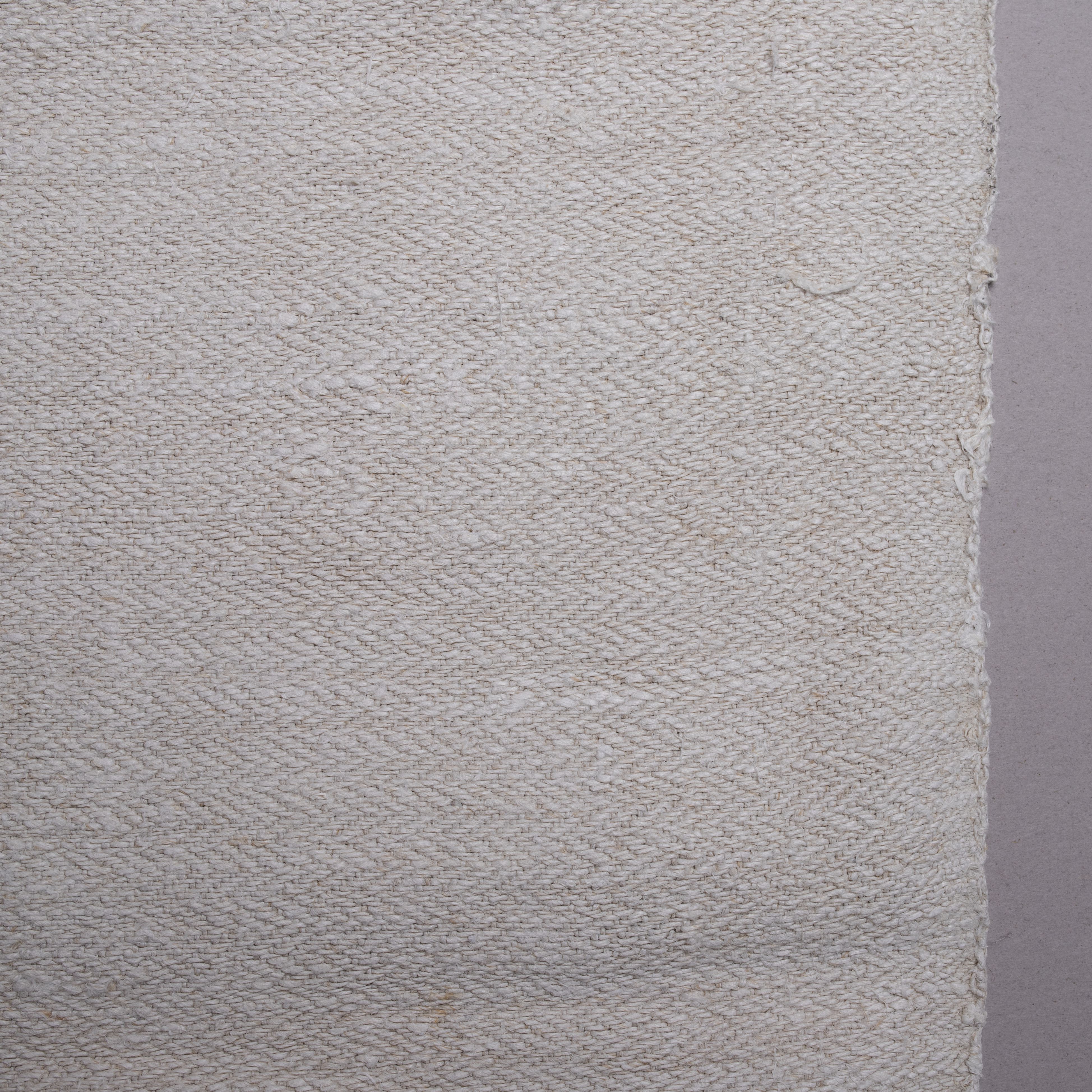
The basic weaves of fabrics are plain, twill and satin, and their combination creates derived weaves with various structures and patterns.
Show more