ePrivacy and GPDR Cookie Consent by TermsFeed Generator

Cheviot/ Blackface

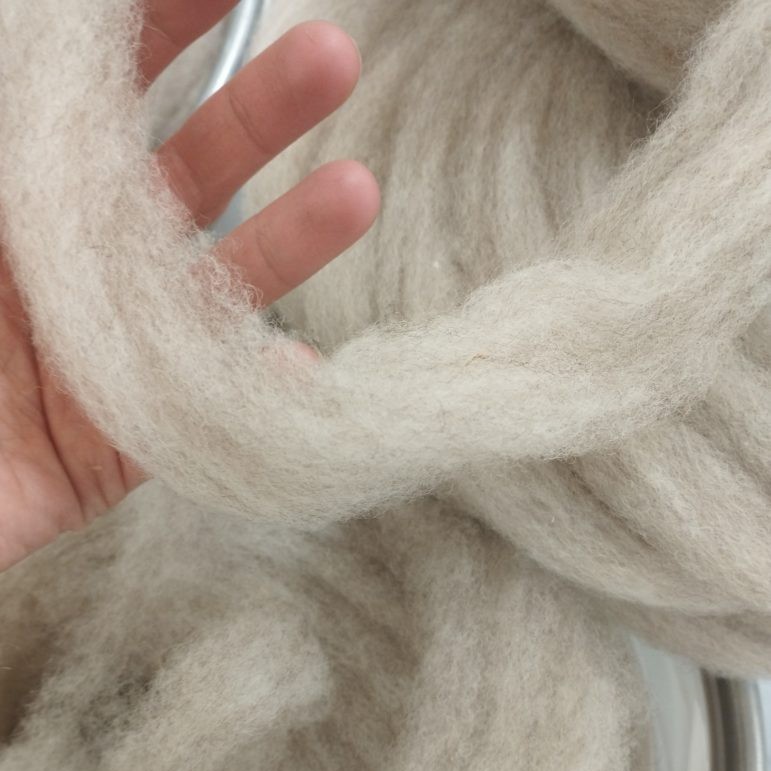
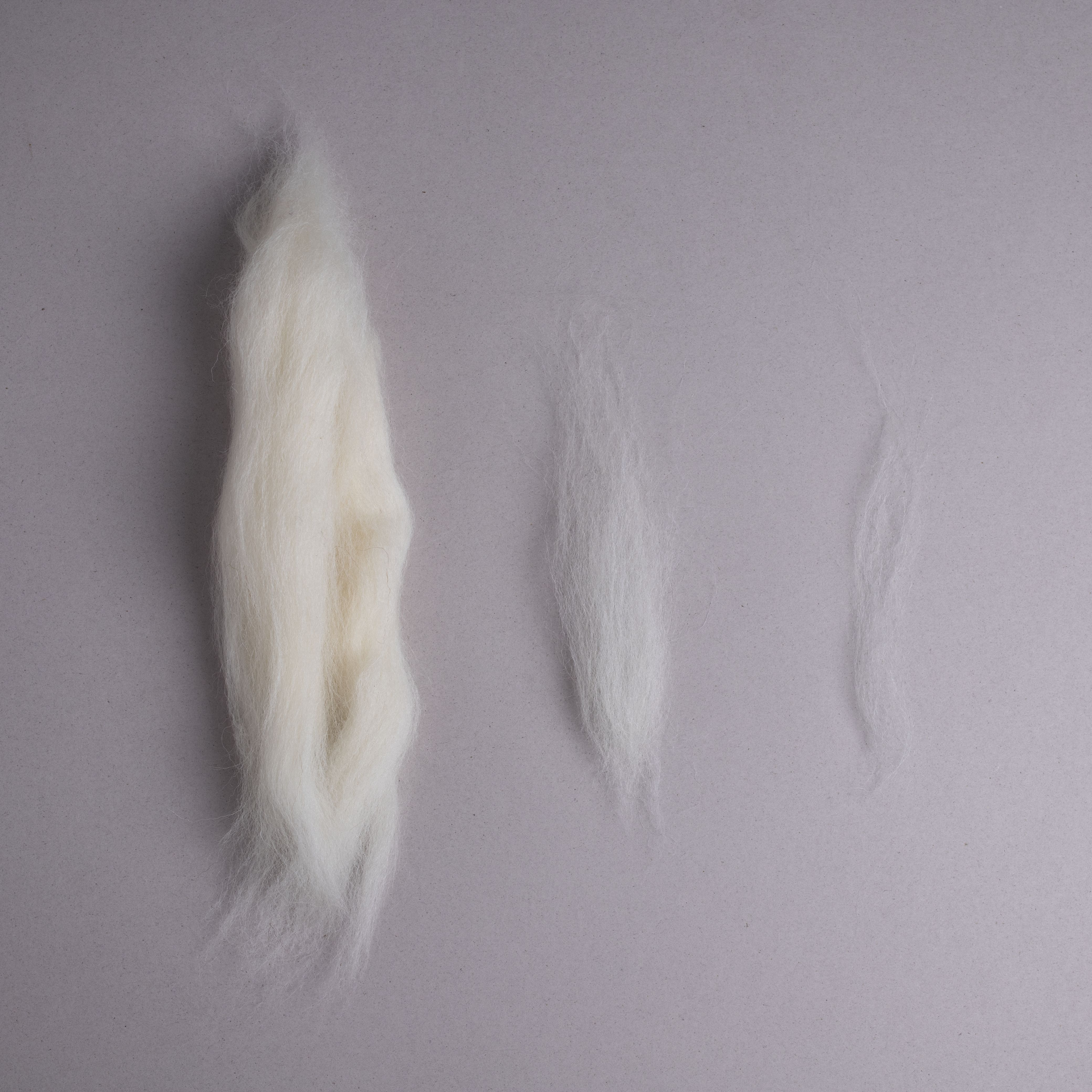
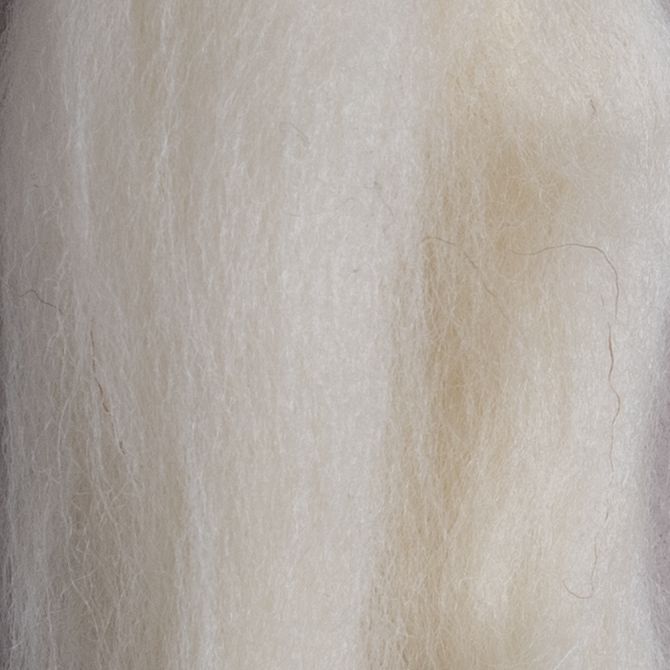
They are traditional British sheep breeds originating from the border regions of England and Scotland, and their wool is often blended to achieve specific properties. Cheviot produces a medium-coarse, very resilient fibre with good resistance to moisture and weather conditions. Blackface produces a coarser fibre that is highly durable, with strong resilience and excellent insulating properties. By blending them, the elasticity, durability, and “loftiness” of Cheviot wool are combined with the coarseness and toughness of Blackface wool. The resulting wool is mainly used for producing Scottish fabrics such as tartan and tweed, as well as carpets.
Show more

Gallery

Organizations Show more

Organization name Detail

About the material

Phase Phase 1
Origin Animal
Material group
Material type fiber
Material specification wool
Text source https://nwyarns.com/blogs/northwest-yarns/know-your-fiber-cheviot-wool?_pos=1&_sid=c5dccbe38&_ss=r
Photo source
Traditional / Innovative traditional
Sustainability Yes
Sustainability description biodegradable
Fiber color Cheviot: white and beige, Blackface: grey, brown
Properties - fineness cheviot: 27–33 μm blackface: 35–38 μm
Properties - length Cheviot: 10–15 cm Blackface: 15–20 cm
Properties - strength
Properties - elasticity
Properties - elongation and fiber density
Other properties Cheviot: Medium-coarse, very elastic fibre with good resistance to moisture and weather conditions. Blackface: Coarser, highly durable fibre, characterized by high strength, elasticity, and excellent insulating properties. It combines the elasticity, resilience, and “loftiness” of Cheviot wool with the coarseness and durability of Blackface wool.
Processing techniques related to this material
Processing - description
Institution to contact
Open-air museum
Museum
Literature used

Technologies

  • wool processing

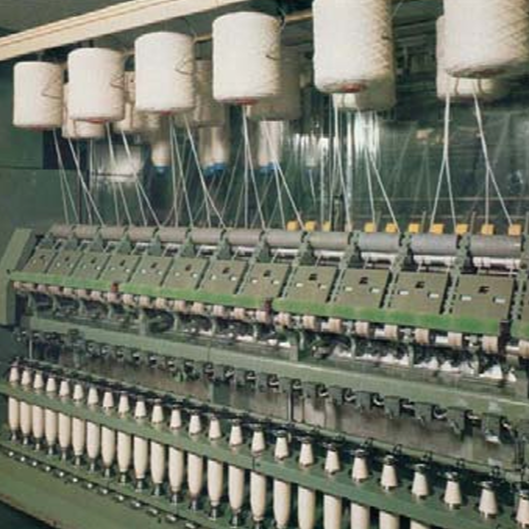
    Wet cleaning method used to remove dirt and grease from wool. It often began before shearing, when sheep were washed. Wool was commonly washed in a...

    Read more

  • industrial bleaching

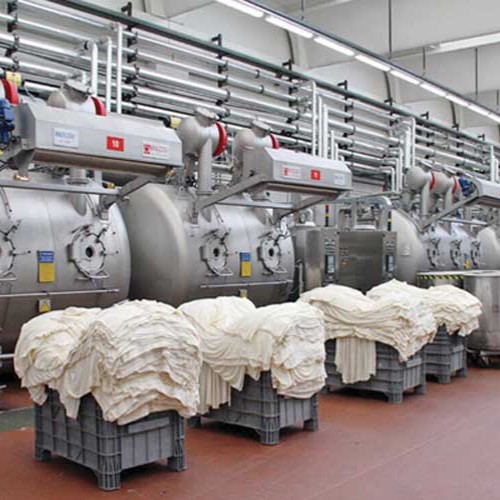
    Industrial bleaching is a technological process of removing natural color, impurities and residues from textile fibers (cotton, linen, wool,...

    Read more

  • industrial dyeing

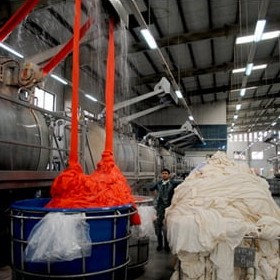
    Industrial dyeing is a technological process in which textile materials (fibers, yarns, fabrics or finished products) are dyed using chemical dyes...

    Read more

  • industrial weaving

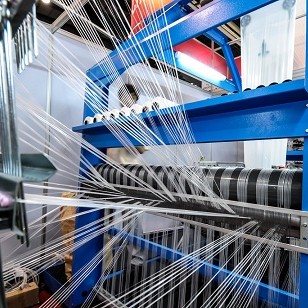
    Industrial weaving is a technological process for fabric production in which two sets of yarns – warp (longitudinal threads) and weft (transverse...

    Read more

This phase of the project Library of Local Textile Materials was supported by the Slovak Arts Council.

Let's start working together

Whether you're a designer, manufacturer, or company, we help you innovate and create more sustainable products.

Sign up

You are contacting us:

The product has been successfully added to the shopping cart

Login