ePrivacy and GPDR Cookie Consent by TermsFeed Generator

Polwarth

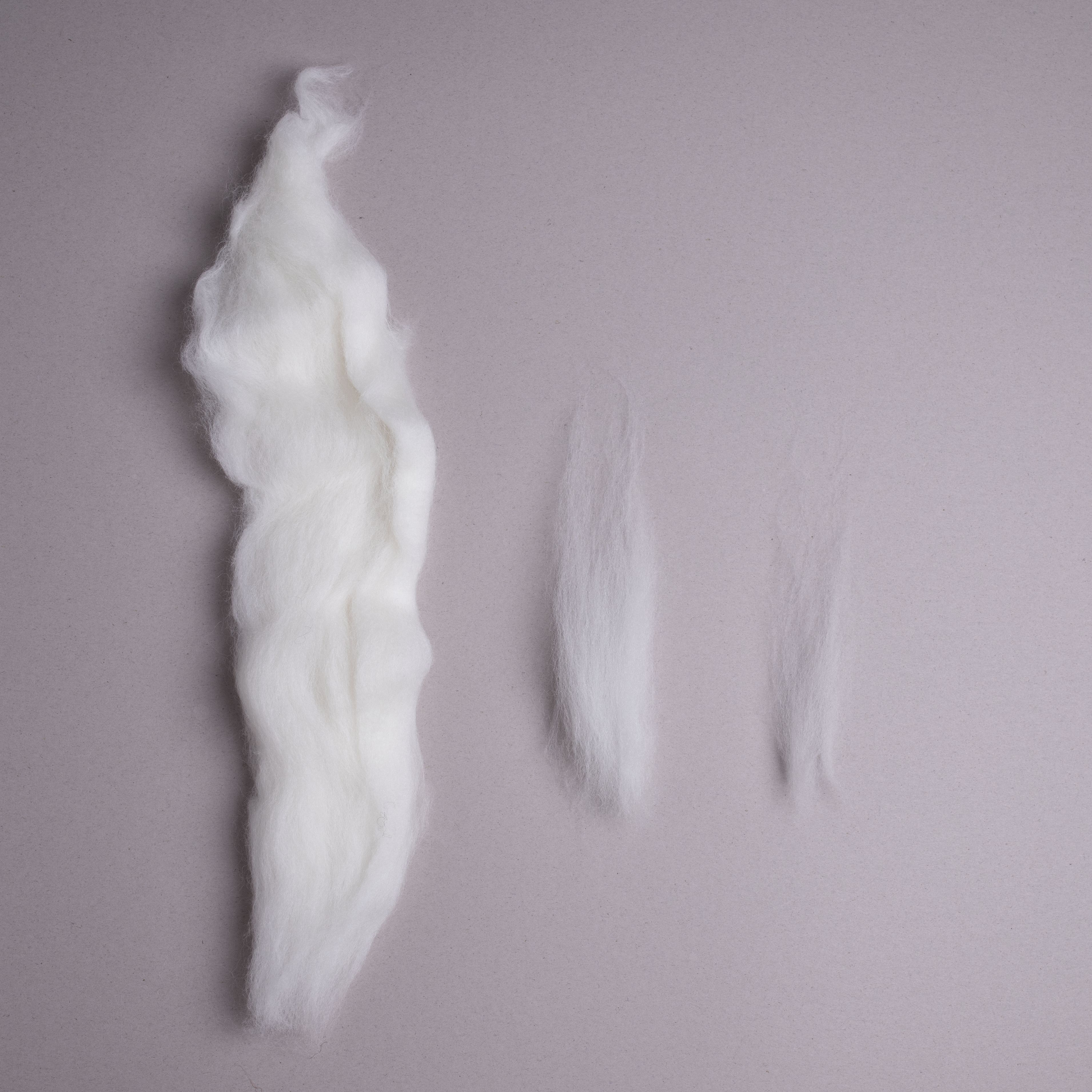
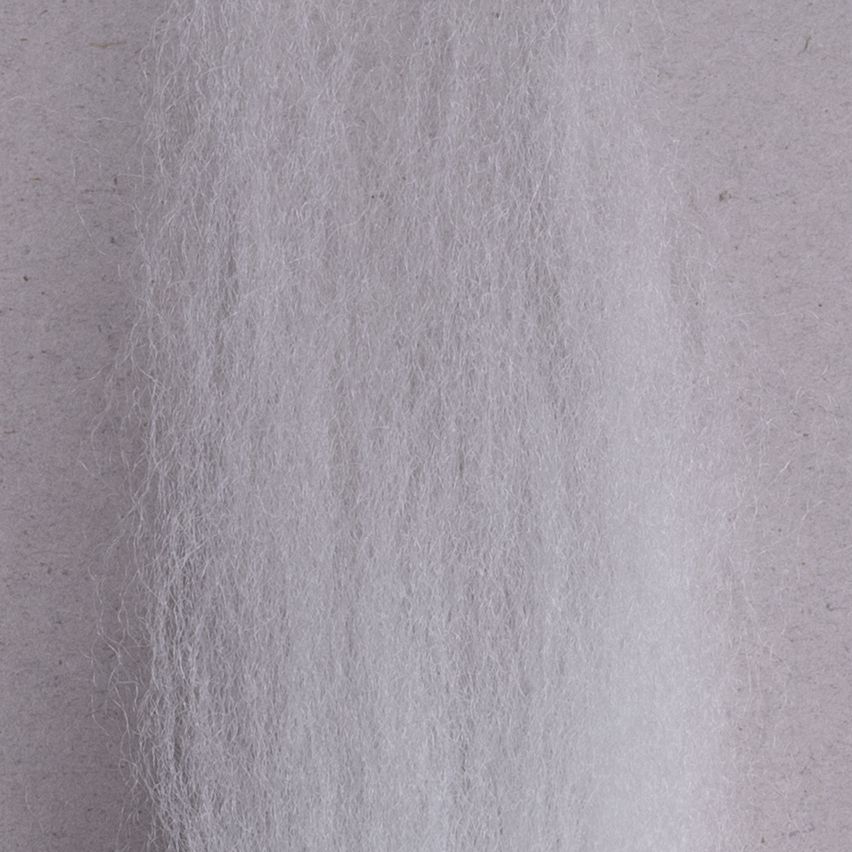
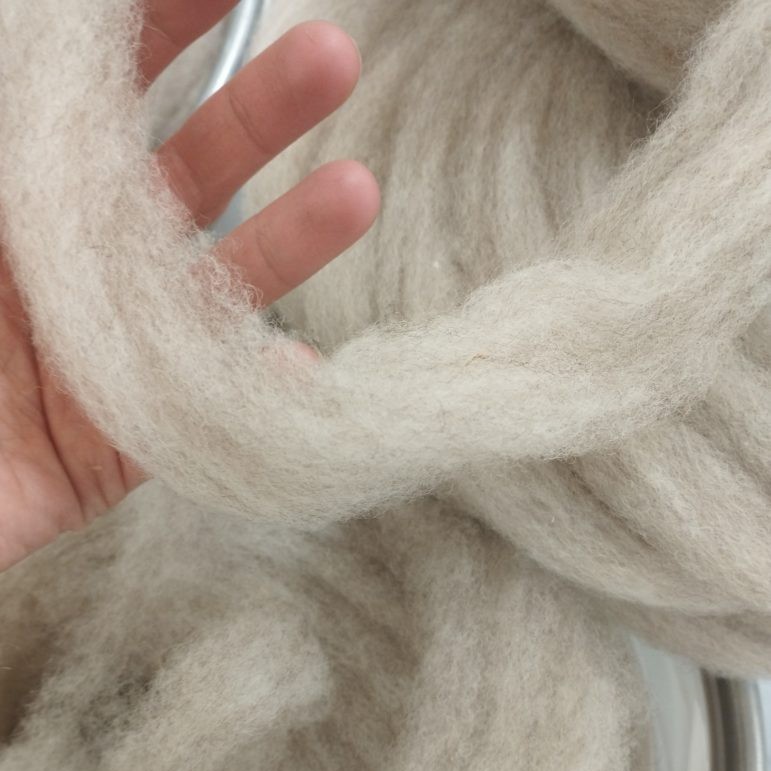
It originates from Australia, where this sheep breed was developed in the late 19th century by crossing Merino (75%) and Lincoln (25%) sheep. The wool is dense, lustrous, and has a well-defined crimp. It is elastic, bulky, and has good resistance to mildew. It is mainly used for hand spinning, knitting, and crocheting soft sweaters, scarves, hats, children’s clothing, socks, and gloves. It is also well suited for weaving both fine and sturdier fabrics, blankets, and shawls, as well as for wet and dry felting, where its softness, fibre length, elasticity, and shape retention are highly valued.
Show more

Gallery

Organizations Show more

Organization name Detail

About the material

Phase Phase 1
Origin Animal
Material group
Material type fiber
Material specification wool
Text source https://nwyarns.com/blogs/northwest-yarns/know-your-fiber-polwarth-wool?_pos=3&_sid=996e110f2&_ss=r
Traditional / Innovative traditional
Sustainability Yes
Sustainability description biodegradable
Fiber color white
Properties - fineness Fiber fineness: 21–25 μm
Properties - length Fiber length: 7,5–16 cm
Properties - strength
Properties - elasticity
Properties - elongation and fiber density
Other properties The wool is dense and lustrous, with well-defined crimp, is elastic and bulky, and has good resistance to mould.
Processing techniques related to this material
Processing - description
Institution to contact
Open-air museum
Museum
Literature used

Technologies

Táto fáza projektu Knižnica lokálnych textilných materiálov bola podporená Fondom na podporu umenia.
This phase of the project Library of Local Textile Materials was supported by the Slovak Arts Council.

Let's start working together

Whether you're a designer, manufacturer, or company, we help you innovate and create more sustainable products.

Sign up

You are contacting us:

The product has been successfully added to the shopping cart

Login