Racka
Wool of the Racka sheep – general description, history, and interesting facts
The Racka is an ancient and rare sheep breed originating from Hungary, known for its unique appearance—long, spirally twisted horns with a distinctive “corkscrew” shape in both males and females. The Racka is used for milk, meat, and wool, and is valued for its hardiness, low maintenance, and ability to survive in the harsh conditions of the Hungarian steppe and pastures.
The Racka is considered one of the oldest sheep breeds in Central Europe. Its ancestors are believed to have arrived in the Carpathian Basin with nomadic peoples (Avars, Huns, Pechenegs, Jazyges) more than 1,000 years ago. Archaeological findings suggest that sheep with similar spiral horns were already known in ancient Egypt and the Middle East. In Hungary, the Racka was widespread in the Middle Ages, and in the 18th century it was among the most numerous breeds.
In the 20th century, the breed came close to extinction, but thanks to Hungarian breeders and conservation programs, it was saved and is now a symbol of Hungarian pastoral heritage.
Appearance and interesting features:
Both sexes have long spiral horns—rams up to 50 cm, ewes up to 30 cm. The breed has a slim body structure, fine bones, a long torso, and excellent mobility.
The wool colour is most commonly brown (dark to light brown), but white and black variants also occur. The fleece has a dual structure: an undercoat and longer, coarser outer hairs.
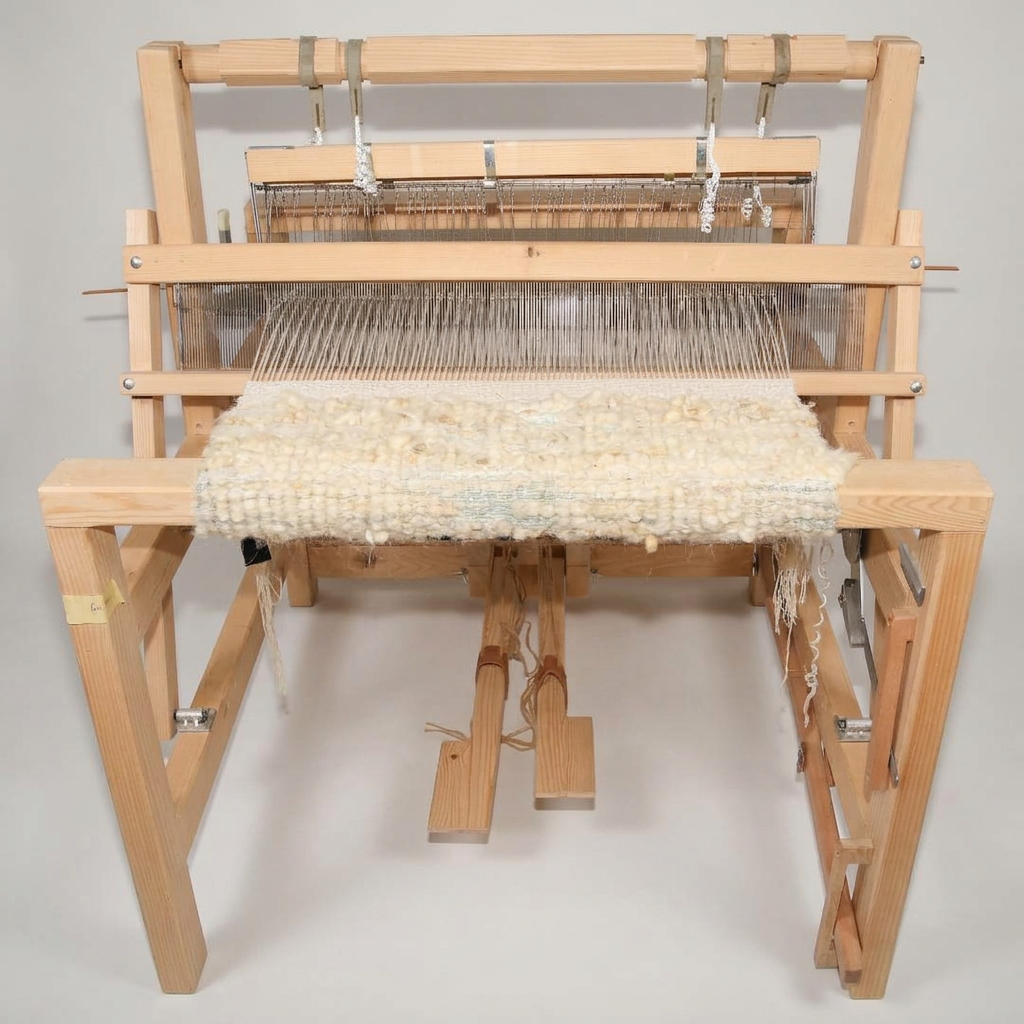
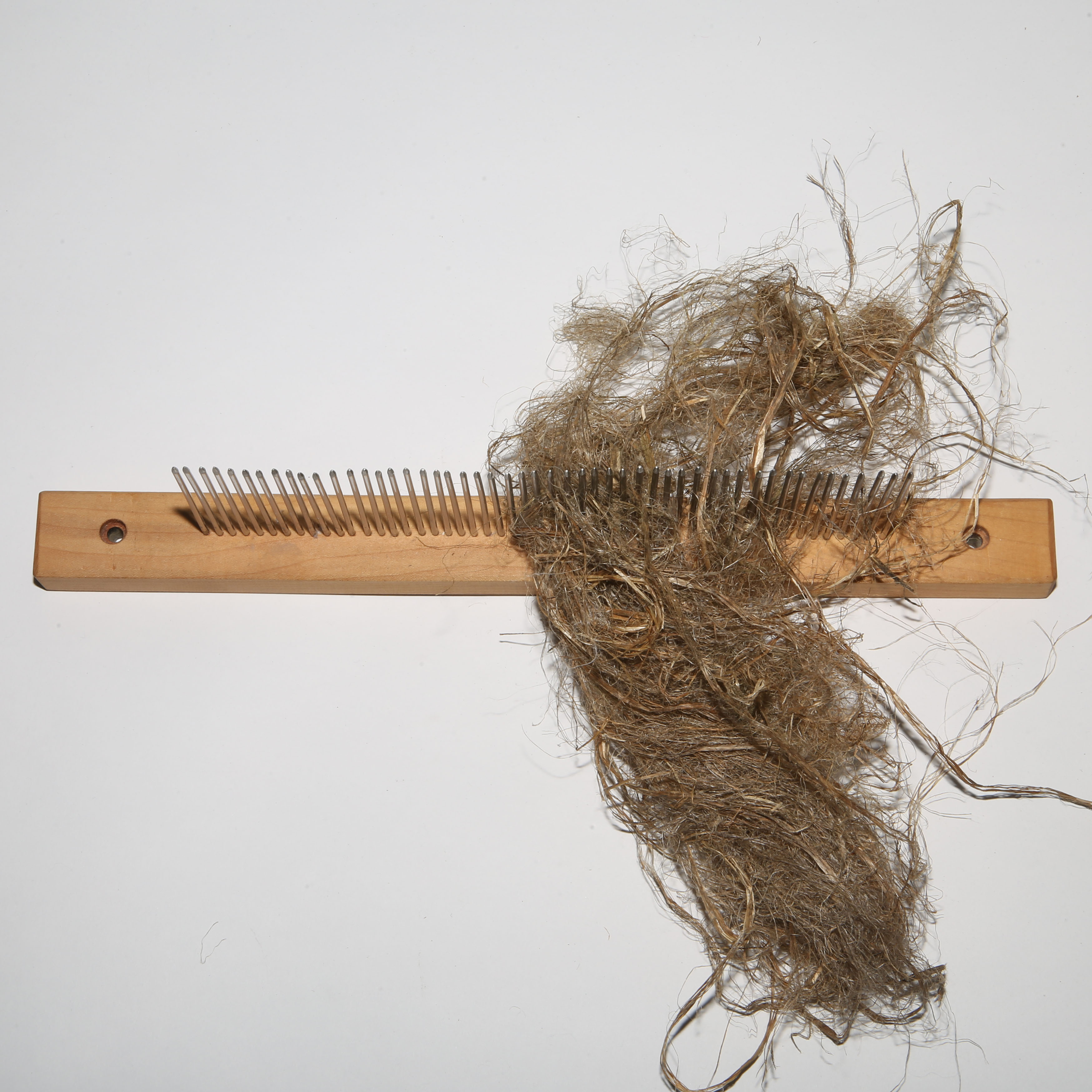
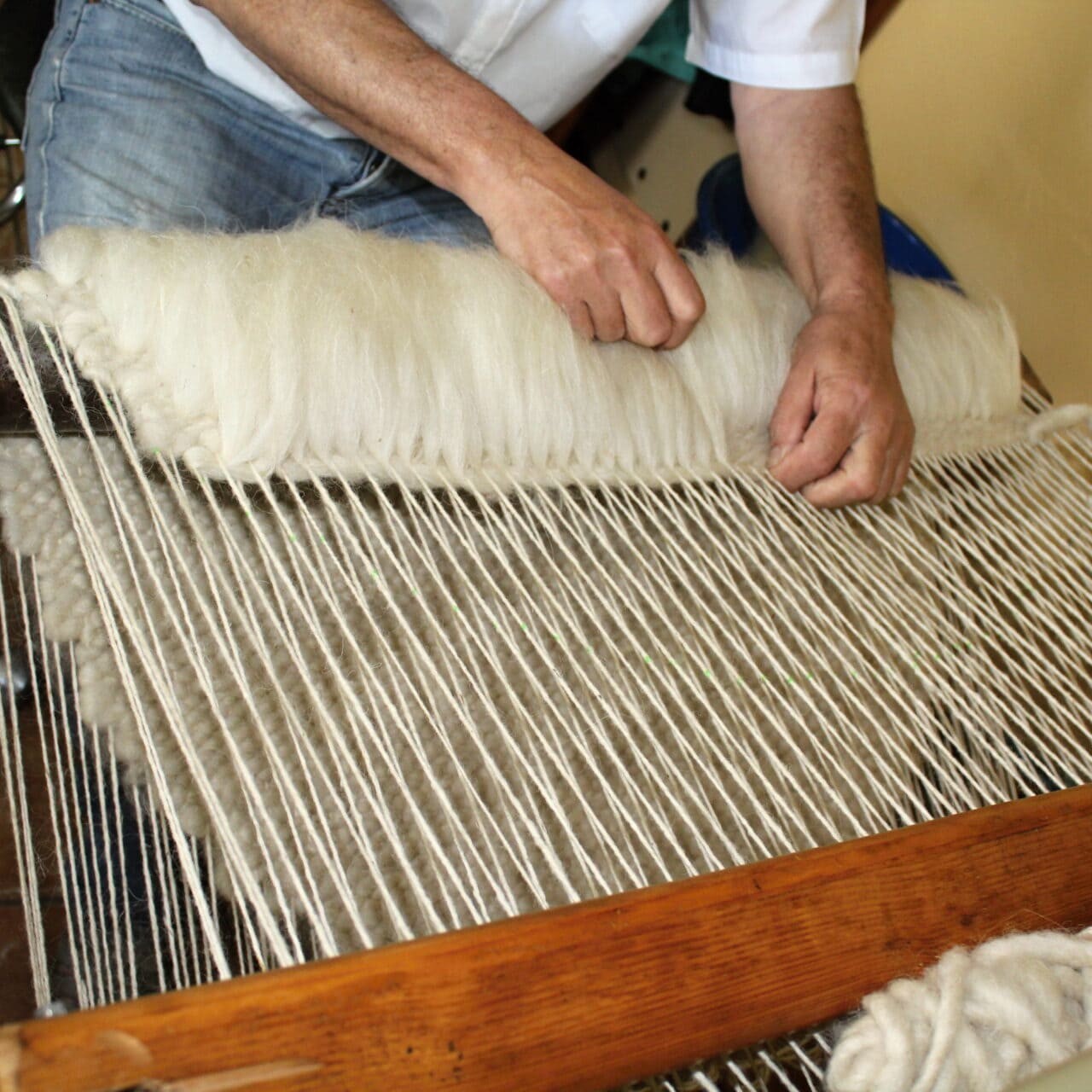
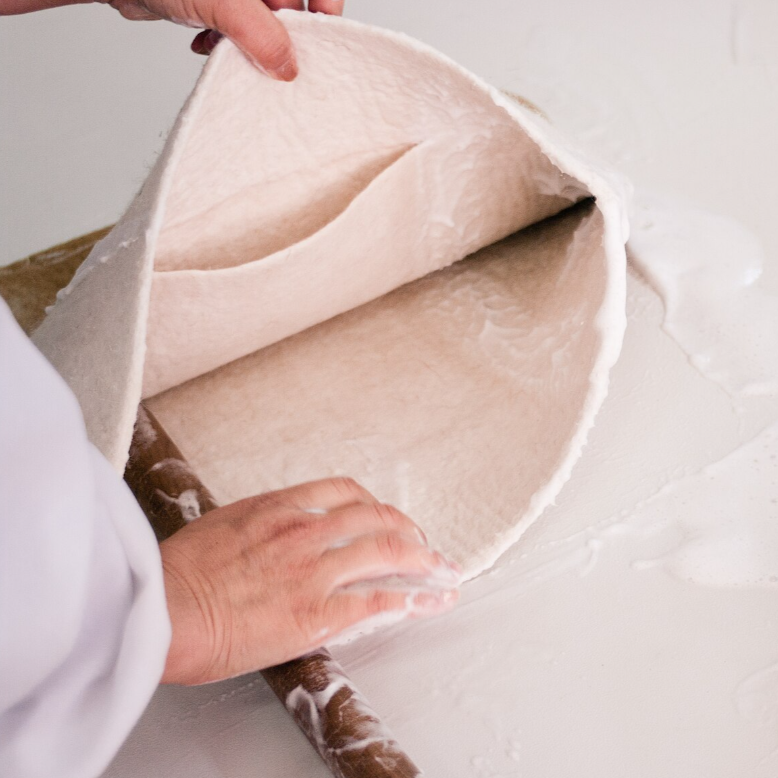
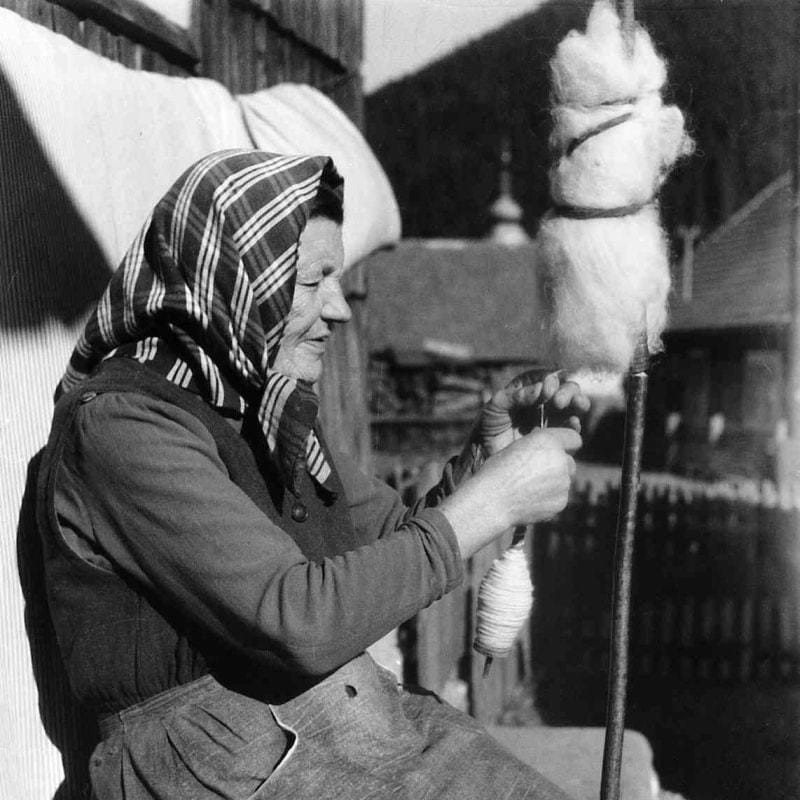
The wool is suitable for hand processing, carpet weaving, traditional textile production, felting, and making garments such as blankets, socks, slippers, traditional felt boots, sweaters, scarves, carpets, bags, cords, and embroidery threads.
Interesting facts:
The Racka is a symbol of Hungarian pastoral culture and often appears in folk festivals and traditional crafts. Its wool is popular among artisans due to its structure and colour, especially for carpets and traditional handmade products. The breed is known for its resilience, longevity, and ability to survive in harsh conditions without intensive care.
Show more