Hemp cloth
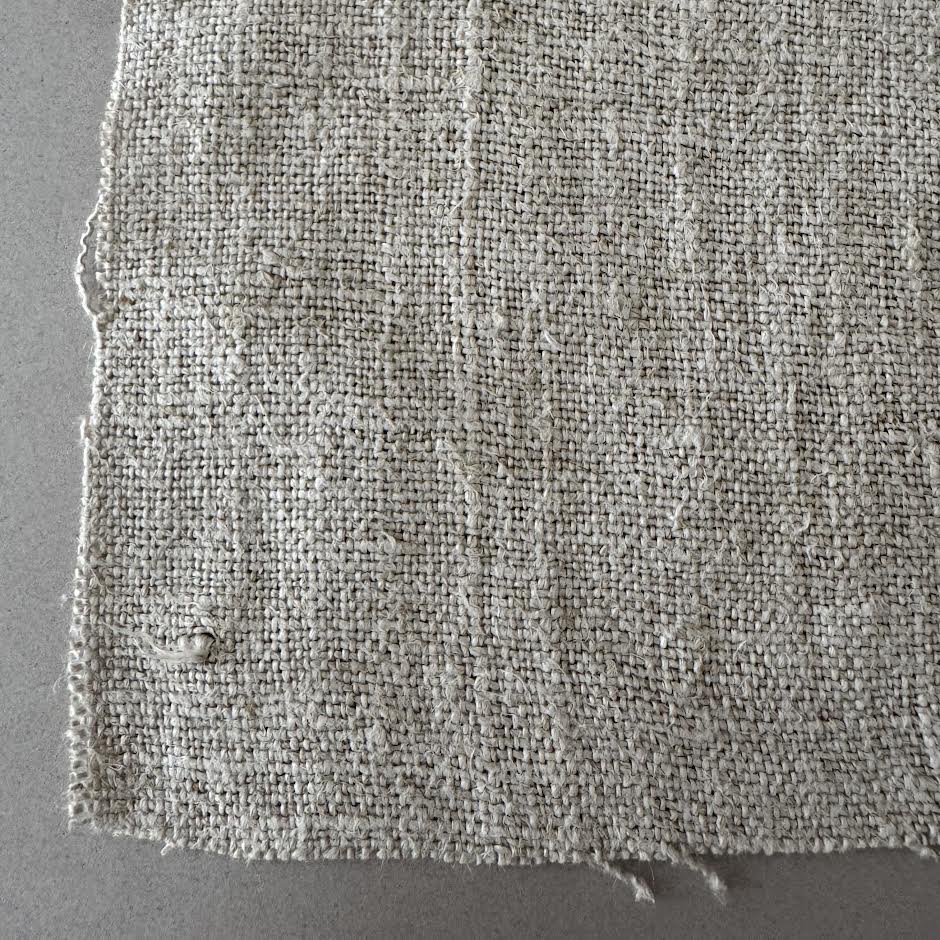
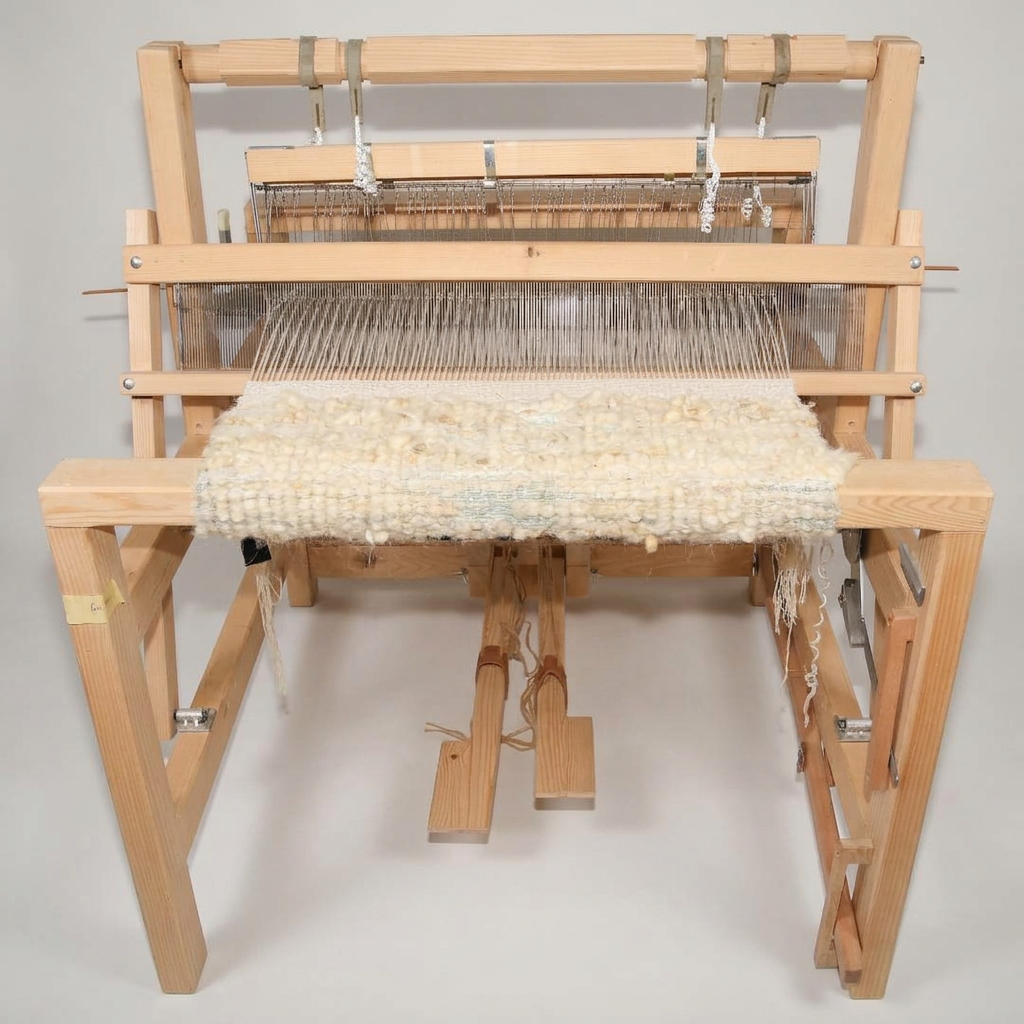
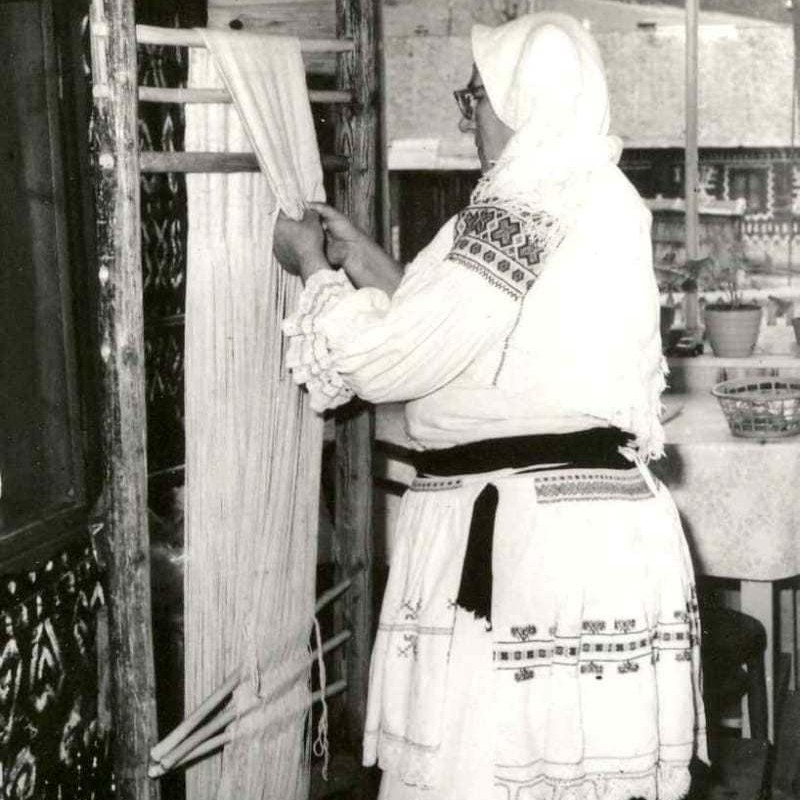
Natural woven textile fabric made from hemp fibers (from industrial hemp Cannabis sativa), which stands out for exceptional strength, durability, absorbency, and moisture-wicking ability. The history of hemp canvas dates back to the 3rd millennium BCE, when it began to be cultivated in China and India, gradually spreading to Europe, and by the 9th century BCE it became an important linen raw material. During the Middle Ages and modern era in Slovakia, hemp canvas was one of the most important textile fabrics for homemade clothing, sails, ship sails, sails, boats, white goods, footwear, sacks, diapers, bandages, medical wraps, and artist canvases for painters. Processing of hemp canvas involves hand-pulling hemp stalks, drying, soaking (rotting) in streams or rotting ponds for 9–14 days to separate fibers from shives, breaking on a stripper, combing on a comb (hachli), and subsequent spinning on a spinning wheel or spindle into yarn, which is then woven on warps using plain weave to transform into canvas. The resulting fabric is strong, resistant to abrasion and moisture, softens after prolonged use, and has excellent absorbency. In the textile industry today, it is used for producing clothing, underwear, accessories, artist canvases, home textiles, technical textiles, eco-friendly clothing, and sustainable products. Hemp canvas represents a traditional, eco-friendly, and renewable material with long durability.
Show more