Nettle
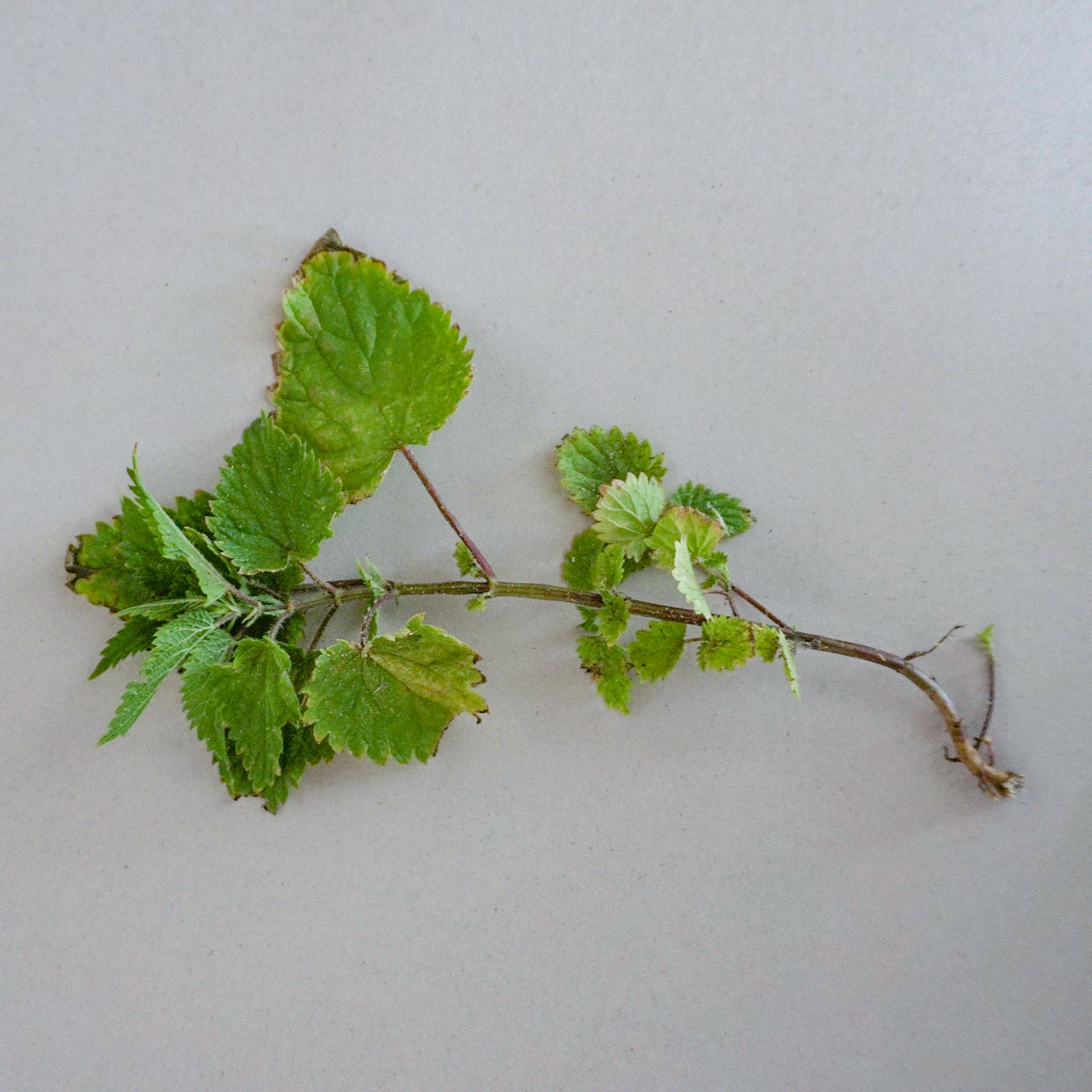
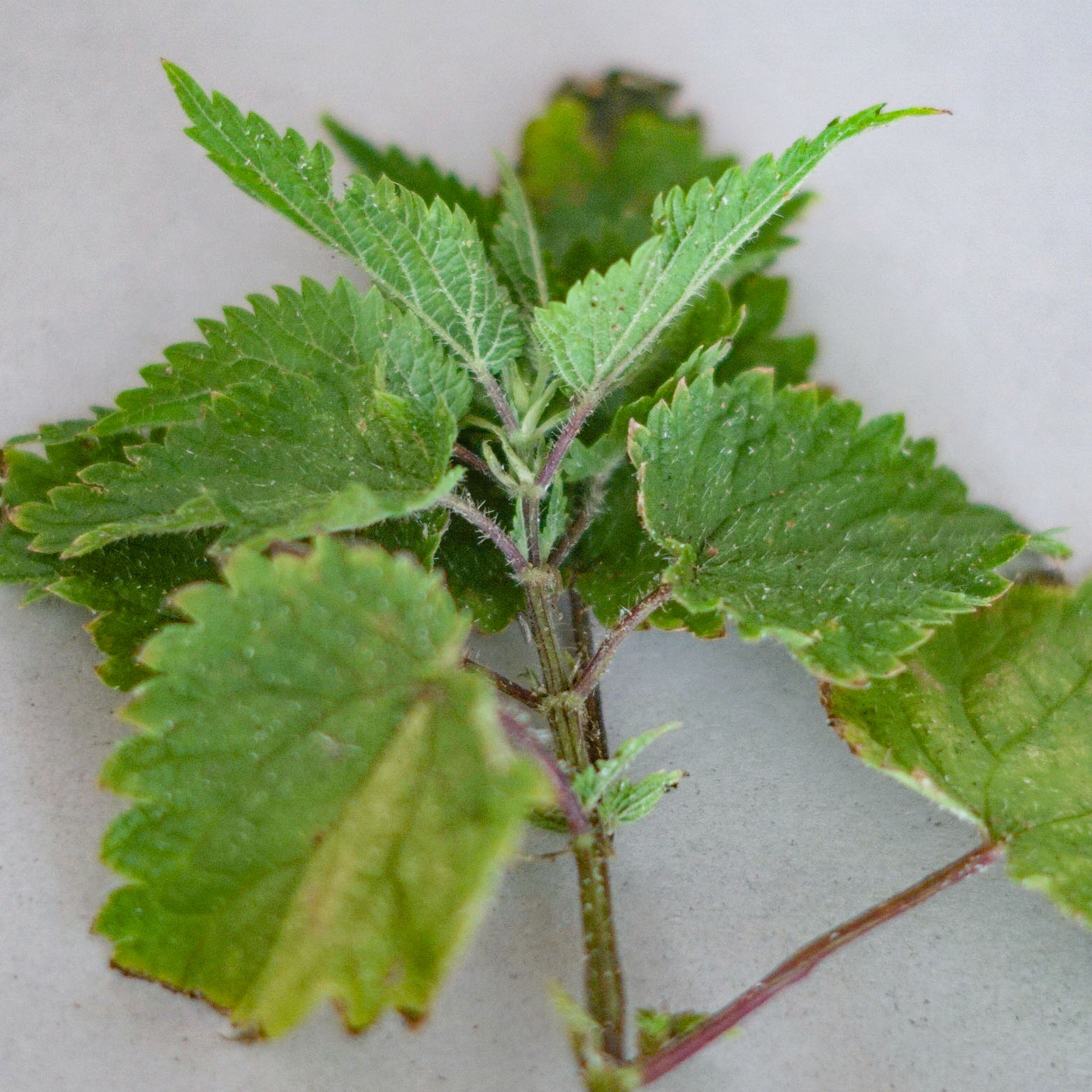
Nettle is a plant from the Urticaceae family. It has stinging hairs (trichomes) on its stipules and leaves with serrated edges. When touched, these trichomes penetrate the skin and, with subsequent movement, cause small ruptures in the skin, leading to pain and itching. The best-known species is the stinging nettle (Urtica dioica), native to Europe, Asia, and North America. Nettle fibres are obtained from the stems of various nettle species (Urtica). Of around 500 species, only Urtica dioica, Urtica genera, Girardinia, Boehmeria, Laportea, and Urtica cannabina are suitable for textile fibre production. The plant is processed similarly to flax or hemp, but it yields only 3–5% textile fibre (specially cultivated nettles can yield up to 12%). The fibres are resistant to abrasion and pilling, and they have higher strength when wet than when dry. Finer yarns can only be spun when blended with other materials.
History:
Textiles made from nettle fibres were likely produced more than 3,000 years ago (according to some historians, even 5,000 years ago). In the Middle Ages, nettle fibres were used alongside hemp for ship sails and ropes. In 1723, a manufactory for processing nettle fibres was founded in Leipzig, but its products could not compete with the rise of cotton. In the 20th century, during the world wars, nettle fibres were again used to compensate for cotton shortages, including for military uniforms in Germany.
Processing and use:
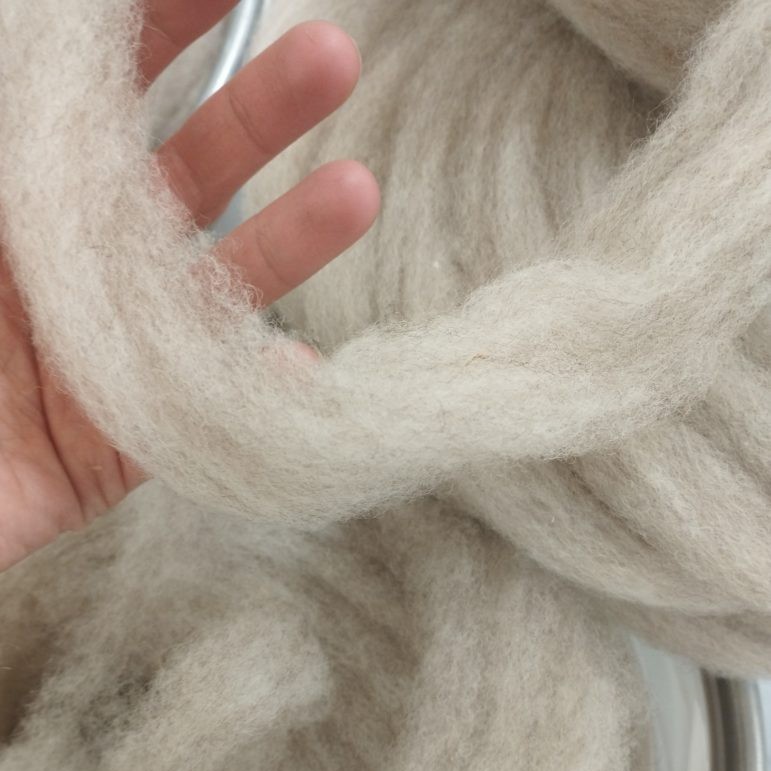
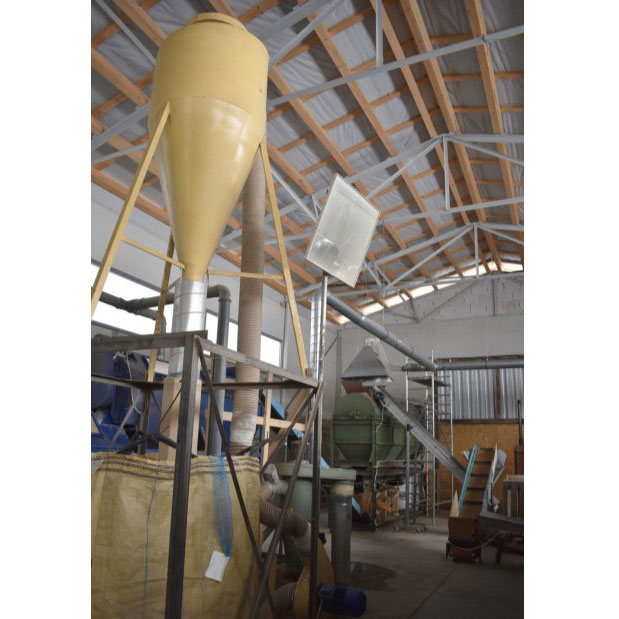
Fibres are processed by hand and machine spinning. Production is still maintained in the Balkans (Bulgaria, Romania, Serbia). Products include curtains, bags, lampshades, and small carpets. Nettle can also be used as a textile dye.
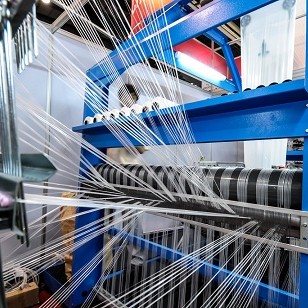
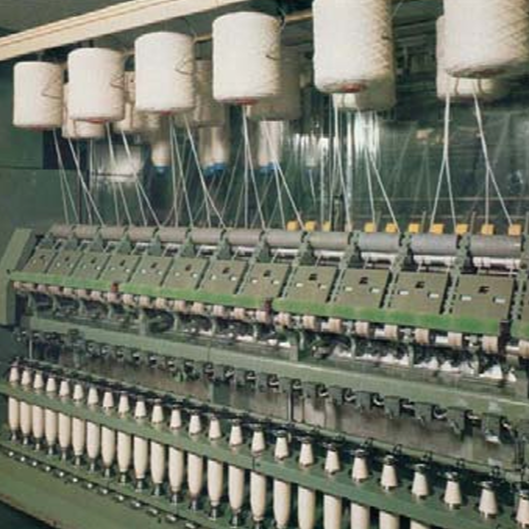
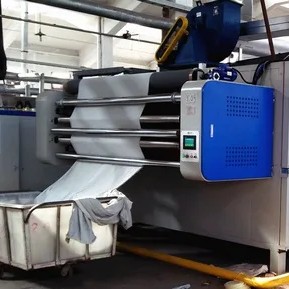
The highest-quality nettle fibres come from the Himalayan region (Nepal, India, Pakistan), where Girardinia diversifolia produces longer, stronger, and more elastic fibres than European Urtica dioica. On the European market, Nepalese hand-spun yarns and 100% nettle textiles are sold as rare products, as well as wool–nettle blends for knitting yarns and upholstery fabrics. Producing 1 kg of coarse nettle yarn by hand spinning takes 5–10 days. Machine processing is possible using methods similar to wool or cotton processing, including ring or rotor spinning systems.
Show more



.jpg)