Silk is one of the oldest and most luxurious textile materials in the world, with a fascinating history that dates back to ancient China. Its production, known as sericulture, began in China more than 5,000 years ago and was kept a closely guarded secret for centuries. According to legend, silk was discovered by Empress Leizu (Xi Ling-shi) when a cocoon fell into her tea while she was sitting under a mulberry tree; when she tried to remove it, a fine, glossy thread began to unwind.
History of silk
Ancient China: The earliest evidence of silk production comes from the Yangshao culture (4th millennium BCE), with the oldest preserved silk fabrics dated to around 3630 BCE. Silk was originally reserved exclusively for the emperor and the court elite; later it became an important form of currency and a symbol of social status.
Secrecy and export: The Chinese maintained a monopoly on silk production for more than 2,000 years. Attempts to export the secret were punishable by death. It was only in the 6th century CE that two monks succeeded in smuggling silkworm eggs into Byzantium, marking the beginning of silk production in Europe.
Silk Road: Silk became the foundation of the legendary Silk Road—a network of trade routes connecting China with the Middle East, India, and Europe. In antiquity, silk was the most sought-after luxury commodity, shaping global trade and cultural exchange.
Europe and the world: In the Middle Ages, silk production spread to Japan, India, Persia, Syria, and later to Italy and France. In the 19th century, the European silk industry was affected by a major disease outbreak, which was helped to overcome by Louis Pasteur. In the 20th century, synthetic fibres replaced part of the demand, but silk remained a symbol of luxury.
Interesting facts about silk
Production: One cocoon of the silkworm (Bombyx mori) contains up to 900 metres of continuous fibre; about 2,000–3,000 cocoons are needed to produce 1 kg of silk.
Properties: Silk is very strong (stronger than steel of the same thickness), lightweight, glossy, breathable, hypoallergenic, and thermoregulating—it cools in summer and warms in winter.
Cultural significance: In China, silk symbolizes wealth, purity, and happiness and is often used in wedding and religious ceremonies. It also has deep cultural importance in Africa (e.g. Kente cloth) and India (Banaras, Kanchipuram).
Uses: Besides clothing, silk was used for writing, flags, wallpapers, carpets, parachutes, surgical threads, and violin strings.
Historical notes: Silk underwear was once believed to protect against arrows because the fibres would wrap around the arrowhead and make removal easier. At the Agricultural Exhibition in Budapest in 1886, silk products from the Silk Breeders’ Association in Košice were presented, along with hemp and flax products. This association promoted silkworm breeding and silk processing and operated a model silk institute.
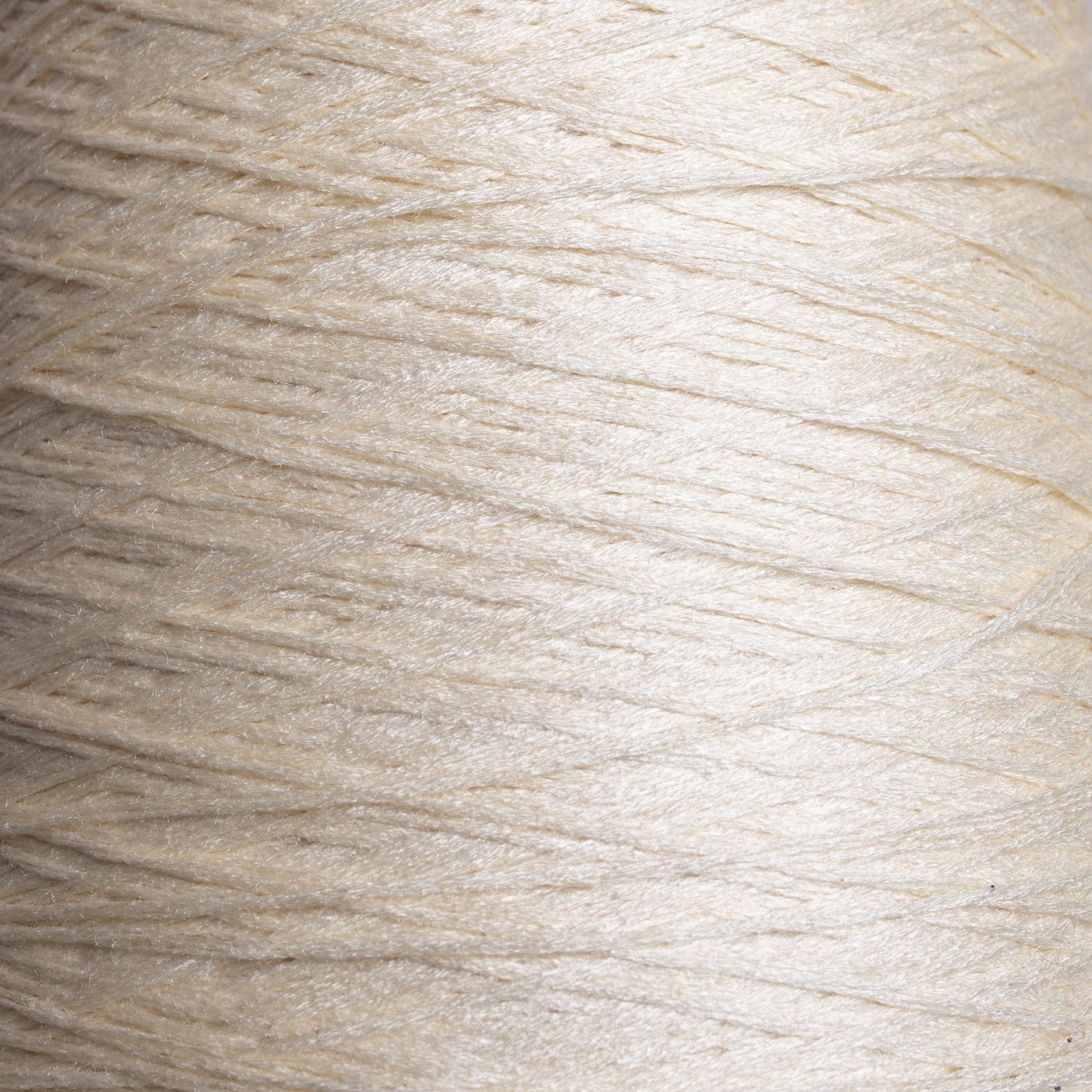
Silk fibre, known as true silk, is a secretion of the silkworm’s glands and is obtained by unwinding cocoons, where 3 to 8 filaments are combined. Silk fibres are fine, glossy, strong or soft, and most commonly white or yellowish.
In Slovakia, silk—mainly in the form of imported fabrics—was likely known as early as the Great Moravian period. From the 15th century, silk thread was used for embroidery, and silk embroidery became common in church textiles. From the 16th century it also appeared in secular textiles of townspeople and nobility, and later in folk embroidery traditions. By the 18th–20th centuries, silk embroidery became characteristic for some regional styles.
In addition to pure silk, gold and silver threads with a silk core were also used. One of the oldest preserved bobbin lace pieces from Slovakia, originating in Košice, was made from a silk thread wrapped in silver-gilded foil. References to imported silk lace date back to the 16th and 17th centuries, and in the 18th century lace was made from both dyed and raw silk (locally called šúšel).
Show more



.jpg)
.jpg)
.jpg)
.jpg)
.jpg)
.jpg)
.jpg)

_byt_min.jpg)