ePrivacy and GPDR Cookie Consent by TermsFeed Generator

Name of related technology

Explore innovative and traditional technologies used in the production and processing of textile materials.

Show filter
  • aida stitch

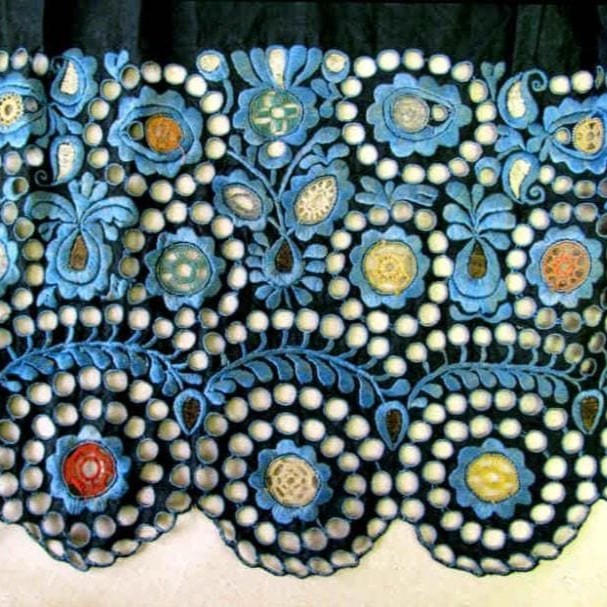
    Embroidery made by punching, cutting out and sewing holes according to a pre-drawn pattern. Holes of various shapes are left empty or filled with...

    Connected with no materials

    Read more

  • air-jet

    The weft is inserted by a jet of compressed air. Very fast, suitable for lightweight and medium-weight fabrics, with high productivity.

    Connected with no materials

    Read more

  • air-jet spinning machine

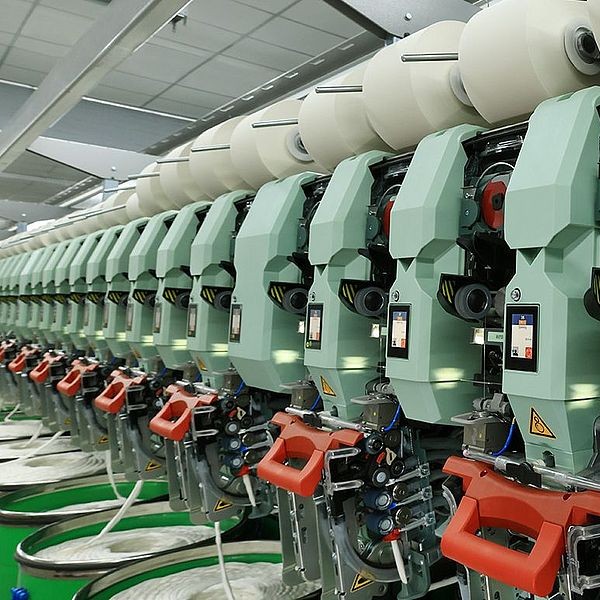
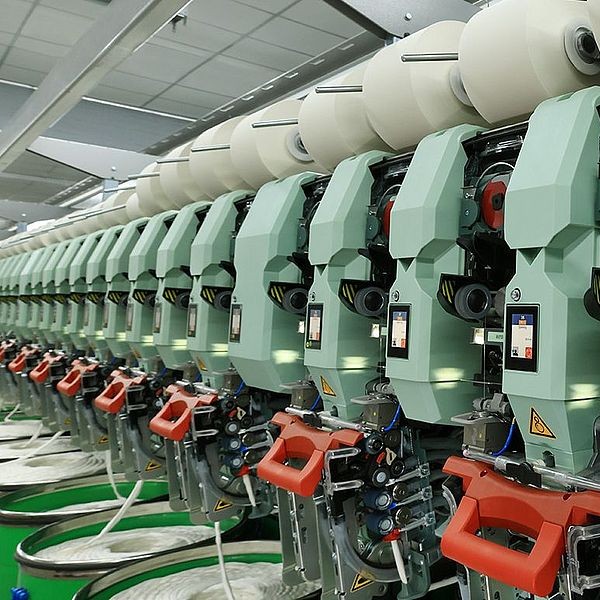
    The fibers are twisted by air current; very fast, suitable for medium-fine yarns. Air-jet spinning (also called air spinning, jet spinning, or...

    Connected with no materials

    Read more

  • ajour

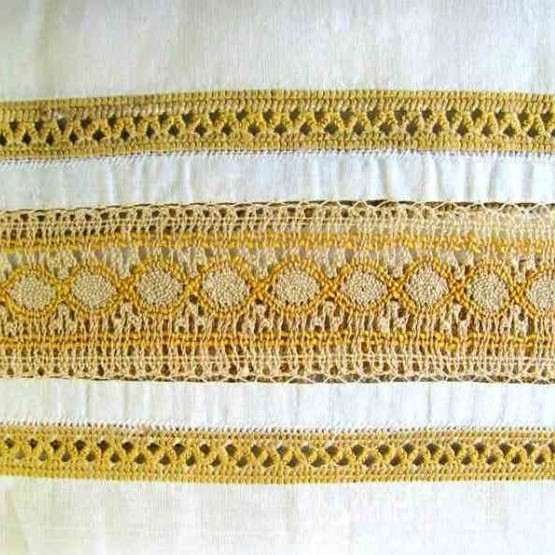
    Drawn-thread work / Ažúr – an embroidery technique based on the partial removal of warp or weft threads from the fabric. The remaining threads are...

    Connected with no materials

    Read more

  • art protis

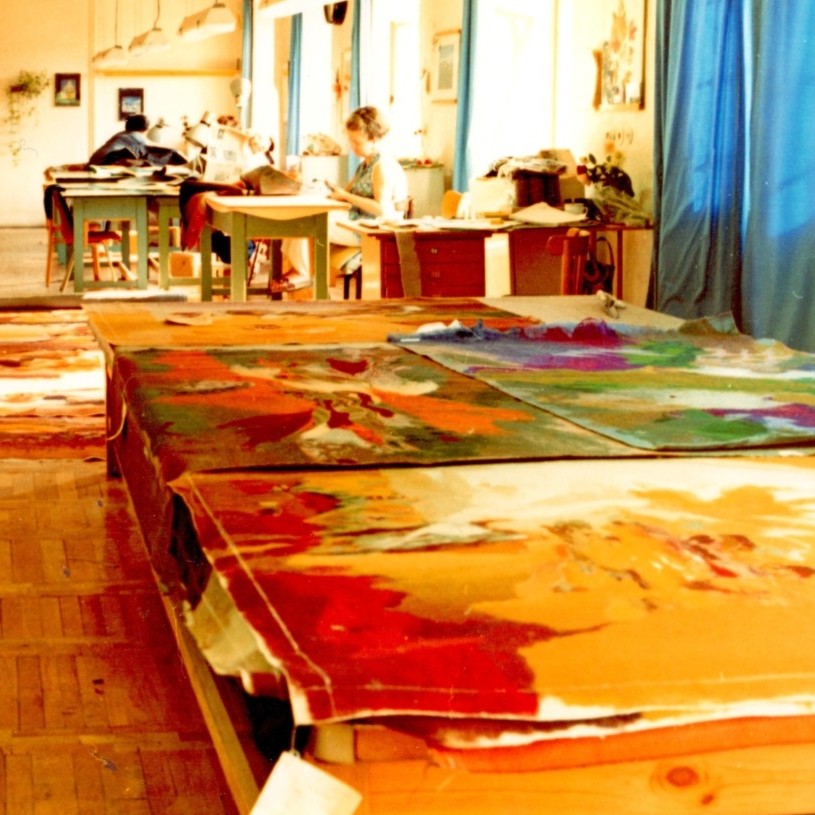
    Art Protis – a unique Czechoslovak textile technique developed in the 1960s at the Wool Research Institute in Brno and patented in 1968. It combines...

    Connected with no materials

    Read more

  • binding

    (Tying, Knotting) a method of joining fibers, threads, rods and other elements by tying, tying knots. In textile production in Slovakia, the use of...

    Connected with 2 materials

    Read more

  • bleaching

    Bleaching is a technological process in which textile fibers, yarns, or finished fabrics are lightened in order to achieve a whiter appearance and...

    Connected with no materials

    Read more

  • bobbin lace-making

    Paličkovanie je technika, pri ktorej sa nite navinuté na drevených paličkách prepletajú podľa vzoru upevneného na podložke - vankúši (valci,...

    Connected with no materials

    Read more

  • break

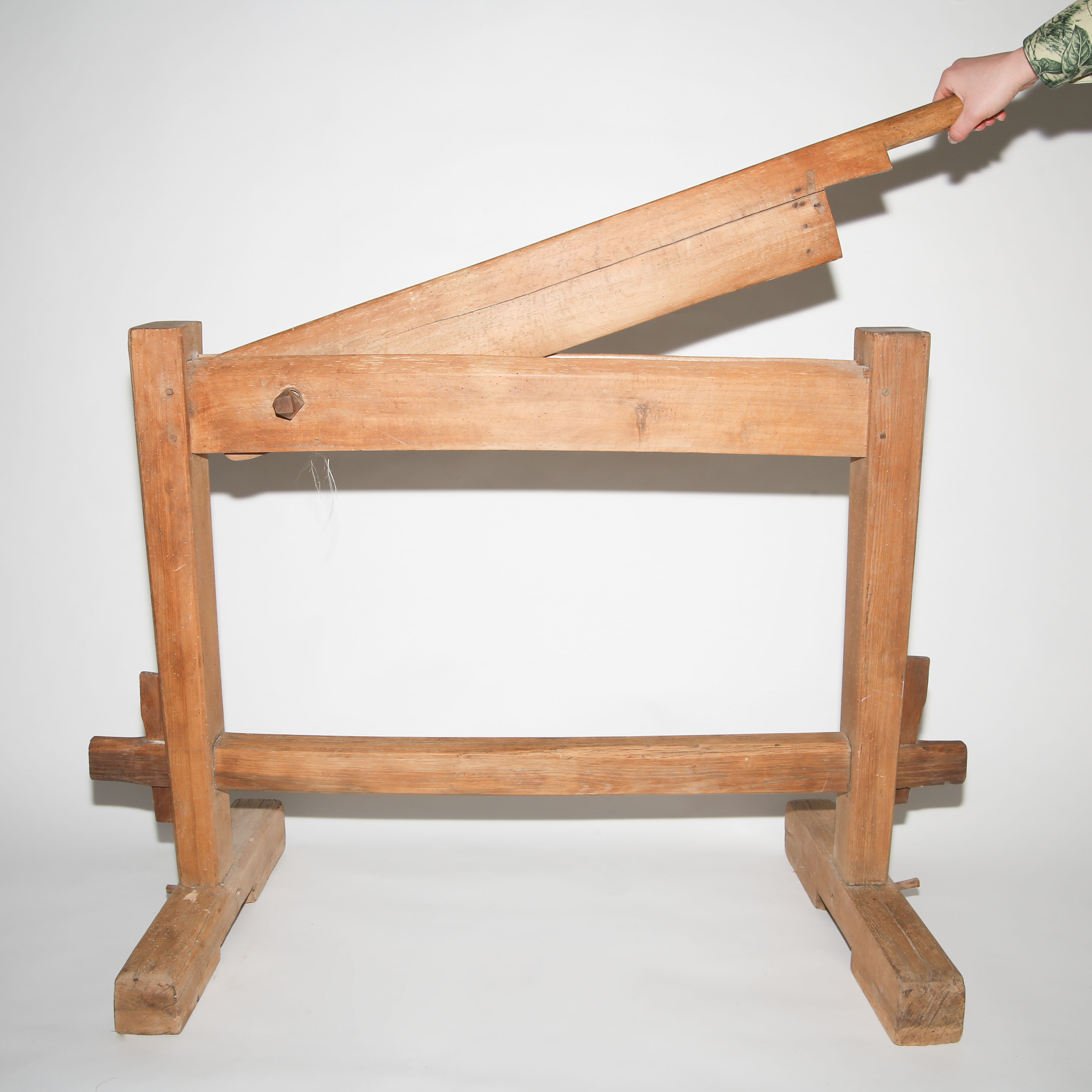
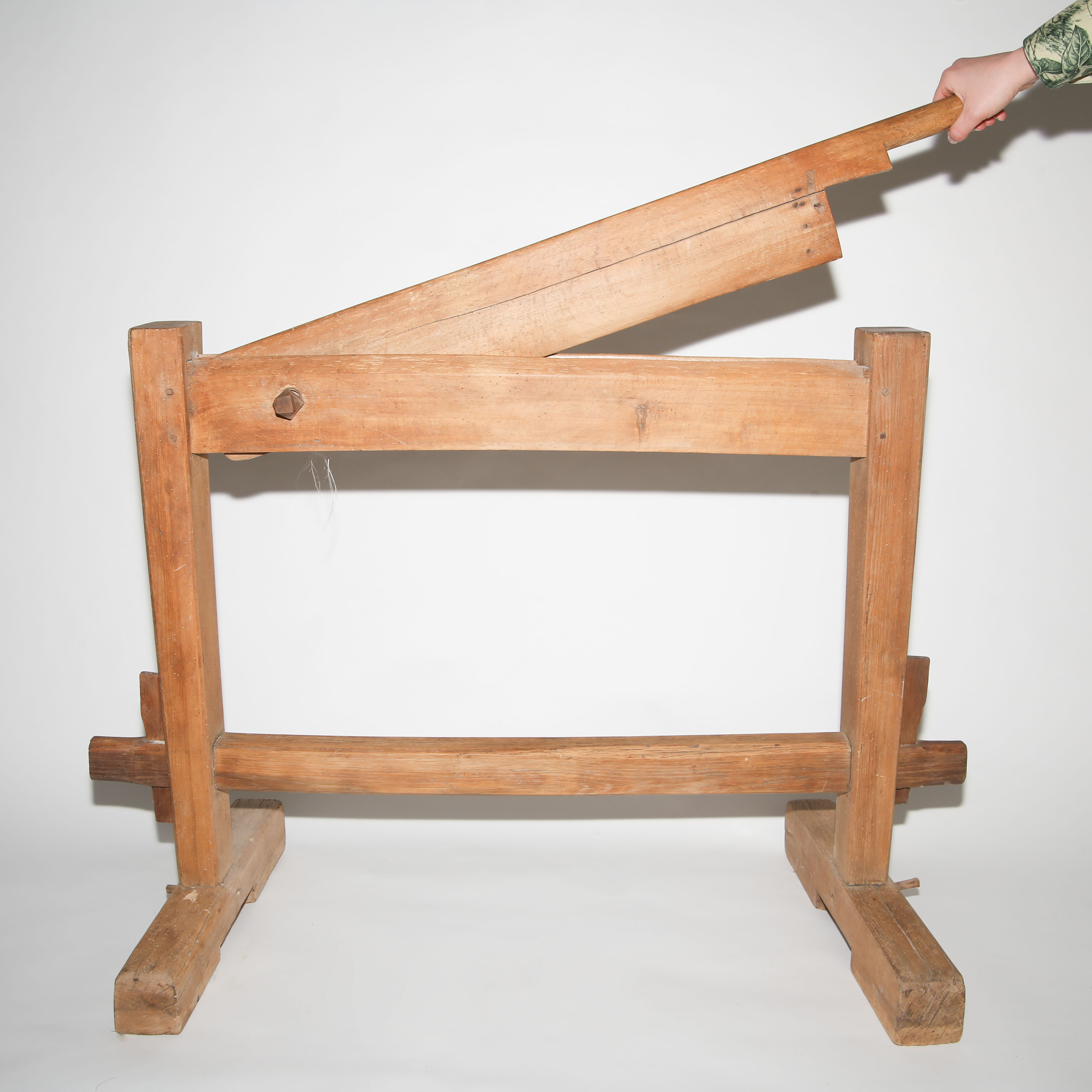
    Breaking tool / Flax and hemp brake – a tool used to separate the woody part of flax and hemp stems from the fibers. The stems were crushed on the...

    Connected with 1 material

    Read more

  • breaking

    Breaking was(is) a traditional processing technique used to separate the woody core from bast fibers after retting by water soaking or dew exposure...

    Connected with 2 materials

    Read more

  • canvas store

    The canvas market has evolved from ancient, utilitarian hemp/flax fabric for sails and tents into a diverse global industry spanning high-end art,...

    Connected with no materials

    Read more

  • carpentry

    špecializovaná garbiarska výroba zameraná na spracovania kože z jelenej alebo srnčej zveri, kôz, jahniat a teliat na irchu. Bola to jemná, tenká...

    Connected with no materials

    Read more

  • carpet weaving

    Carpet weaving commonly used textile remnants, wool yarn, hemp threads, or linen threads. In guba production, a traditional craft focused on...

    Connected with 2 materials

    Read more

  • circular loom

    Weaving in a circular or tubular loom. Used for the production of sacks, geotextiles, and mesh fabrics.

    Connected with no materials

    Read more

  • cloth fulling

    Fulling craft – a craft concerned with fulling woolen cloth in a fulling mill. In most cloth-making centers, fulling was carried out by cloth-makers...

    Connected with 1 material

    Read more

  • coils

    Wooden bobbins are used in weaving to wind yarn, which is then inserted into a shuttle or another weft-insertion device. Yarn winding: The yarn...

    Connected with no materials

    Read more

  • comb

    Flax combs, also known as hackles, or heckles, were fitted with parallel steel pins for splitting and combing out the fibers of flax. Using a flax...

    Connected with no materials

    Read more

  • combing

    Combing is a technological process in the processing of textile raw materials, especially wool, cotton, linen or hemp. Its aim is to separate long,...

    Connected with 8 materials

    Read more

  • cord

    Twisting a withe consisted of two phases: in the first phase, the rod cracked through twisting and became fibrous, while in the second phase it was...

    Connected with no materials

    Read more

  • cottonization

    It is the process of separating bundles of bast technical fibres into individual elementary fibres. The purpose is to “cottonize” the material...

    Connected with 2 materials

    Read more

Táto fáza projektu Knižnica lokálnych textilných materiálov bola podporená Fondom na podporu umenia.
This phase of the project Library of Local Textile Materials was supported by the Slovak Arts Council.

Let's start working together

Whether you're a designer, manufacturer, or company, we help you innovate and create more sustainable products.

Sign up

You are contacting us:

The product has been successfully added to the shopping cart

Login