Name of related technology
Explore innovative and traditional technologies used in the production and processing of textile materials.
-
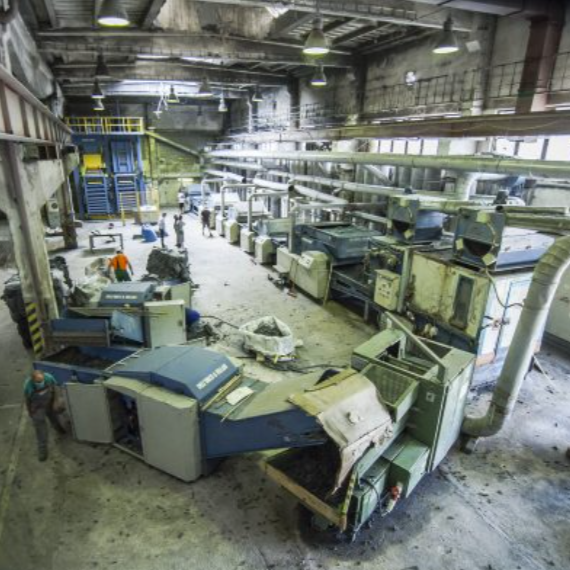
industrial textile recycling
Industrial textile recycling is a process that aims to reduce the amount of textile waste, extend the life of materials and minimize the...
Connected with 1 material
-
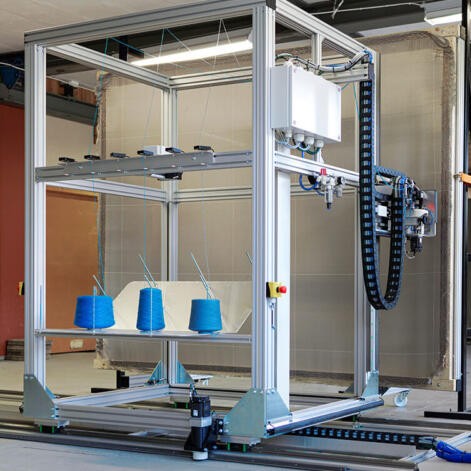
industrial tufting
Industrial tufting is a modern textile technology in which yarn (most often wool, polyester, polyamide, cotton or their mixtures) is pressed into...
Connected with 2 materials
-
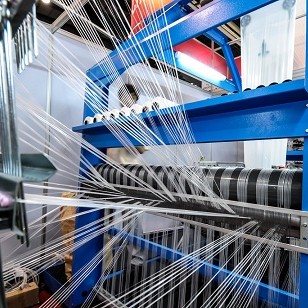
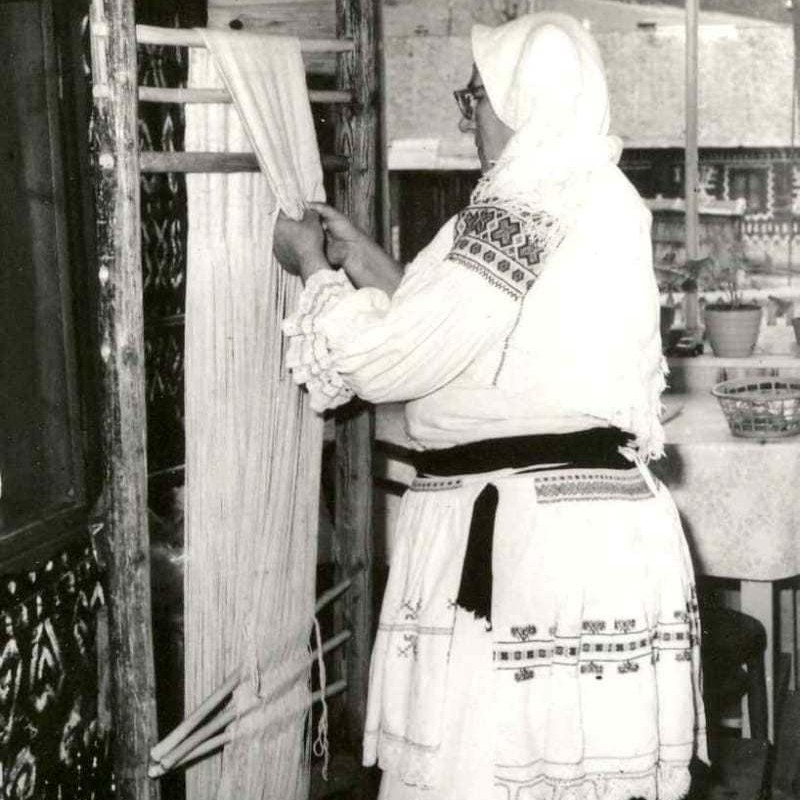
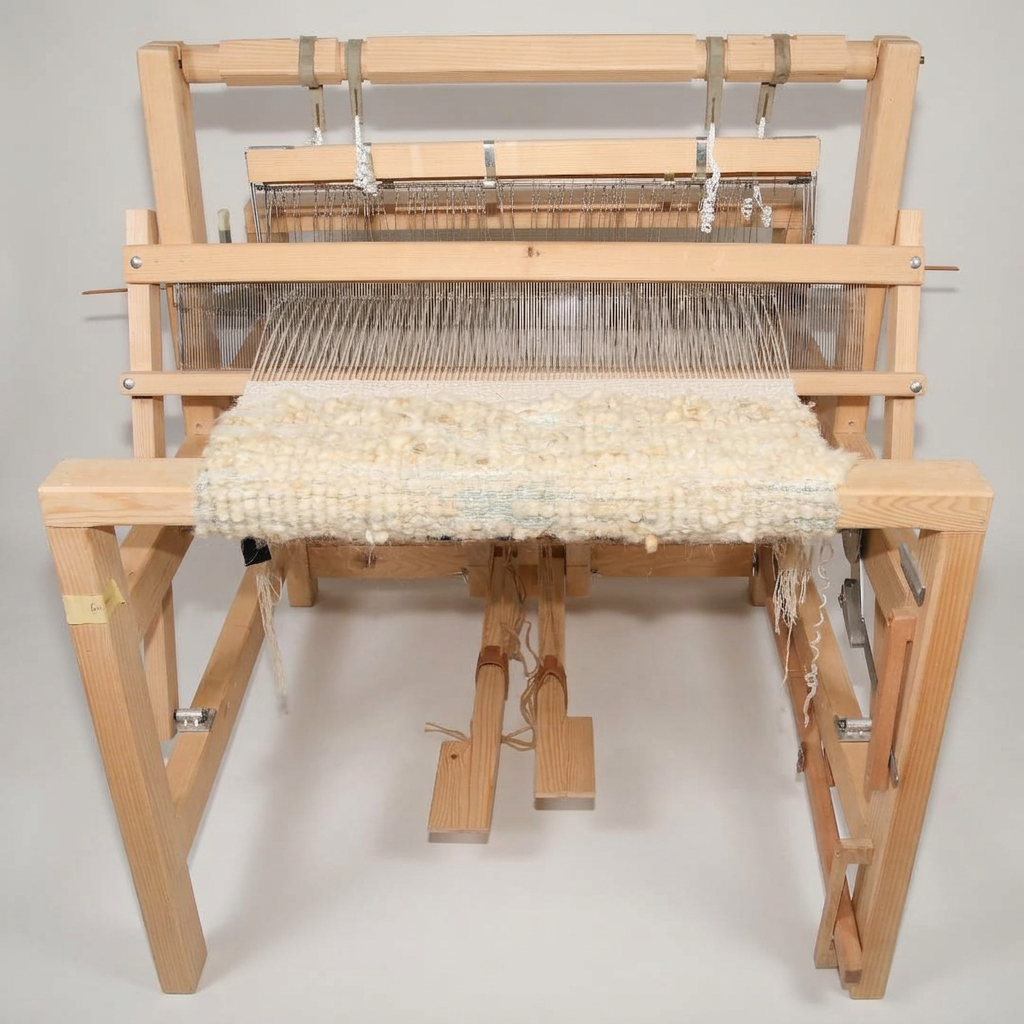
industrial weaving
Industrial weaving is a technological process for fabric production in which two sets of yarns – warp (longitudinal threads) and weft (transverse...
Connected with 38 materials
-
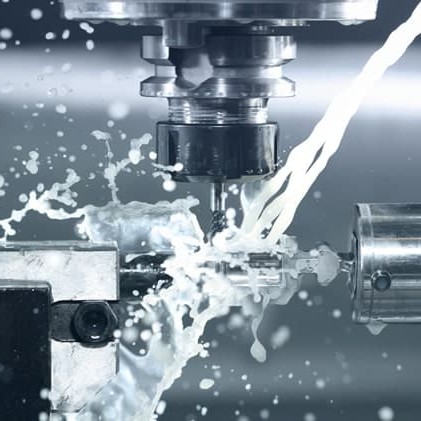
industrial yarn softening
Industrial yarn softening is a set of technological modifications aimed at increasing the softness, pliability and comfort of yarn intended for...
Connected with 2 materials
-

jacquard loom
The Joseph Marie Jacquard loom is a revolutionary weaving machine invented in 1801 by the French inventor Joseph Marie Jacquard. This machine...
Connected with no materials
-
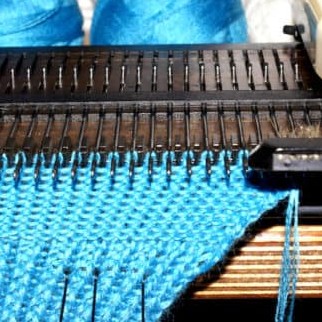
knitting on a home knitting machine
Machine knitting at home – an efficient method of producing regular, elastic, and high-quality knitted fabrics, such as scarves, socks, or sweaters,...
Connected with no materials
-

knitting on a loom
Ancient textile technique in which elastic net-like fabric is produced by twisting and crossing parallel warp threads stretched on a simple frame....
Connected with no materials
-
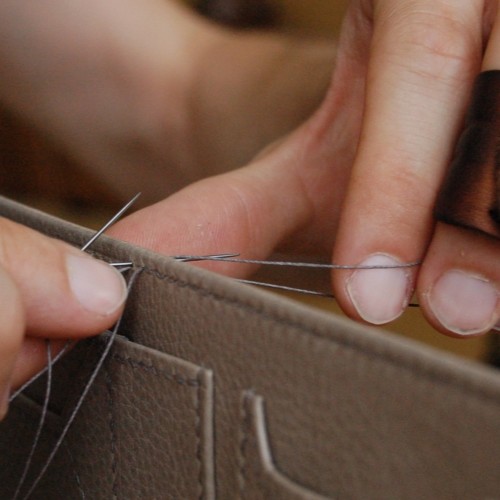
leather goods
craft focused on producing objects from leather. Medieval leatherworkers made travel trunks, leather chairs, ammunition bags, and other goods, often...
Connected with 1 material
-
mechanical fibre recovery
Mechanical fibre recovery is a recycling process in which textile materials are mechanically opened and separated back into fibrous form without the...
Connected with no materials
-
mechanical textile recycling
Mechanical textile recycling is the industrial process of converting textile waste into reusable fibre through cutting, shredding, opening and...
Connected with no materials
-
mechanized harvest
A mechanized method of harvesting agricultural crops (e.g. grain) using combines or other agricultural machinery. The machine simultaneously cuts,...
Connected with no materials
-
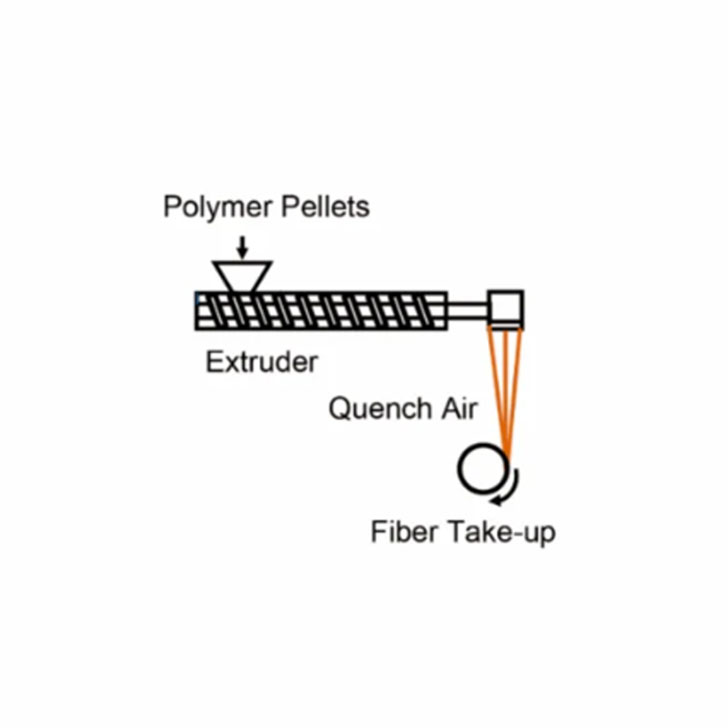
melt spinning
Melt spinning is the most widely used and highly efficient method of producing synthetic fibers, especially from thermoplastic polymers such as...
Connected with 1 material
-
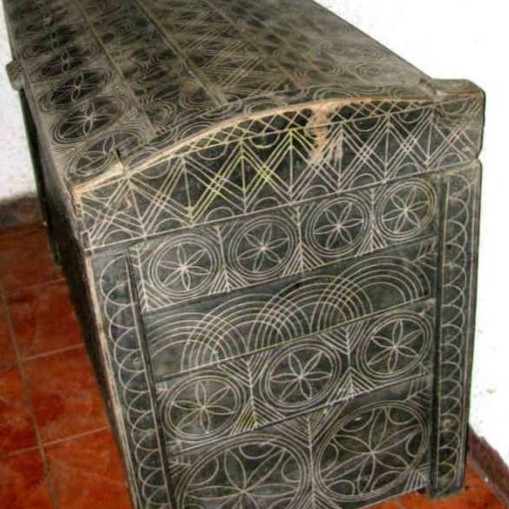
mordanting
Mordanting (staining) – traditional process used for treating and modifying the appearance of wood, metal, leather, and textiles through the...
Connected with no materials
-
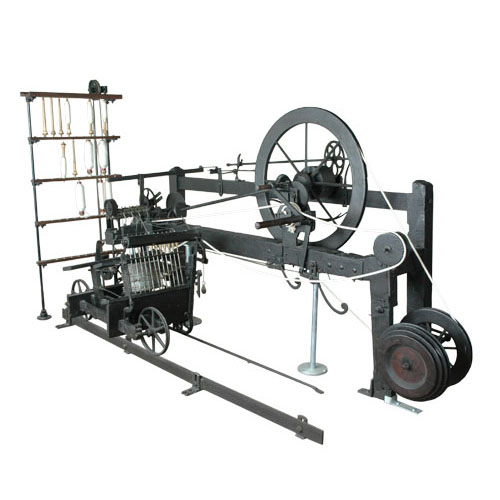
Mule spinning machine
The spinning mule is a machine used to spin cotton and other fibres like wool. They were used extensively from the late 18th to the early 20th...
Connected with no materials
-
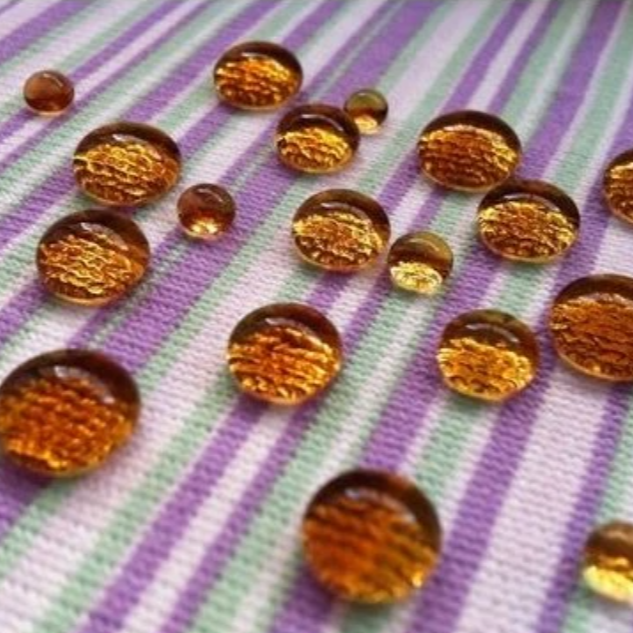
nanotechnology
Nanotechnology is a scientific and industrial field that deals with the manipulation, development and use of materials and structures at the...
Connected with no materials
-
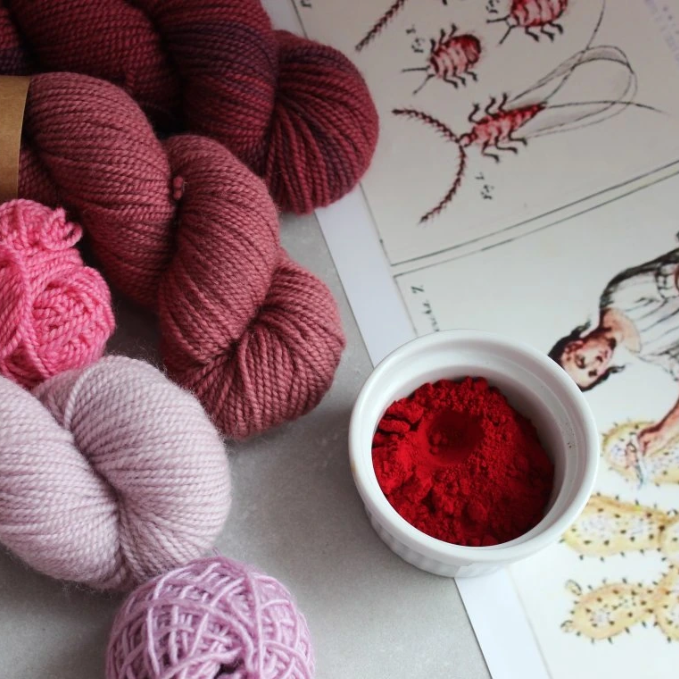
natural dye
Natural dyes are substances obtained from natural sources – plants, animals or minerals – that are used to color foods, textiles or other materials....
Connected with 3 materials