Ancient times and the beginnings of cultivation
Hemp (Cannabis sativa) is one of the oldest plants cultivated for textile purposes. Its use for textile production dates back to the Neolithic period in Asia, from where it gradually spread to Europe. Archaeological evidence suggests that hemp appeared in Europe as early as the Bronze Age (approximately 2700–1700 BCE). The earliest evidence of deliberate hemp cultivation in Europe comes from the Lake Varna region in Bulgaria (around 4280 BCE), but more intensive cultivation spread in southeastern Europe around 500–600 BCE and reached northern and western parts of the continent by the 7th century CE.
Medieval period and the rise of the hemp industry
In the Middle Ages, hemp became a key raw material for the European textile industry. Its strong and durable fibres were essential especially in maritime industries for making ropes, sails, nets, and canvas, which supported the development of shipbuilding and trade fleets. By the 12th century, hemp had become an important agricultural crop in countries such as France, the Netherlands, England, and Italy, where its cultivation was also supported by state subsidies and regulations. In some regions, especially in Italy (notably between Bologna and Ferrara), hemp was grown on a large scale, and Italian fibre was known for its high quality.
In households, hemp fibre was used to make clothing, bed linen, bags, footwear, carpets, and ropes. Hemp was accessible and inexpensive, making it available to all social classes. In many parts of Europe, it was commonly grown as an agricultural crop, often as part of crop rotation systems.
Processing technology
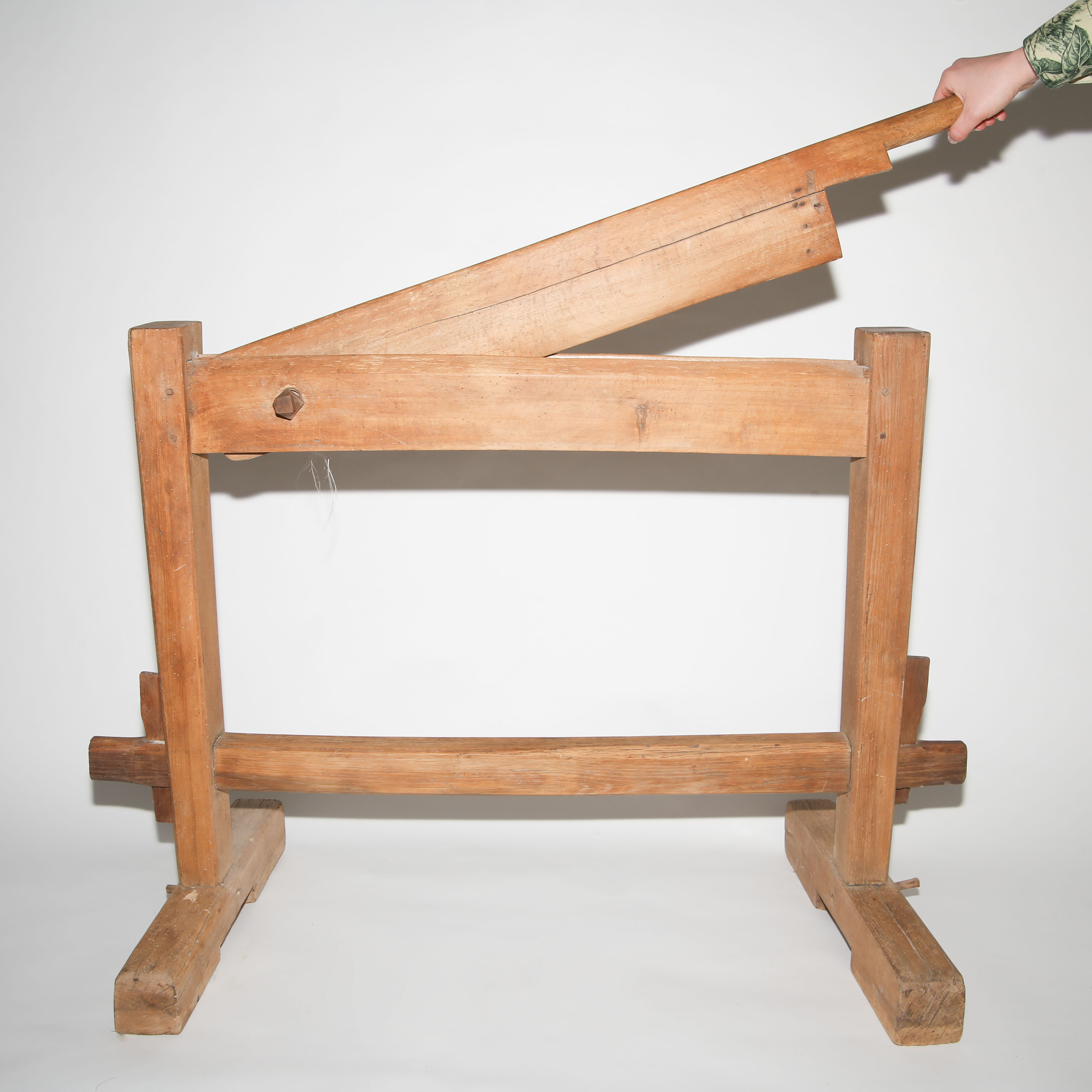
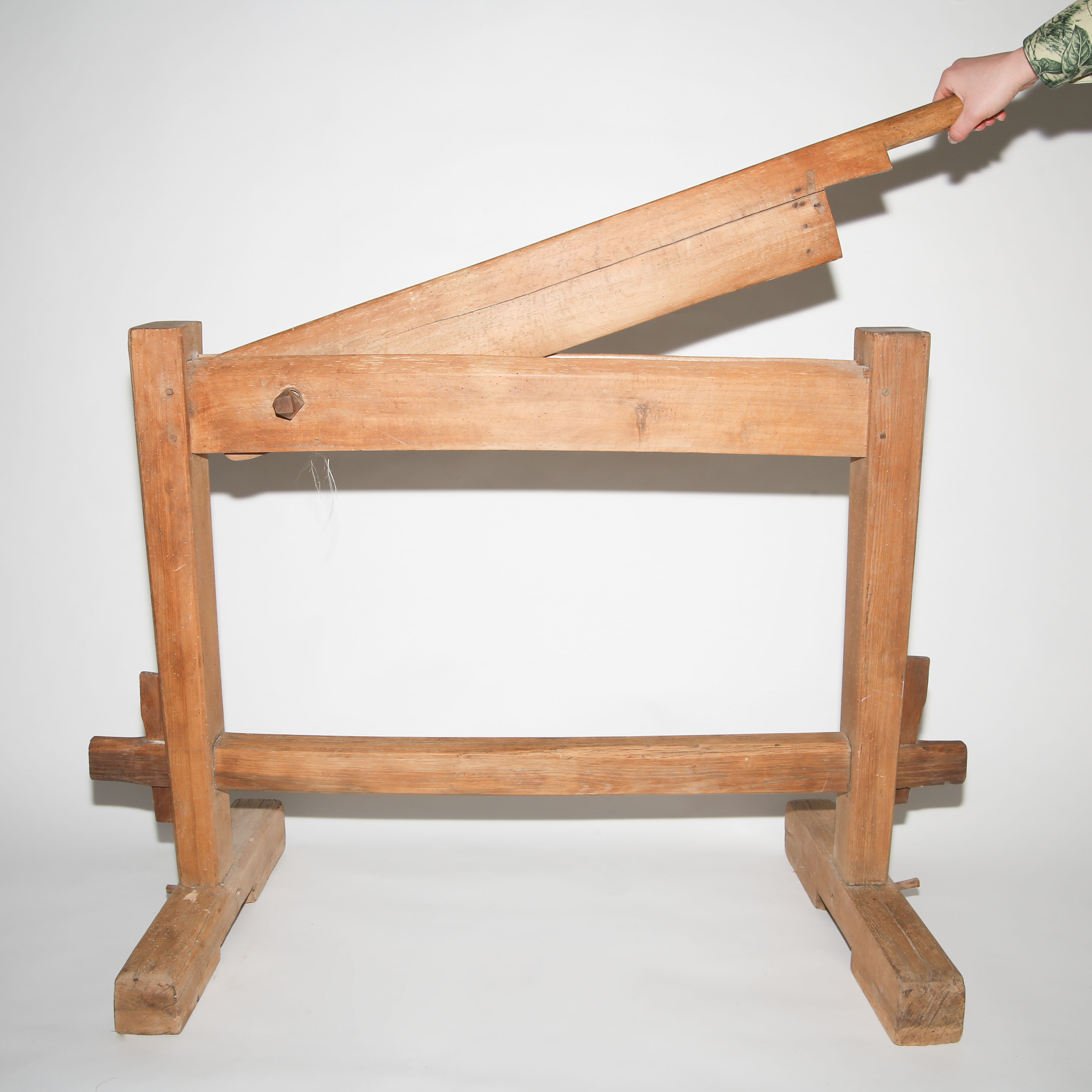
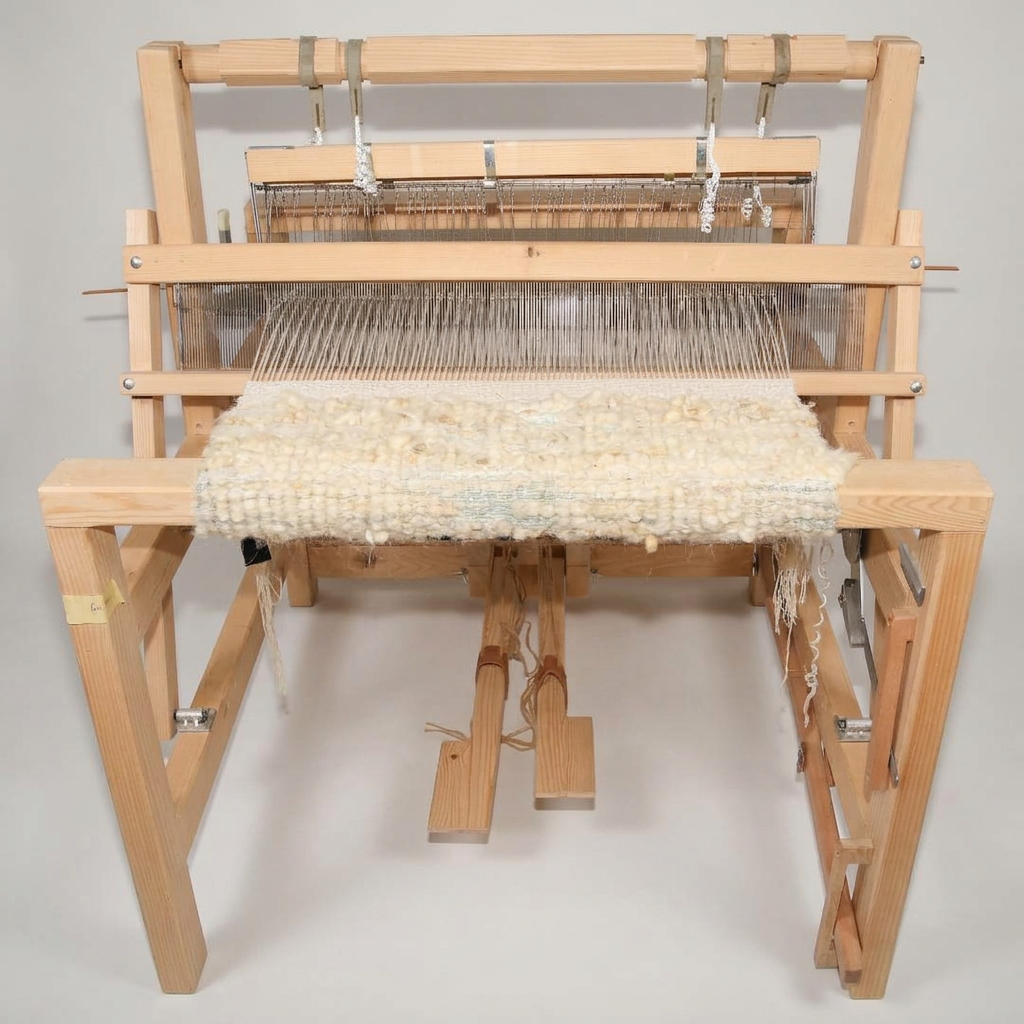
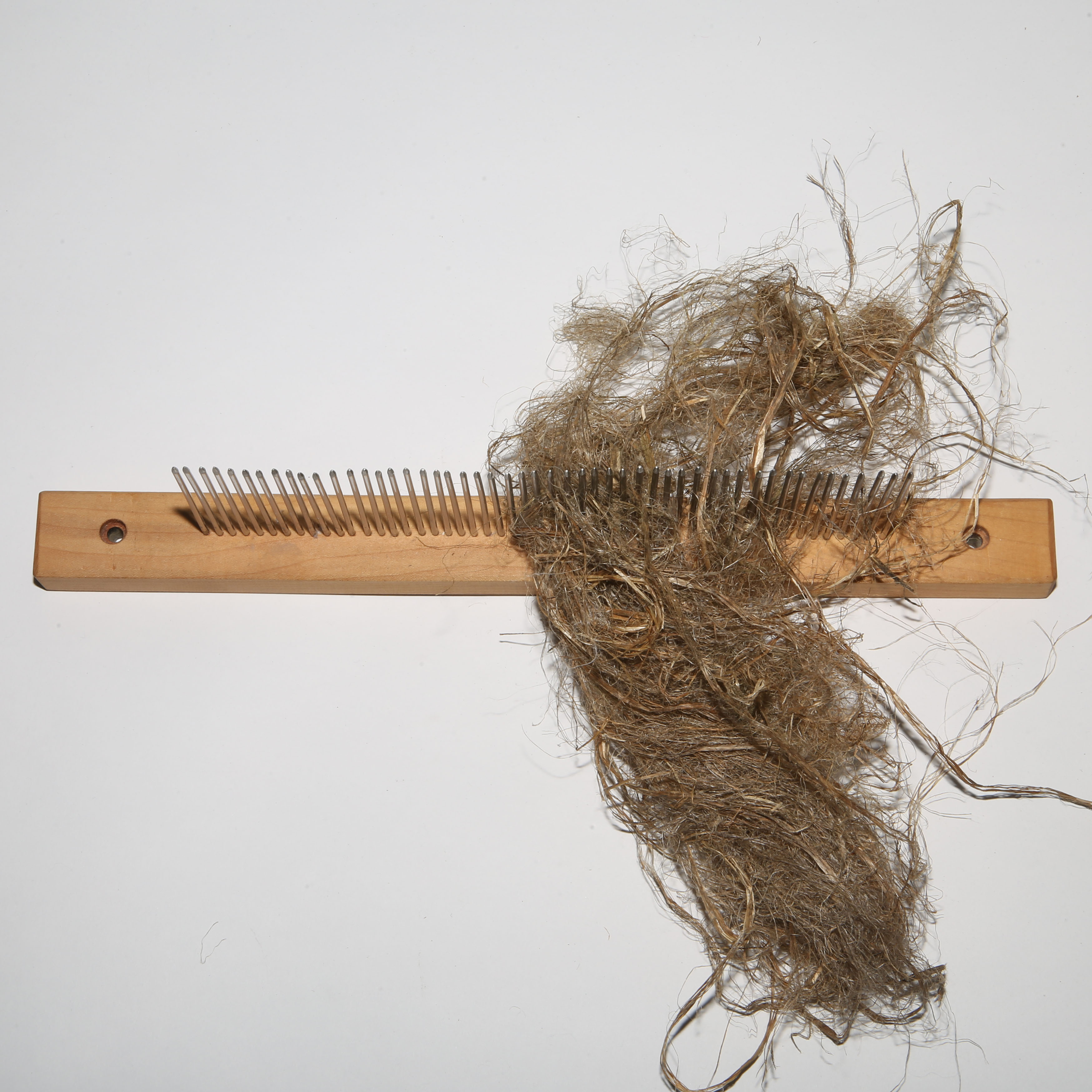
Processing hemp fibre involved several steps: after harvesting, the stems were dried and then soaked in water (retting) to separate the fibres from the woody core. The fibres were then broken, combed, and spun into yarn, which was woven into fabric or used for rope and cord production. Until the early 20th century, this was mostly manual work, often performed by women and children.
Peak and decline of hemp textiles
Hemp textiles reached their peak in Europe between the 15th and 18th centuries, when they formed the basis of naval industries and everyday life. For example, in the 17th century, during the height of sailing ships, hemp was used for almost all ship ropes, sails, and sailors’ uniforms. In Italy and France, hemp became a strategic crop and an important export commodity.
With the Industrial Revolution and the rise of cotton and later synthetic fibres, the importance of hemp textiles declined. In the 20th century, legislative restrictions on hemp cultivation also contributed to its decline, particularly after the Marihuana Tax Act of 1937 in the USA, which indirectly influenced European production. France was an exception, where cultivation never completely ceased and today remains the largest European producer of hemp fibre.
Renewal of hemp textiles
Since the 1990s, hemp cultivation and textile use in Europe has experienced a revival, mainly due to its environmental benefits and renewed interest in sustainable materials. Modern processing techniques now allow the production of fine, high-quality textiles suitable for contemporary clothing and home use.
Show more


.jpg)
.jpg)