Materials
Browse our collection of textile materials and discover their properties and uses.
-
Metal threads
Metal threads were used in Slovakia within folk art, especially for decorating traditional folk costumes (kroje), but also other garments and...
-
knitting
-
weaving
Connected with no organizations
-
-
viskóza kukurica _ ingeo
Color: white Fiber length: depending on use Fiber fineness: 1.5 dtex Strength: 30–35 cN/tex Elasticity: 50–75% It has excellent properties for...
Connected with no organizations
-
-
viskóza morské riasy
Seaweed viscose represents one of the latest innovations in functional textile materials, combining the traditional properties of viscose fiber with...
Connected with no organizations
-
Goat hair fabric
Goat hair is a natural textile material obtained from the fleece of various goat breeds, most notably Angora goats (mohair), Cashmere goats...
Connected with no organizations
-
viskóza perlet
Pearl viscose (“mother-of-pearl viscose”) is a special variant of viscose fiber characterized by a distinct silky sheen and an optical effect...
Connected with no organizations
-
Elastic 100% linen fabric
Elastic 100% linen fabric is a unique natural textile material made exclusively from fibers of flax (Linum usitatissimum), where elasticity is...
Connected with no organizations
-
viskóza lotos
Lotus viscose is a special type of viscose fiber in which cellulose is obtained from fibers of the lotus flower (Nelumbo nucifera). It is a rare and...
Connected with no organizations
-
celofán (celulóza)
Cellophane is a thin, transparent film made from chemically regenerated cellulose and is considered one of the oldest artificial materials derived...
Connected with no organizations
-
Hemp woven composite
A woven hemp composite is a modern ecological material formed by combining woven hemp fabric (made from long natural bast fibers) with a polymer or...
Connected with no organizations
-
Hemp nonwoven composite
A nonwoven hemp composite is a modern ecological material created by combining disintegrated hemp biomass (mainly fibers and sometimes hurd) with...
Connected with no organizations
-
Flax woven composite
A woven flax composite is an innovative material that combines woven flax fabric with a polymer or natural matrix, most commonly bio-based or epoxy...
Connected with no organizations
-
Flax nonwoven composite
A nonwoven flax composite is an eco-friendly material created by combining disintegrated flax biomass (short fibers, waste fractions, or secondary...
Connected with no organizations
-
Banana fabric from chenille yarn
Banana fabric made from chenille yarn is a natural material produced from fibers obtained from banana plant pseudostems, which are then processed...
Connected with no organizations
-
Cotton-linen yarn
Cotton–linen yarn is a blended textile yarn produced by combining fibers of cotton (Gossypium) and flax (Linum usitatissimum), typically in ratios...
Connected with no organizations
-
Cotton-linen priast
“Priast” is the result of manual or machine spinning of textile fibers (such as cotton, flax, or wool) into a yarn or thread suitable for weaving,...
Connected with no organizations
-
Fake angora
Fake angora is a textile material that imitates the properties of real angora fiber (from the Angora rabbit), but it is mainly made from cheaper raw...
Connected with no organizations
-
Jute fabric
Jute fabric is a natural textile material woven from the fibers of the jute plant (Corchorus olitorius, C. capsularis), also known as “golden fiber”...
Connected with no organizations
-
Jute hessian
Jute hessian (also known as burlap) is a coarse, loosely woven textile made from fibers of the jute plant (Corchorus olitorius, Corchorus...
Connected with no organizations
-
Paper yarn
Paper yarn is a special textile material made by twisting narrow strips of paper, typically produced from plant-based fibers such as abaca, hemp,...
Connected with no organizations
-
-
Knitted yarn
It is a structured type of yarn in which, instead of twisting multiple strands together in a conventional spin, the fibers are formed through a...
Connected with no organizations
-
Polyester yarn
Polyester yarn is a synthetic textile material produced by spinning the polymer polyethylene terephthalate (PET), most commonly derived from...
Connected with no organizations
-
Dogbane rope
Dogbane (Apocynum cannabinum), also known as “Indian hemp,” is a fibrous plant native to North America that has been used for thousands of years in...
Connected with no organizations
-
Industrial knitted fabric
Industrial knitted fabric is a flat textile material produced by interlooping yarns into a series of connected loops using knitting machines, with...
Connected with no organizations
-
Wool-flax composite
Wool–flax composite is a modern nonwoven material created by combining animal (sheep wool) and plant (flax) fibres in an unspun, non-interwoven...
Connected with no organizations
-
sklenené vlákna
Glass fiber is an inorganic material produced by melting and subsequently drawing a carefully selected mixture of silicon dioxide (SiO₂) and other...
Connected with no organizations
-
Wool-linen blended fabric
Wool–linen blended fabric is a textile material created by combining animal fibres (sheep’s wool) and plant fibres (flax) in proportions that...
Connected with no organizations
-
plstená vlna
Felted wool is a traditional natural material made from sheep’s wool or other animal fibers through a process called felting, in which fibers that...
Connected with no organizations
-
Jacquard fabric
Jacquard fabric is a type of luxurious woven textile produced on a special loom equipped with a Jacquard mechanism, which enables the creation of...
Connected with no organizations
-
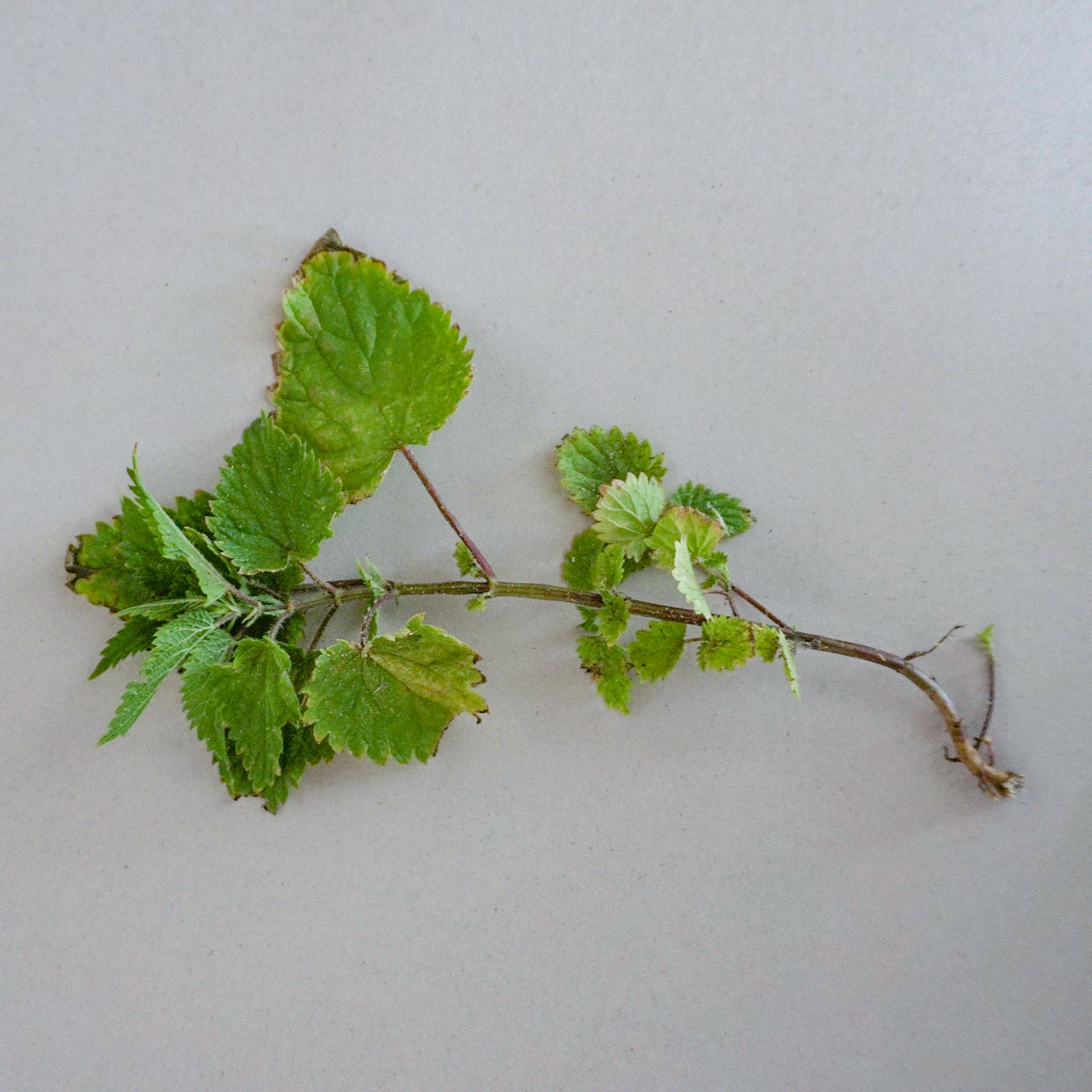
Urtica Girardinia
Girardinia (Himalayan nettle, Girardinia diversifolia) is a plant-based material—specifically a bast-fibre nettle native mainly to the Himalayas and...
Connected with no organizations