Materials
Browse our collection of textile materials and discover their properties and uses.
-
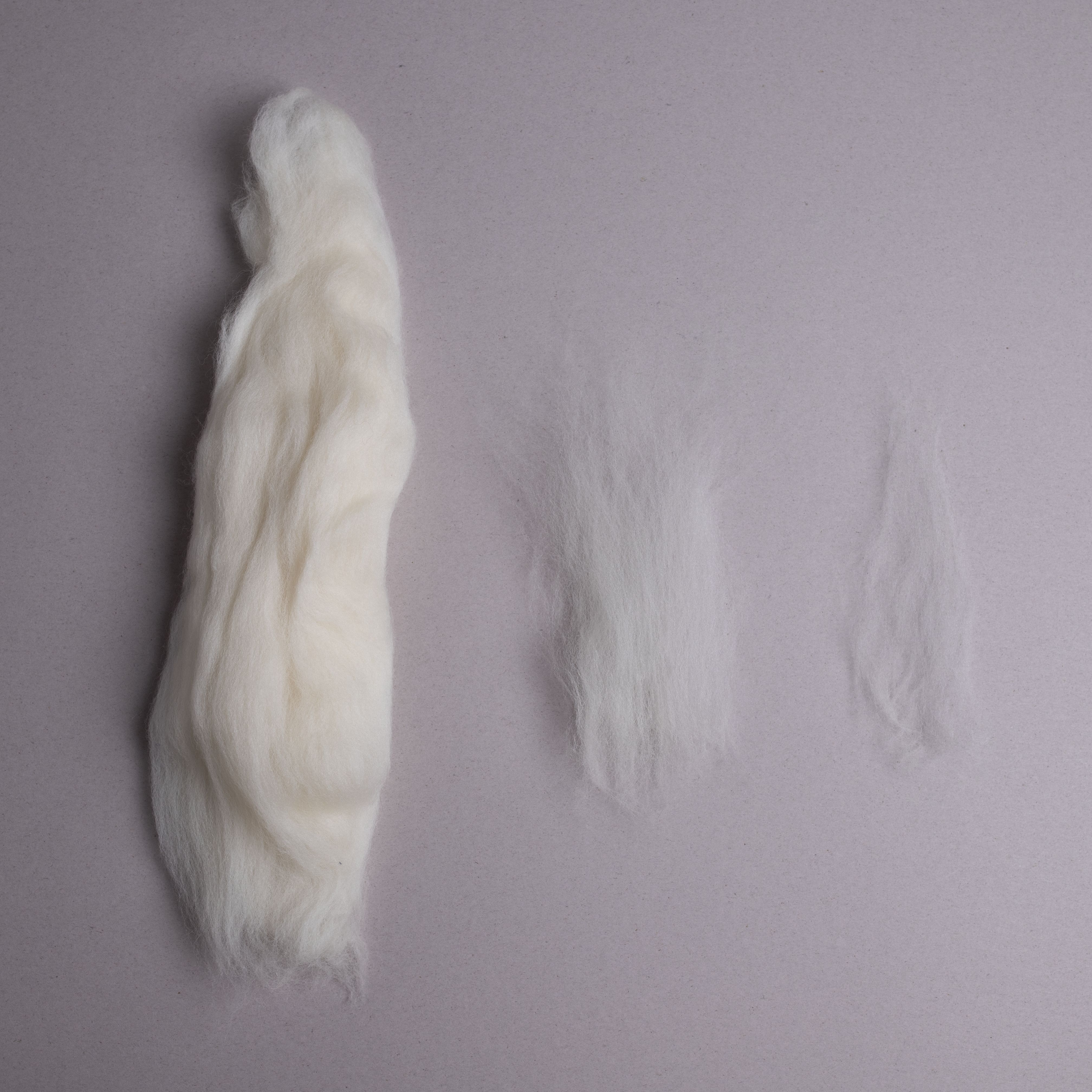
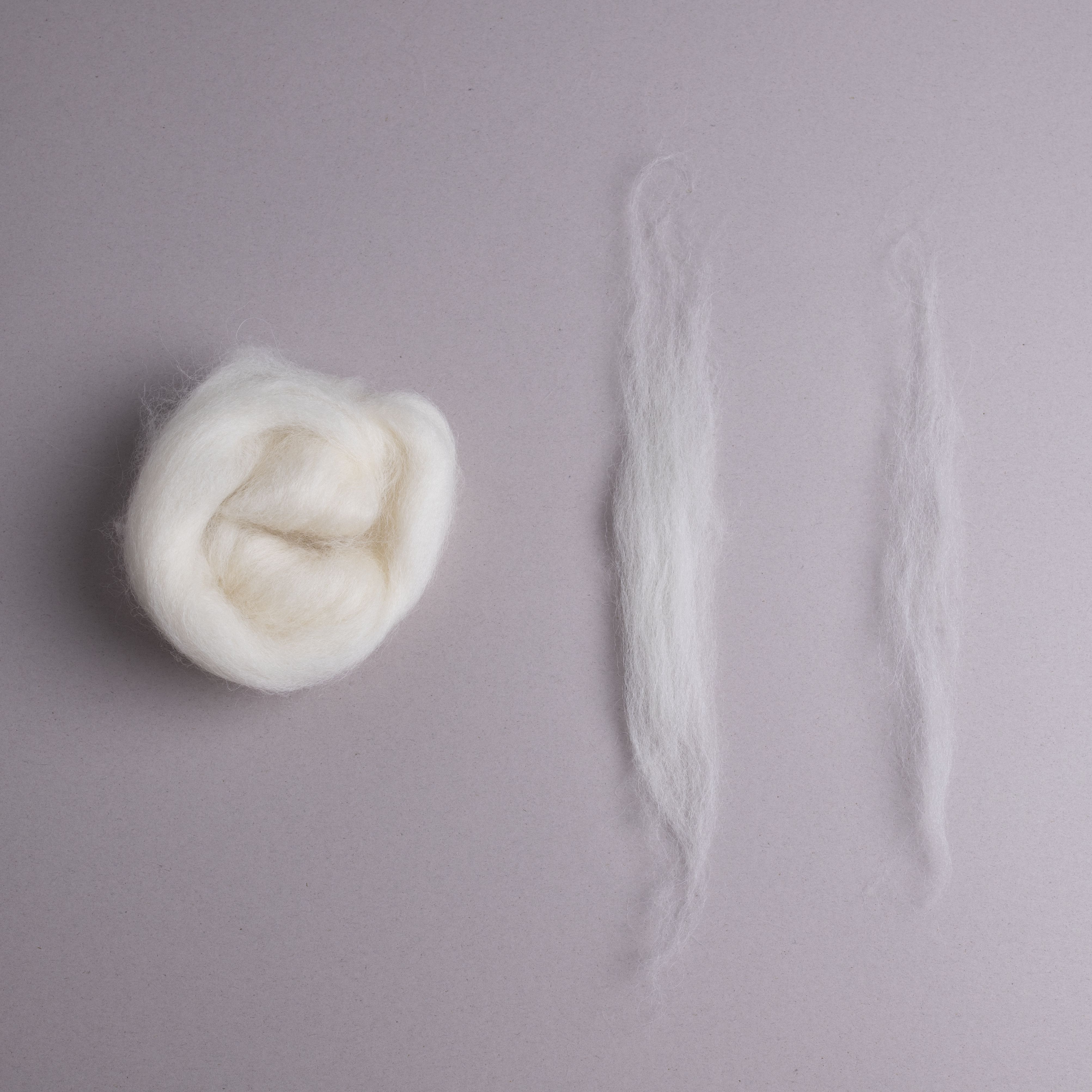
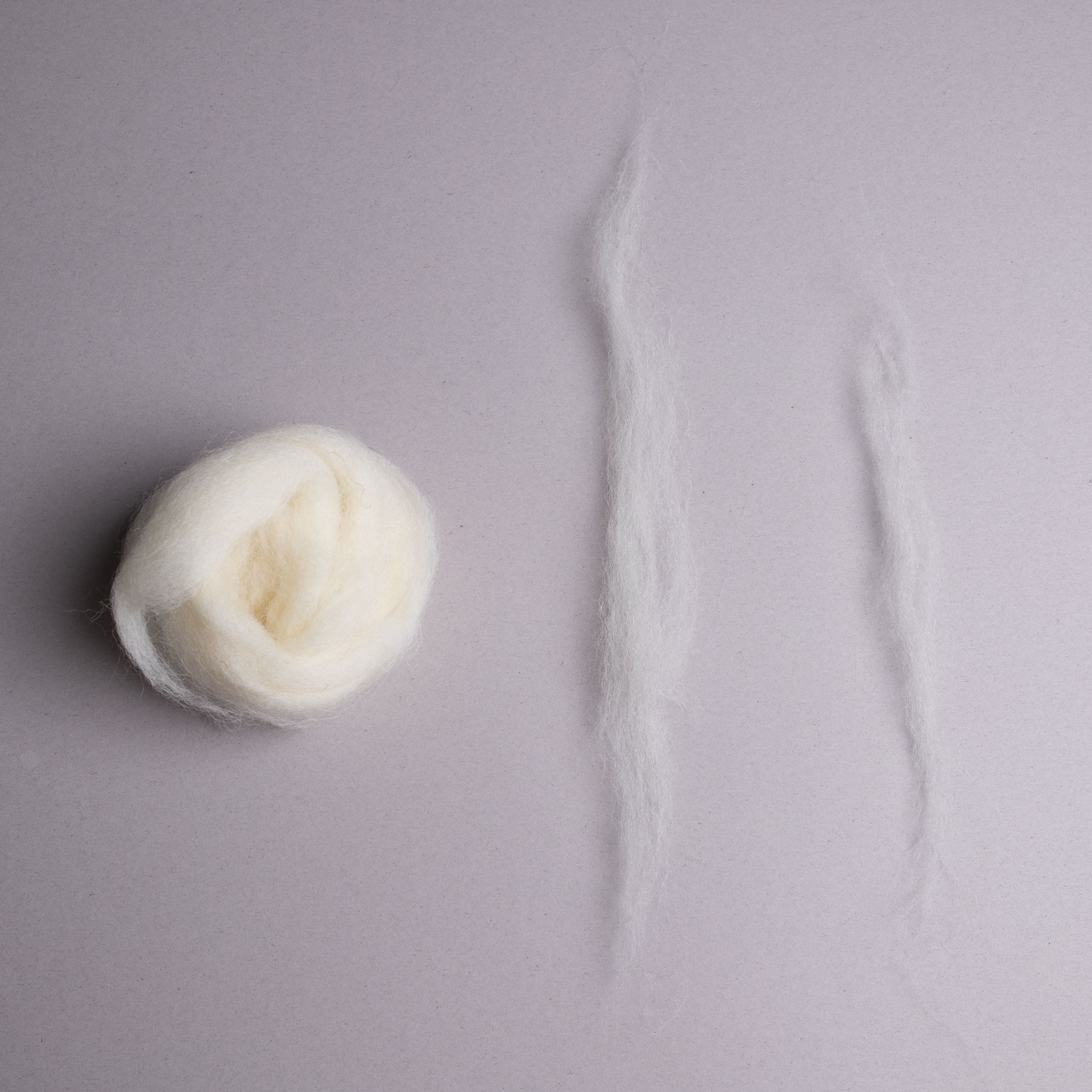
Merino d'arles
A traditional sheep breed from southern France (especially the Provence and Crau regions), developed in the early 19th century by crossing local...
Connected with no organizations
-
.jpg)
Linen cloth
Linen fabric (linen cloth) is a classic woven textile made from bast fibers of the flax plant (Linum usitatissimum), and it is considered one of the...
Connected with 1 organization
-
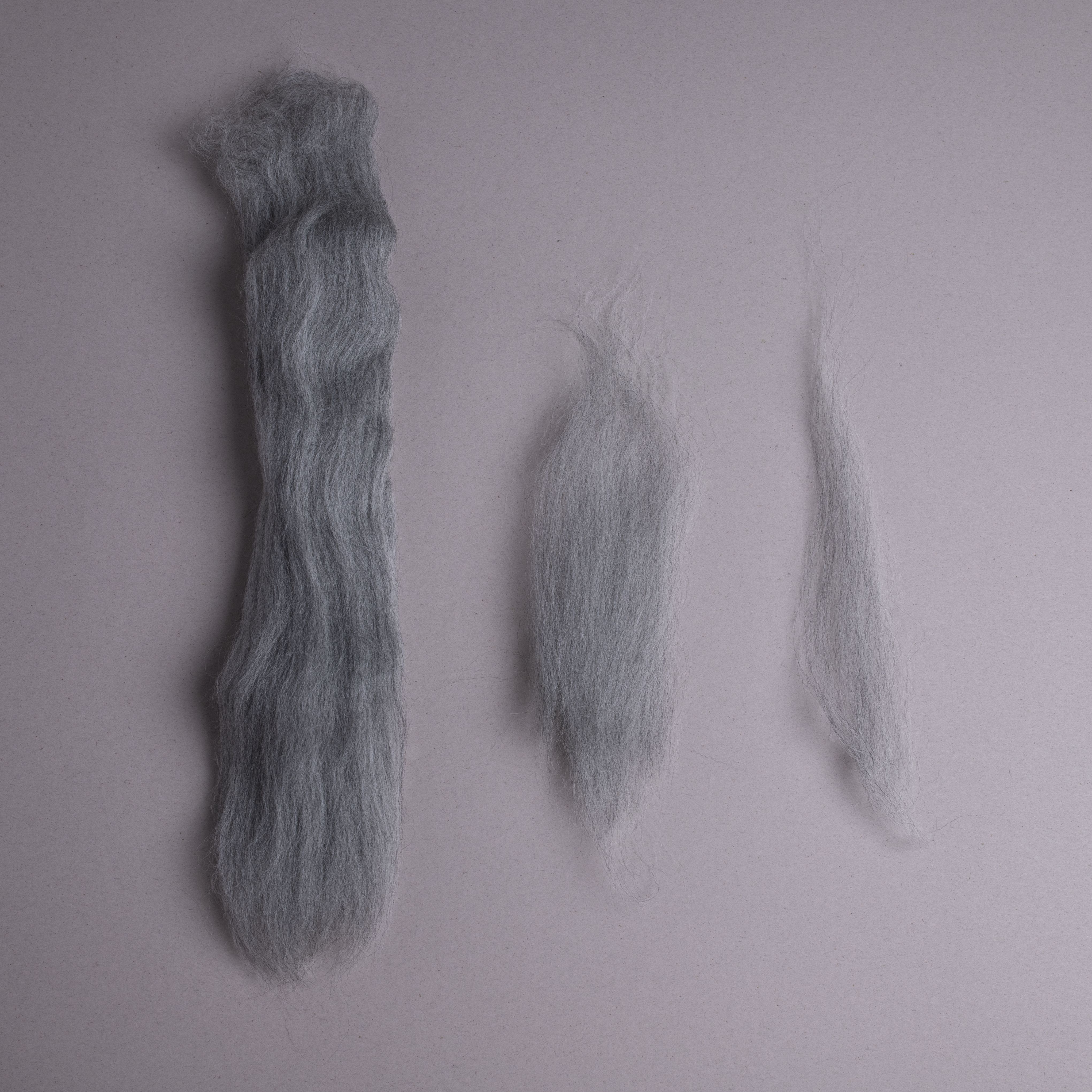
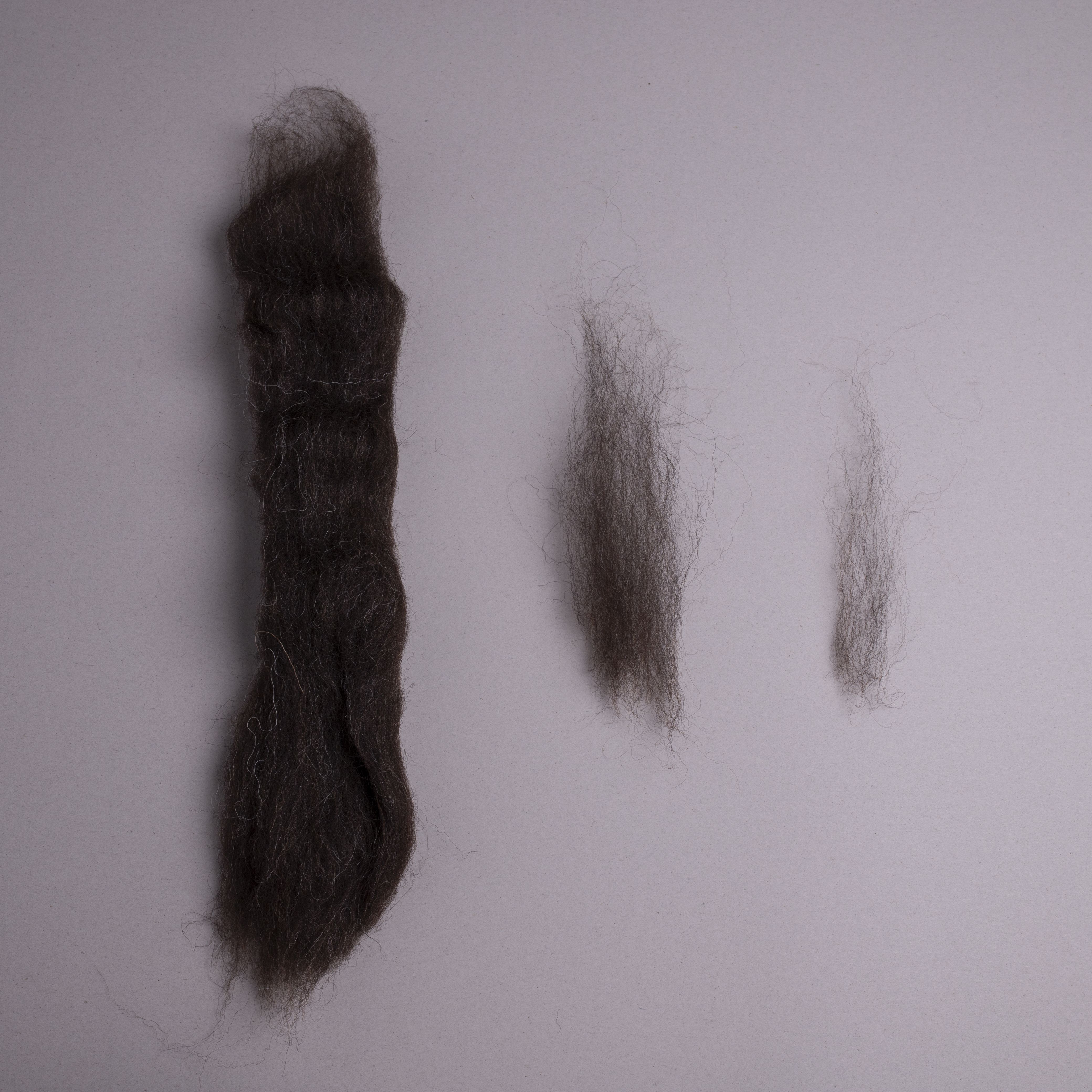
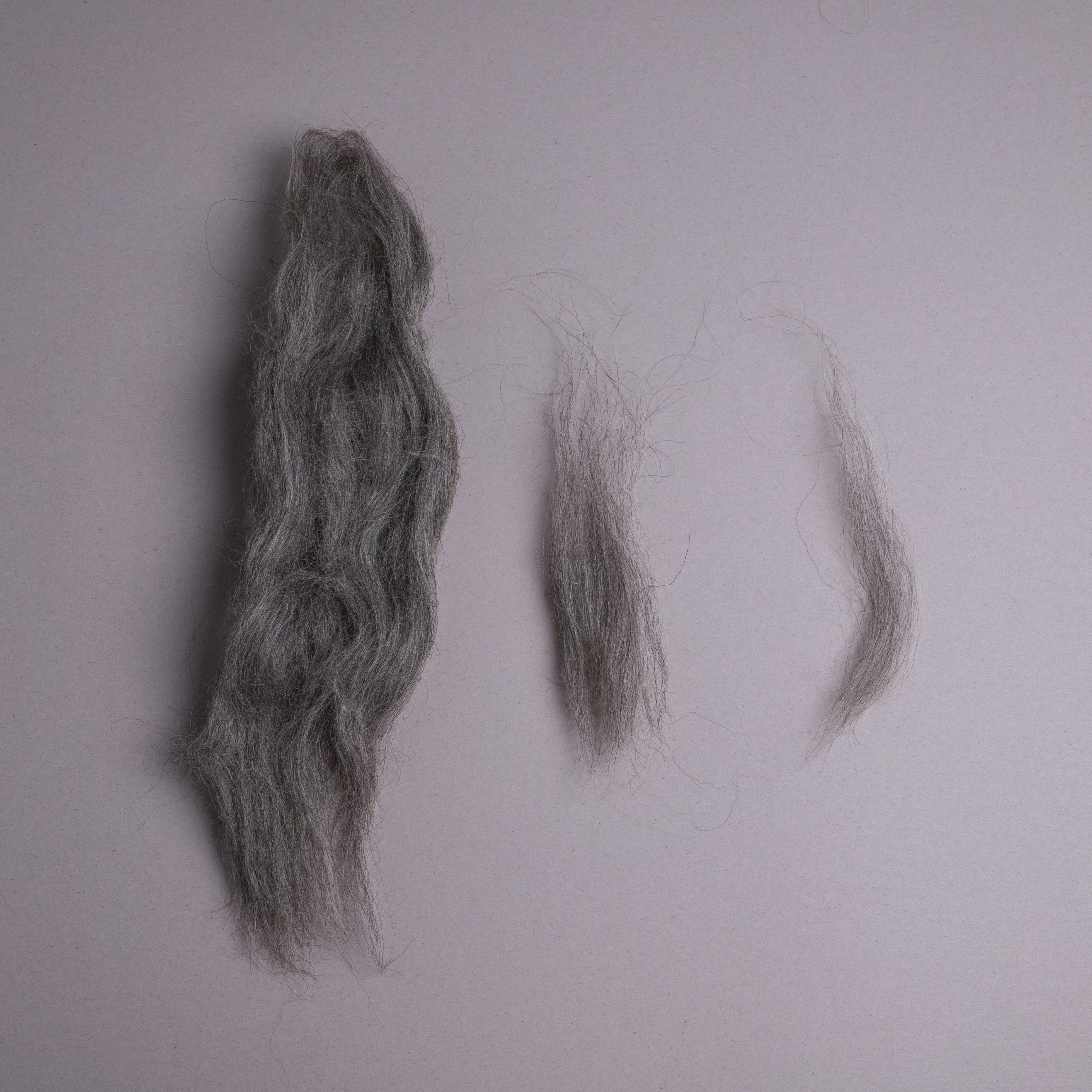
Merino melír
Merino wool comes from sheep of the Merino breed, which originates from Spain. In the 18th and 19th centuries, Merino sheep began to spread to other...
Connected with no organizations
-

Roma woven tape
A braid or tape with a ribbed (rips) weave made from yellow cotton yarn. Originally, such tapes were made from hemp and flax yarns in natural color,...
-
weaving
Connected with no organizations
-
-
Tablet-woven bands
A belt or sash (opasovačka, posek) is an accessory of women’s, and more rarely men’s, traditional clothing. Women’s belts were used to cinch the...
Connected with no organizations
-
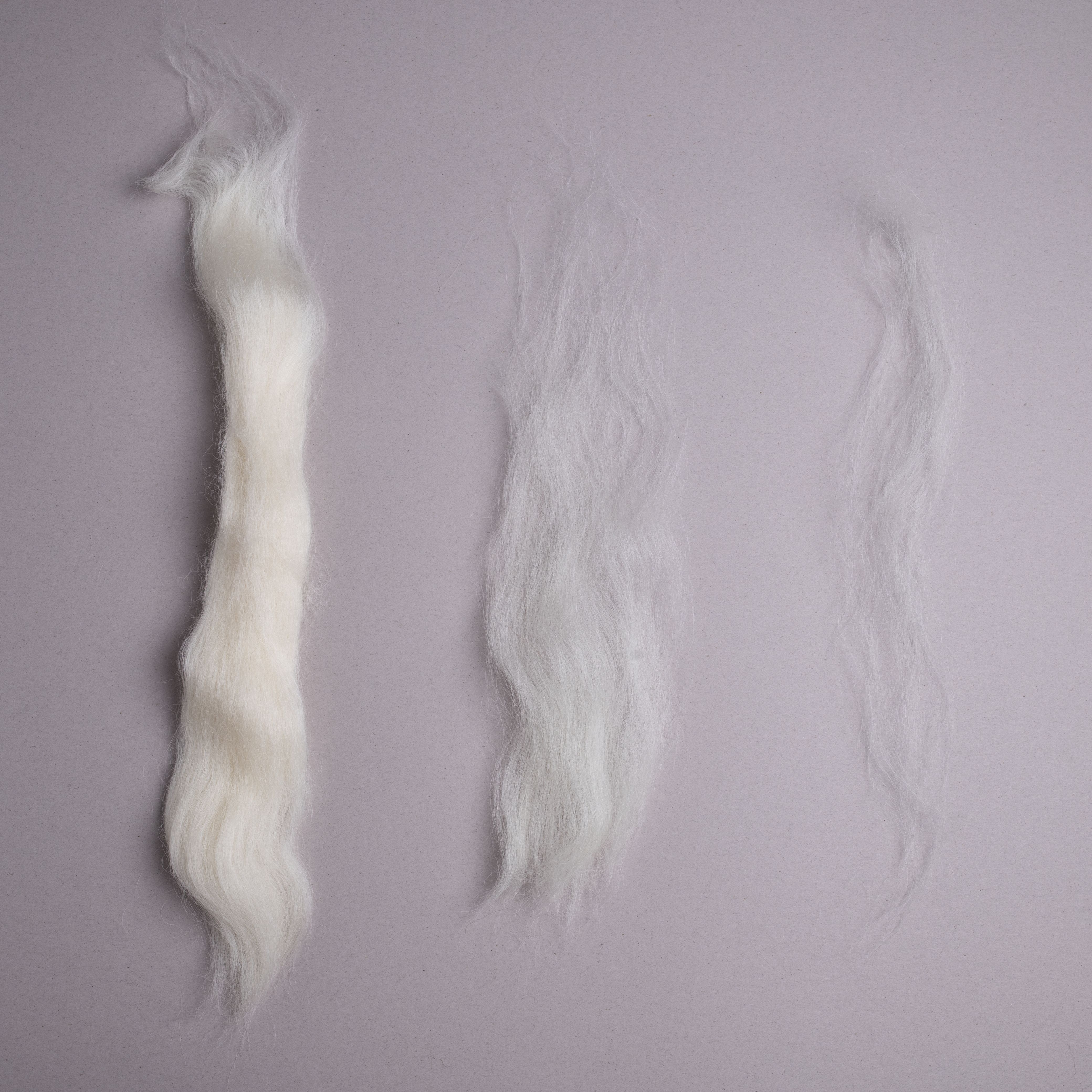
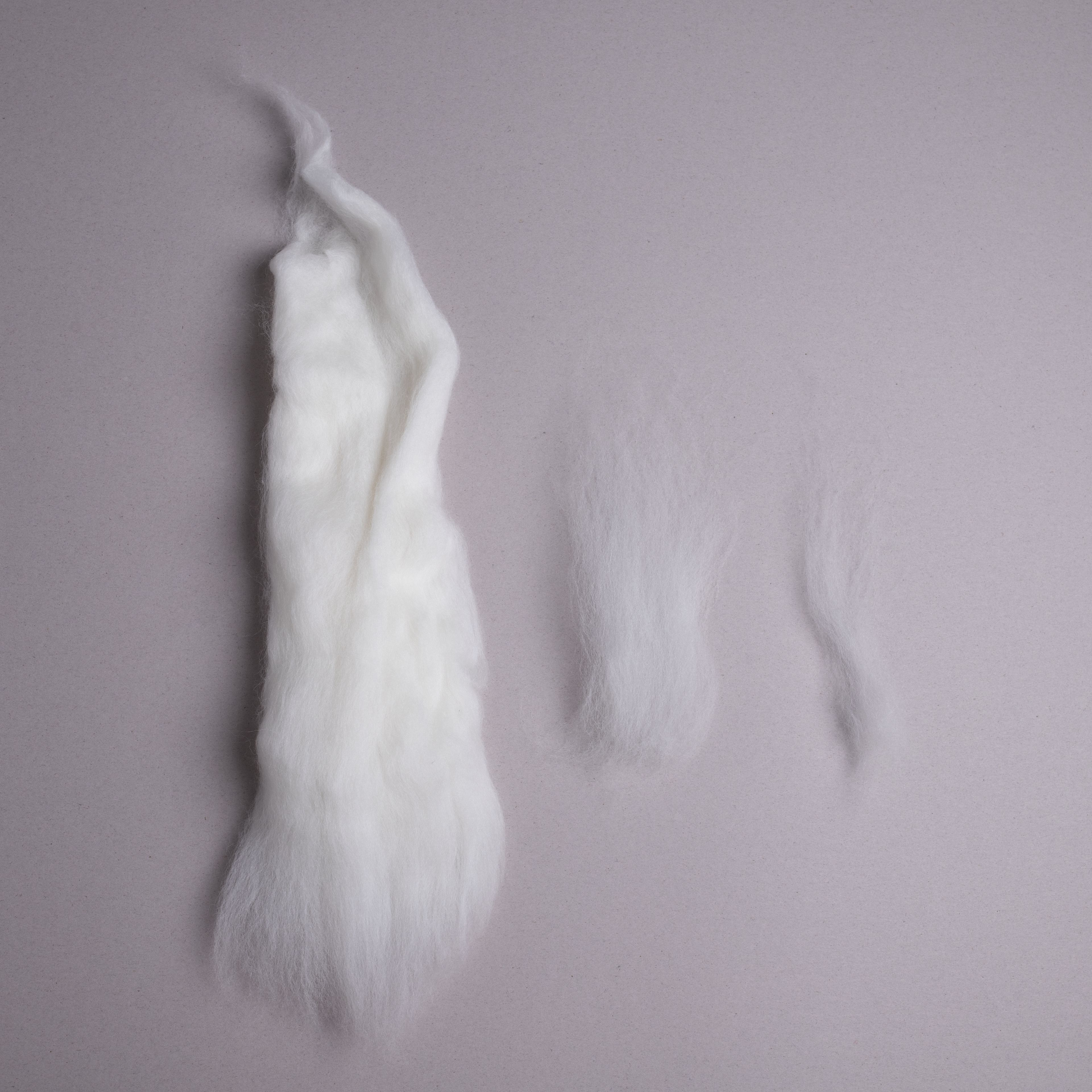
Wensleydale
It is a typical British longwool fibre from the Wensleydale sheep breed. The wool has fine, long, silky curls with a wavy structure and very little...
Connected with no organizations
-
Wool insulation
Wool insulation is an eco-friendly insulating material obtained from sheep’s wool (either raw fleece or recycled wool textiles). The use of sheep’s...
Connected with no organizations
-
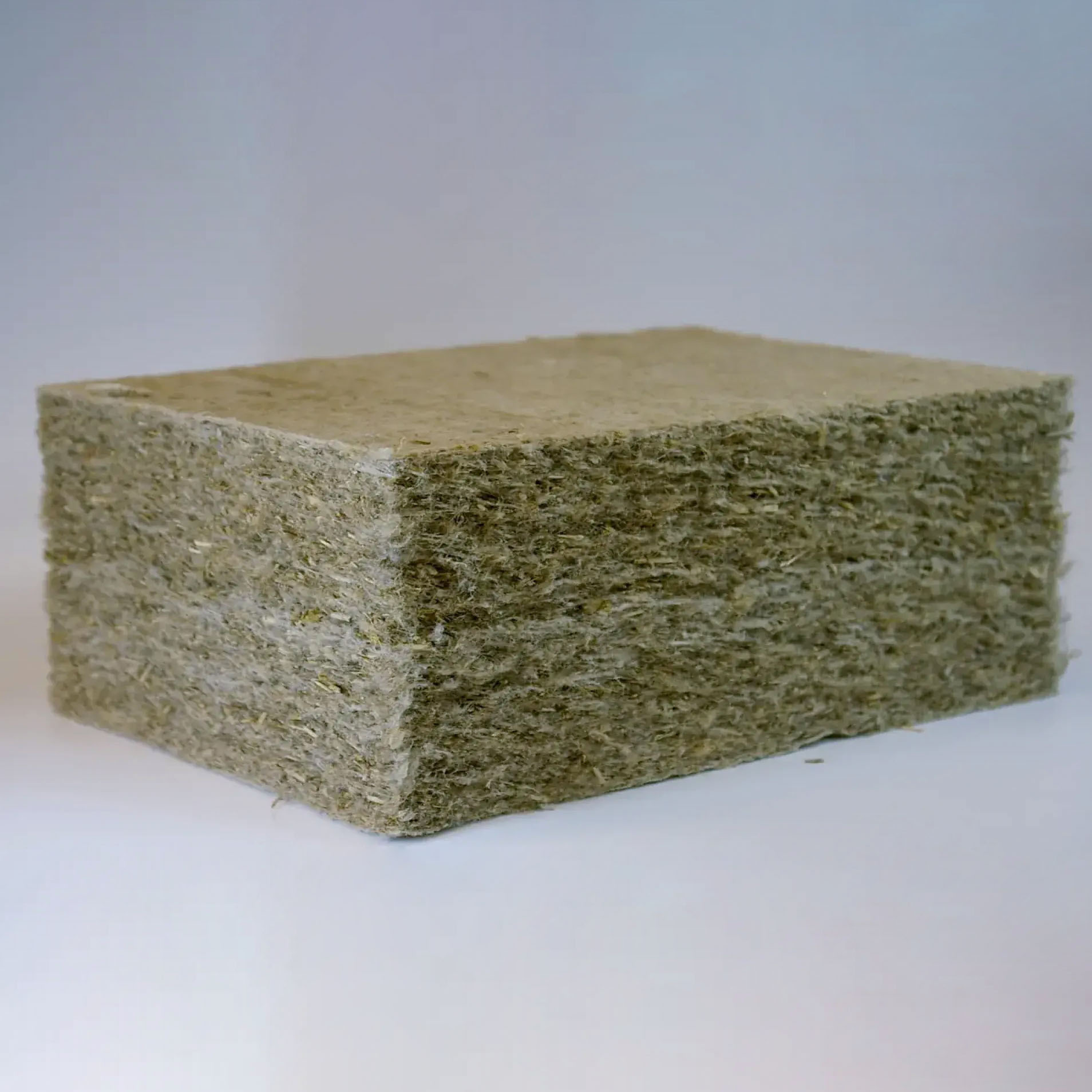
Hemp insulation
Hemp insulation is an eco-friendly material made from fibres or hurd (shives) of industrial hemp (Cannabis sativa). It is highly renewable,...
-
felting
Connected with no organizations
-
-
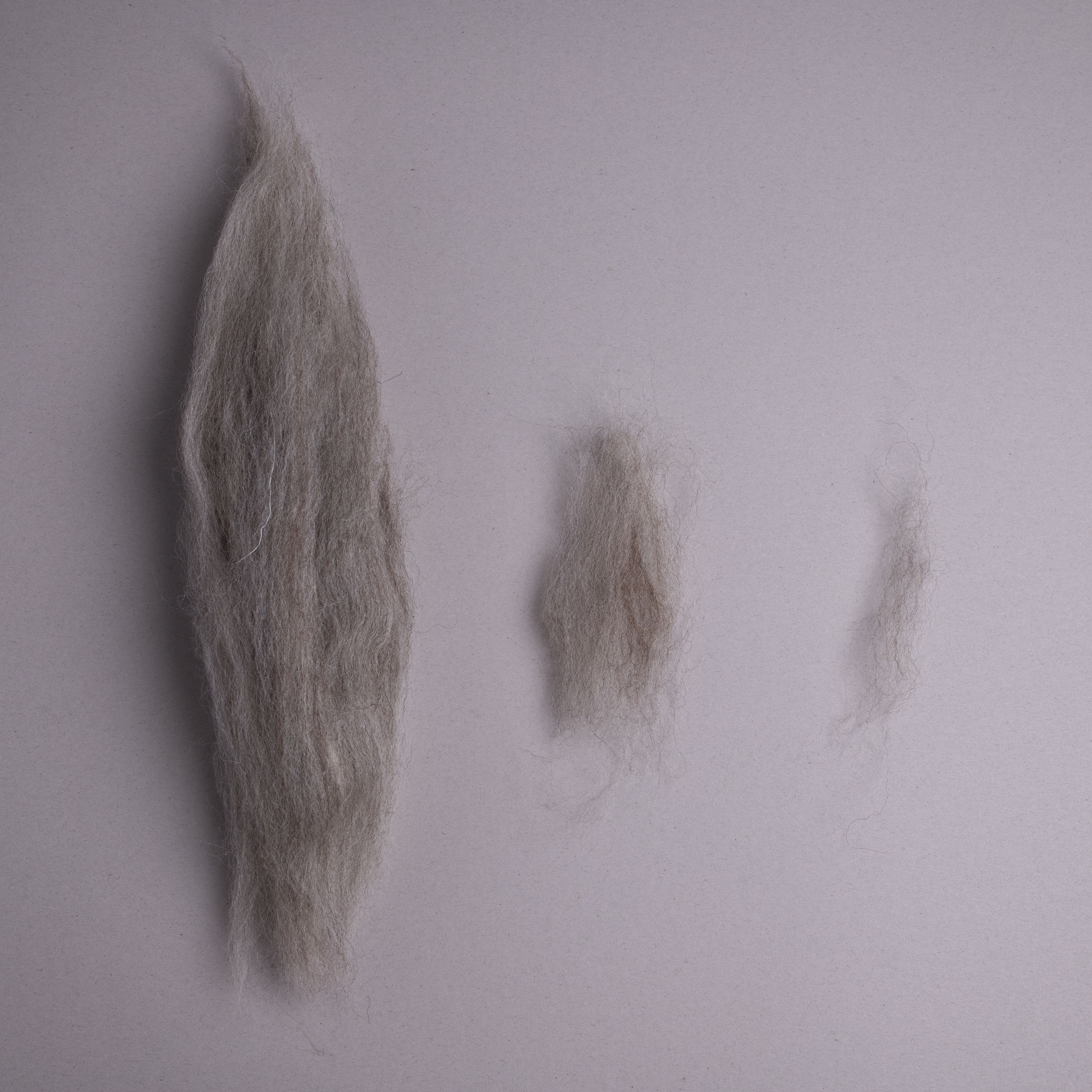
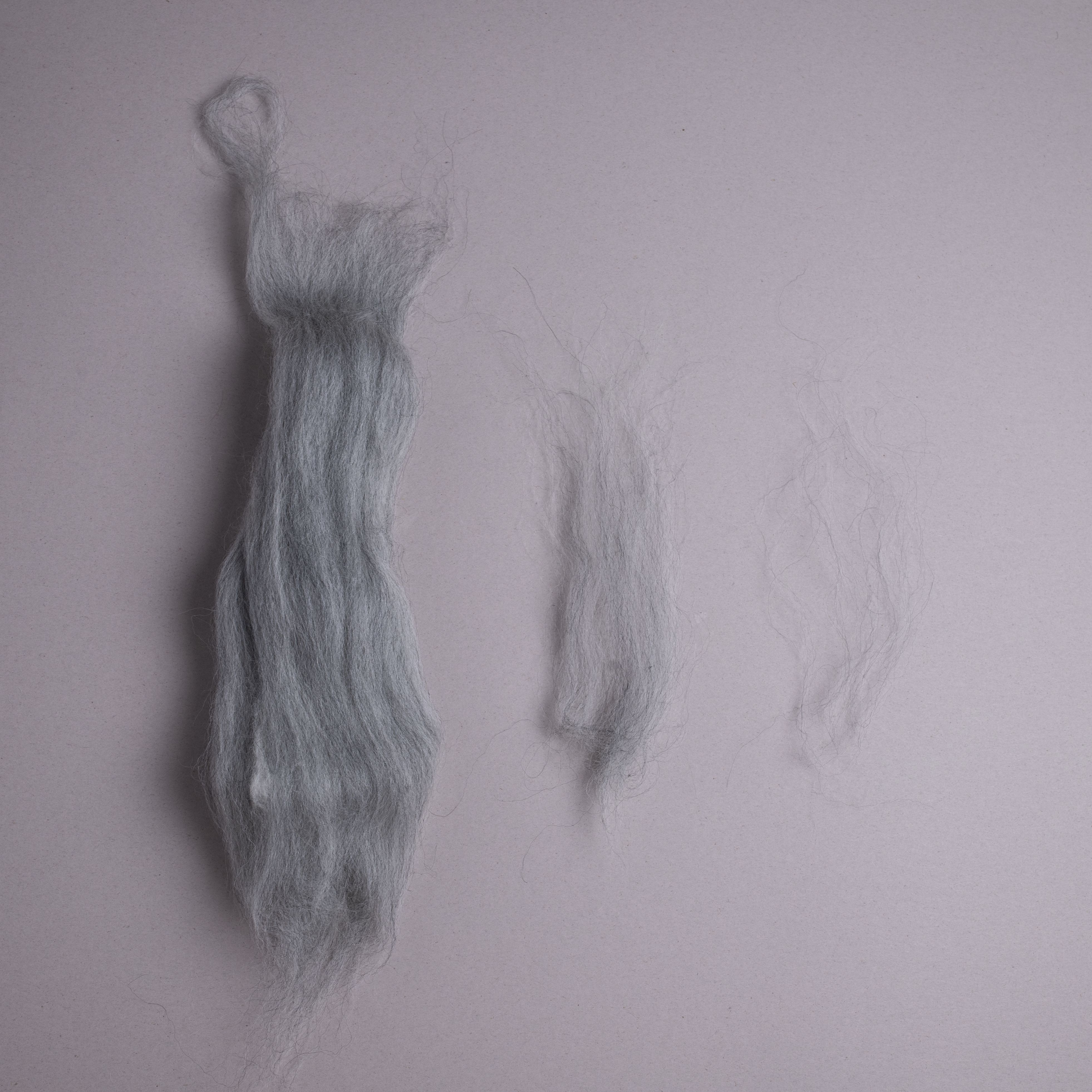
Blue face laichester
It comes from a British sheep breed developed in northeastern England and is among the best-known and most valued British wools. It has a...
Connected with no organizations
-
Hemp-wool insulation
Hemp–wool insulation is a modern natural insulating material that combines fibres from industrial hemp (Cannabis sativa) and sheep’s wool. Since the...
-
felting
-
combing
Connected with no organizations
-
-
.jpg)
Needle lace
A type of self-supporting, openwork textile made by sewing loops, knots, and interlacing threads with a needle. As an independent textile, it was...
Connected with no organizations
-
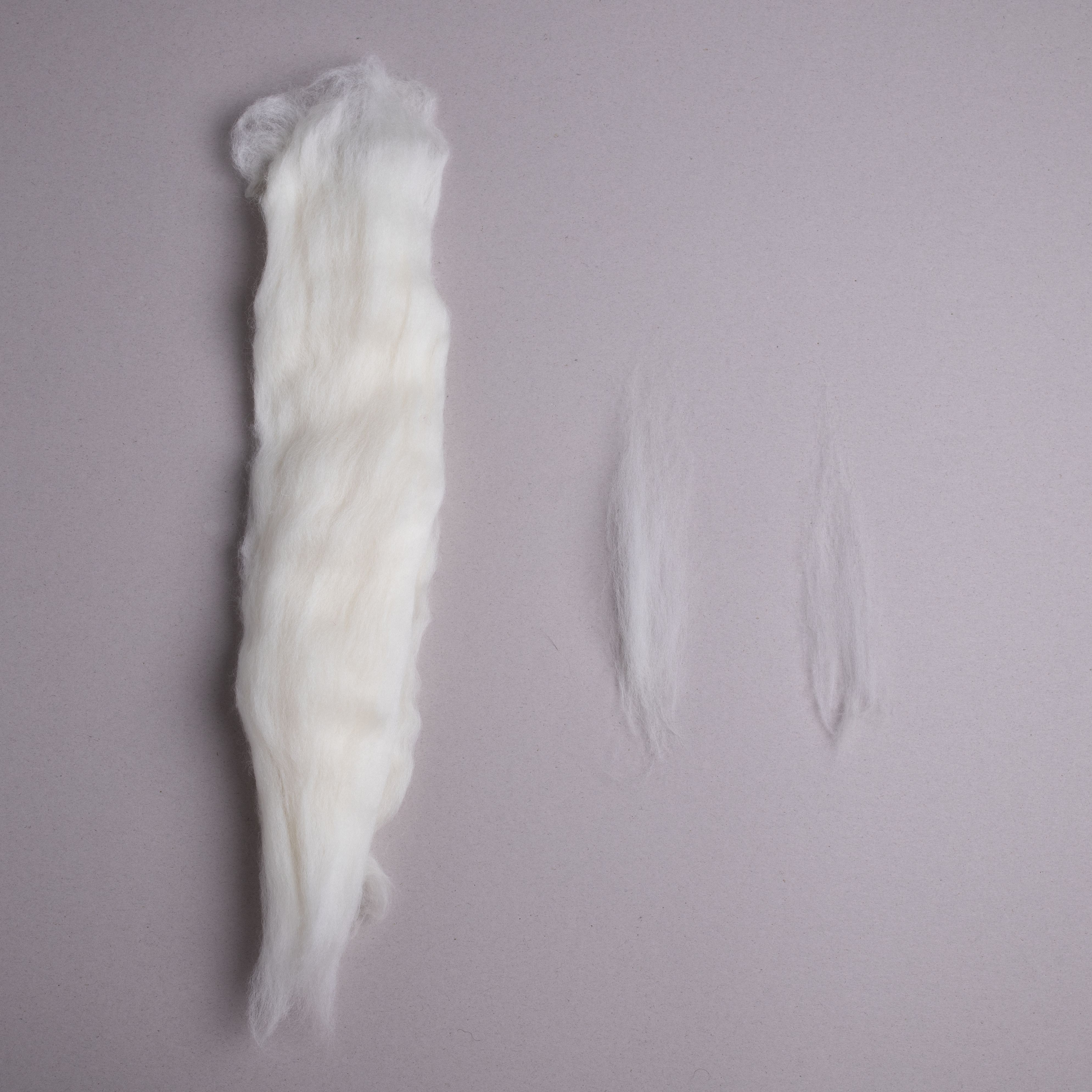
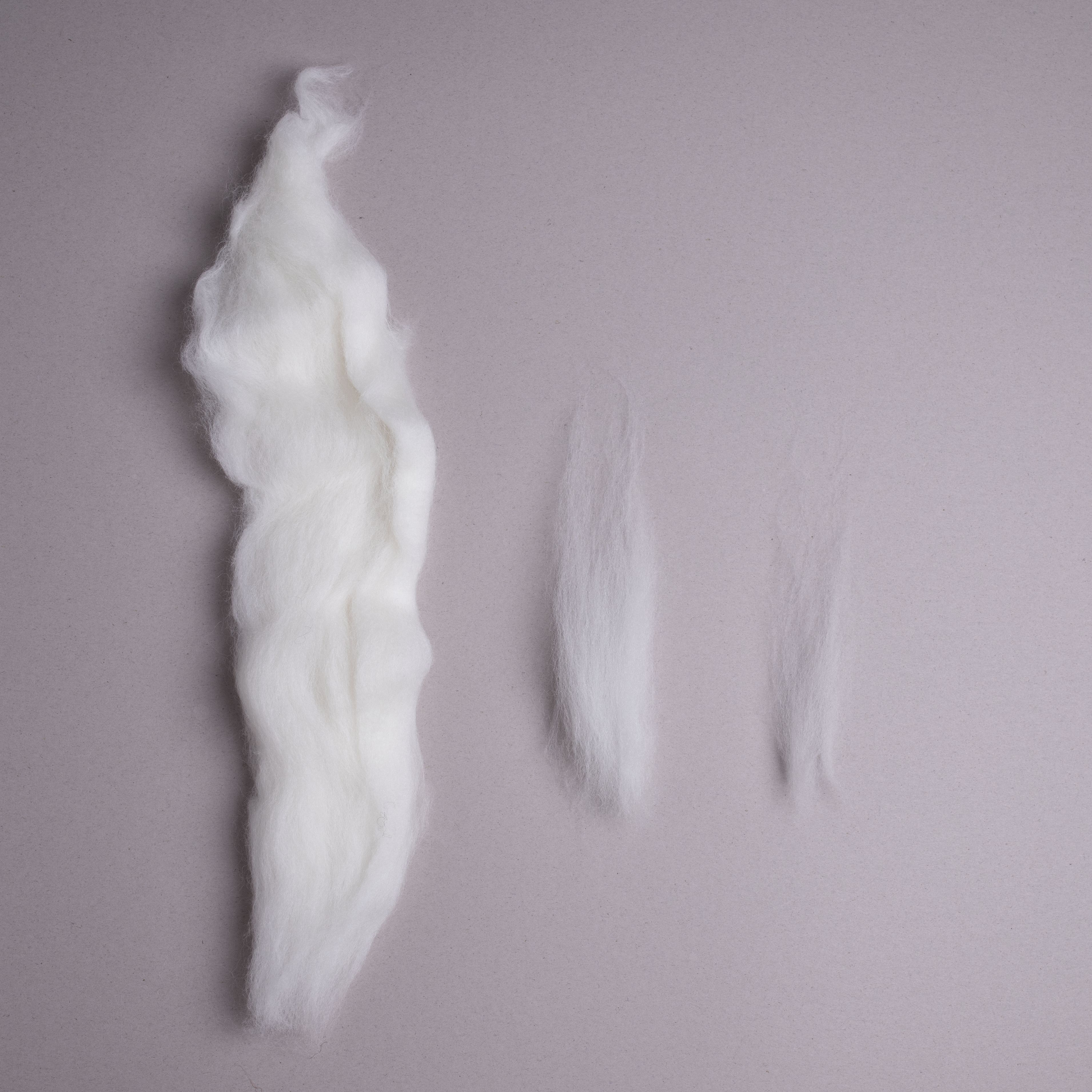
Rambouillet
It is a French sheep breed developed at the end of the 18th century from original Spanish Merino sheep. These sheep are known for their resilience,...
Connected with no organizations
-
Spruce bast
Spruce bast is the inner bark layer (phloem) located beneath the outer bark of the Norway spruce (Picea abies). It is composed mainly of cellulose...
Connected with no organizations
-
Birch bast
Birch bast is a light-coloured, fine, and flexible fibre found beneath the bark of the silver birch (Betula pendula).
Connected with no organizations
-
Alder bast
Alder bast comes from the alder tree and is light-coloured, soft, and relatively flexible.
Connected with no organizations
-
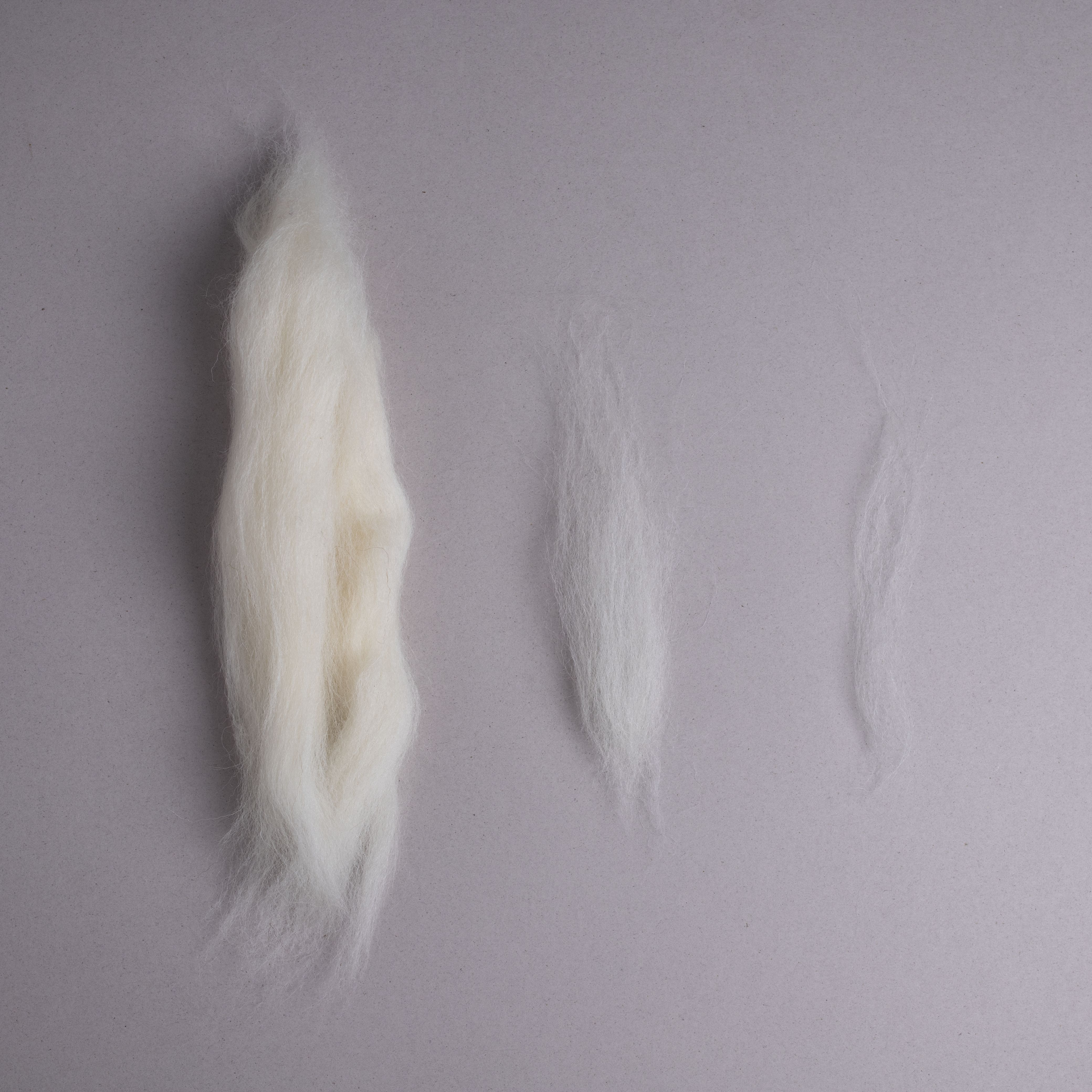
Cheviot/ Blackface
They are traditional British sheep breeds originating from the border regions of England and Scotland, and their wool is often blended to achieve...
Connected with no organizations
-
.jpg)
Húžva (willow withies)
Húžva is a traditional Slovak term for a narrow, long, flexible strip of bast, bark, or wood obtained from trees—most commonly willow, hazel,...
Connected with no organizations
-
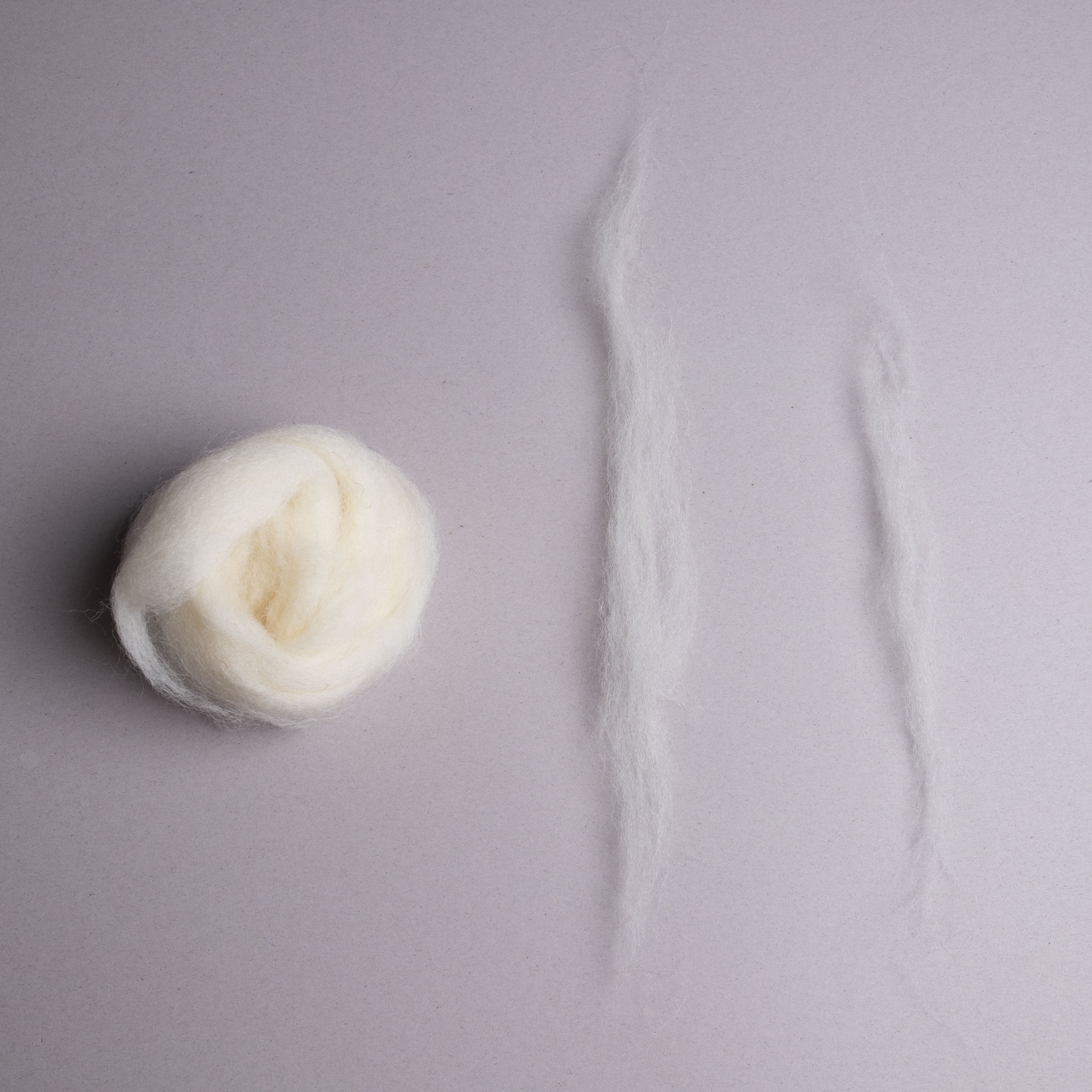
Eider down
Eider down is an exceptionally rare and highly valued natural material obtained from the breast down of the common eider duck (Somateria...
Connected with no organizations
-
angorský králik
The fluffy Angora rabbit was named after the Turkish city of Ankara, which was formerly called Angora, where domestic animals were first actively...
Connected with no organizations
-
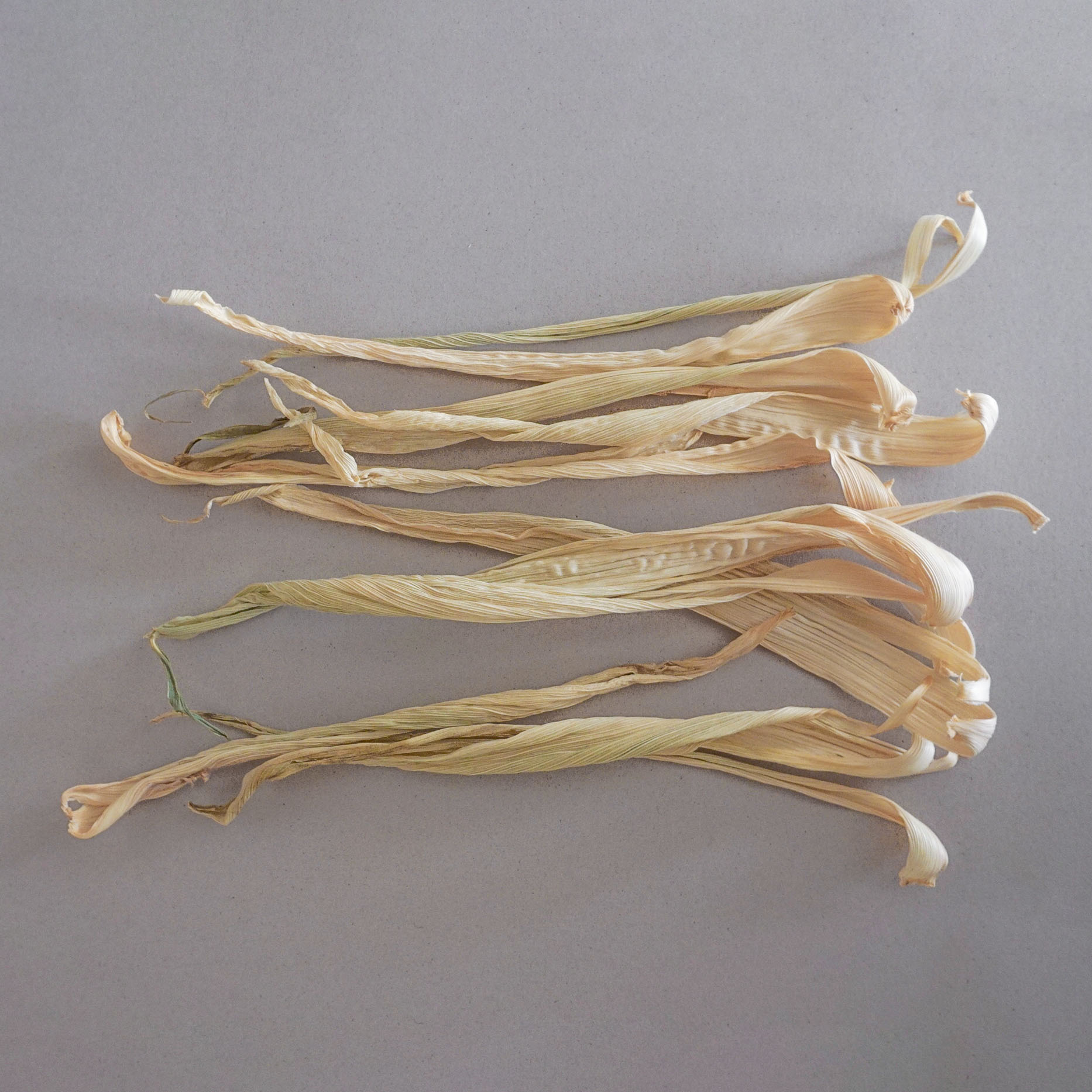
Narrowleaf cattail
Narrowleaf cattail (Typha angustifolia) is a perennial wetland plant. In Slovakia, it was traditionally used for making woven mats and bags called...
Connected with no organizations
-
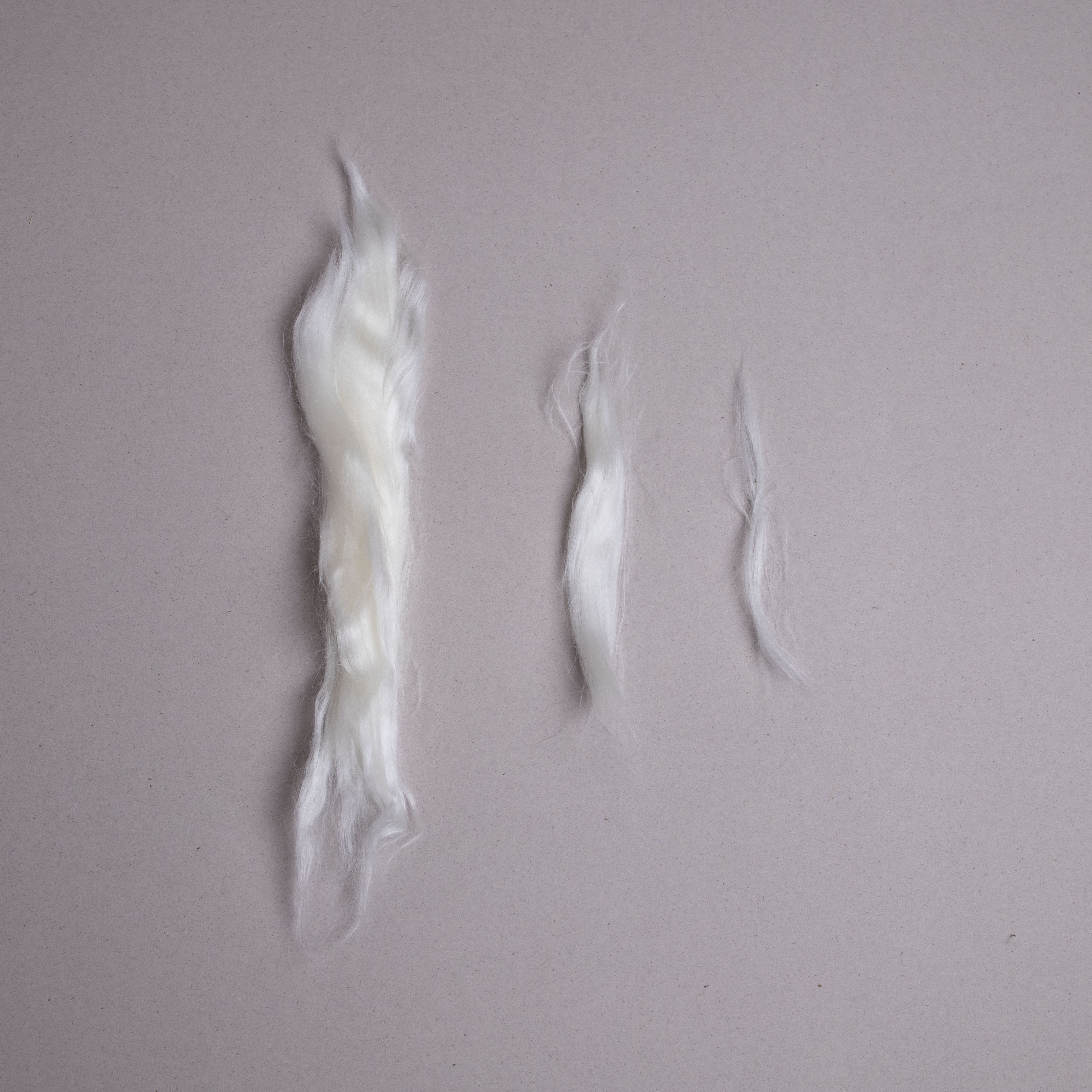
Milk protein
Milk protein, especially casein, is used to produce so-called milk fibre (casein fibre), which belongs to regenerated protein fibres. This fibre is...
Connected with 1 organization
-
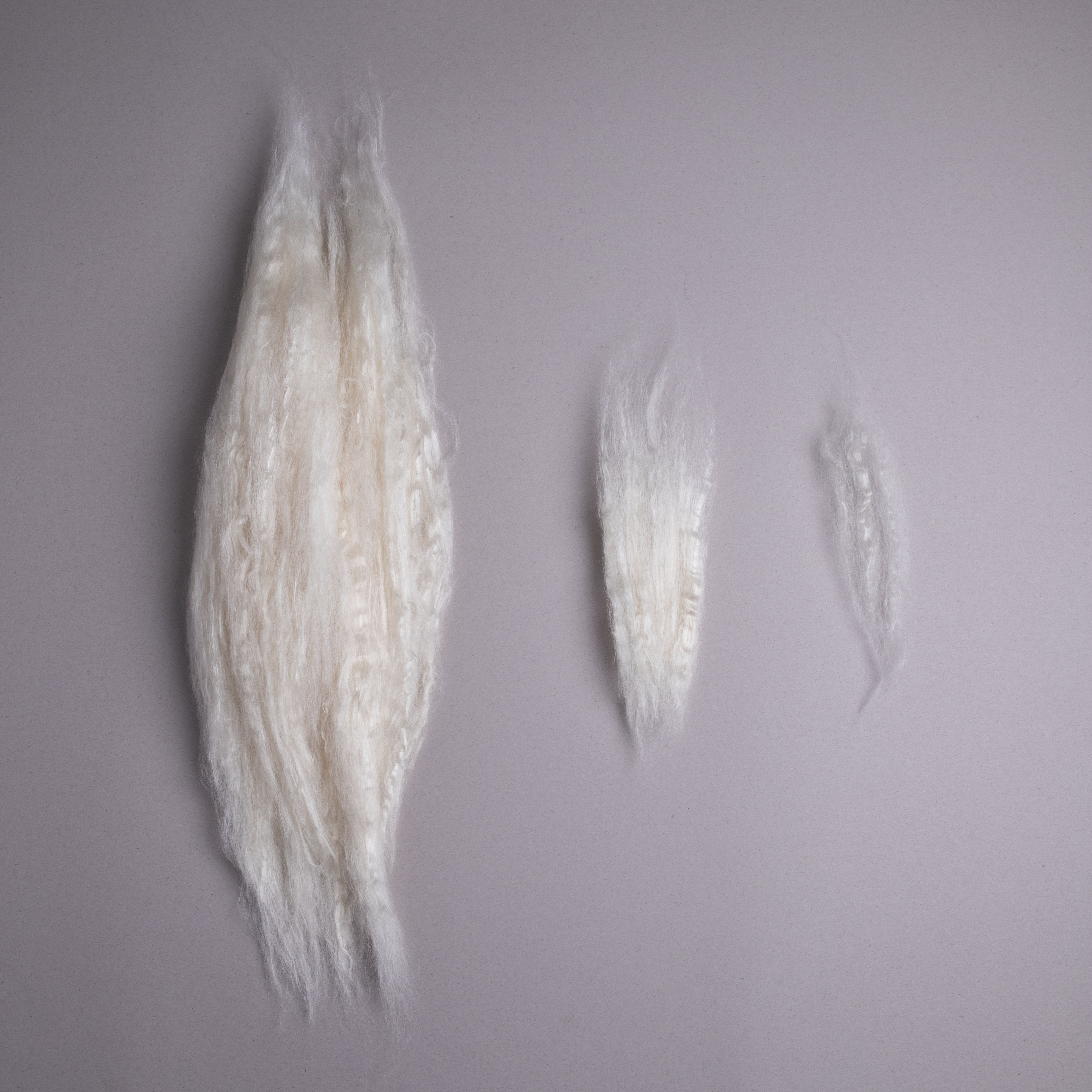
Mint cellulose
An innovative textile material in which mint extract or mint plant residues are incorporated into a cellulose-based fibre. This type of fibre is...
Connected with no organizations
-
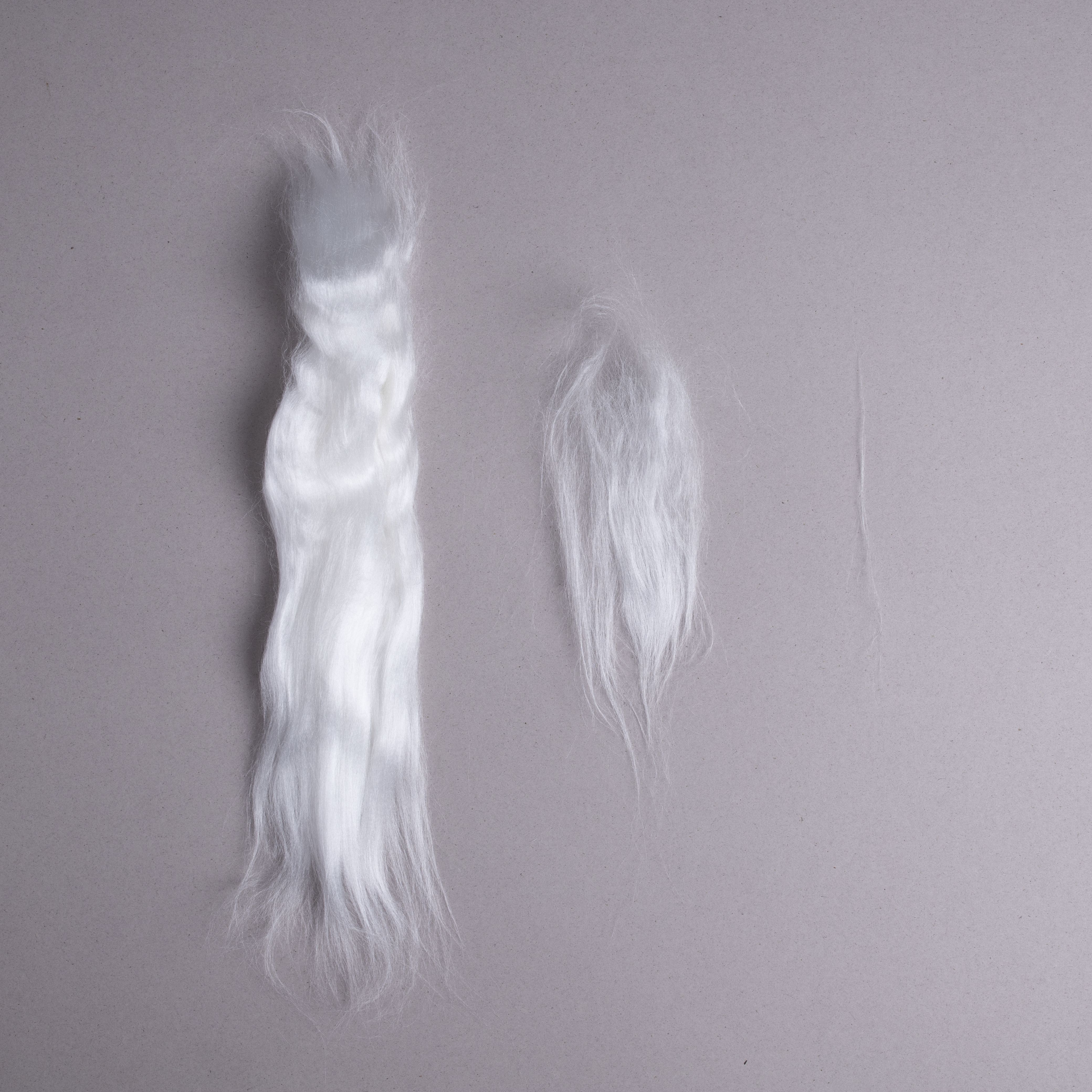
Viscose pulp
It is the basic raw material for the production of viscose fibre, which is widely used in the textile industry. It is obtained through the chemical...
Connected with no organizations
-
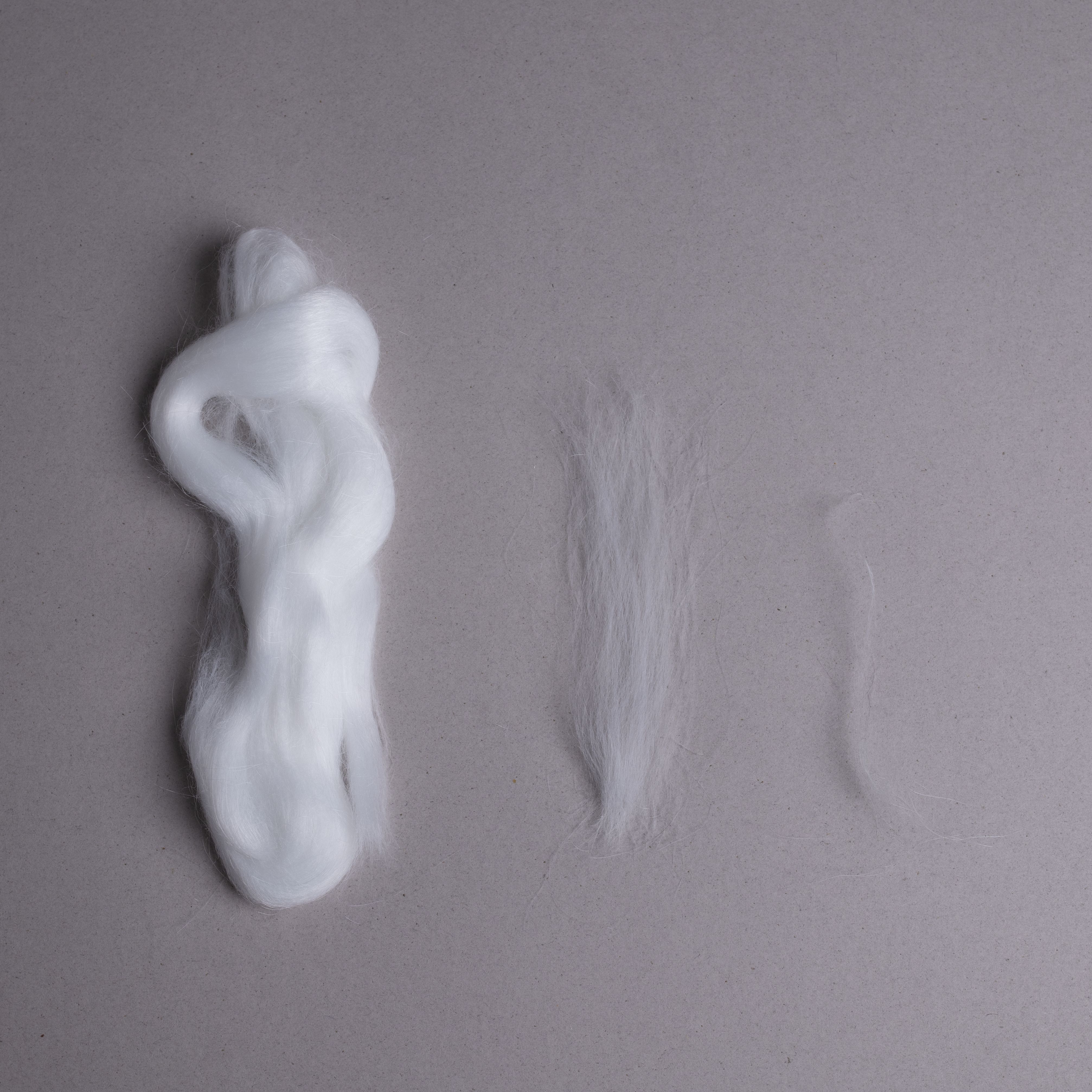
Fake mohair
A textile material that imitates the appearance of real mohair, but is most commonly made from synthetic fibres, especially acrylic or...
Connected with no organizations
-
Fake cashmere
Fake cashmere is a term used for textile materials that imitate the properties of natural cashmere but are made from cheaper raw materials, mainly...
Connected with no organizations
-
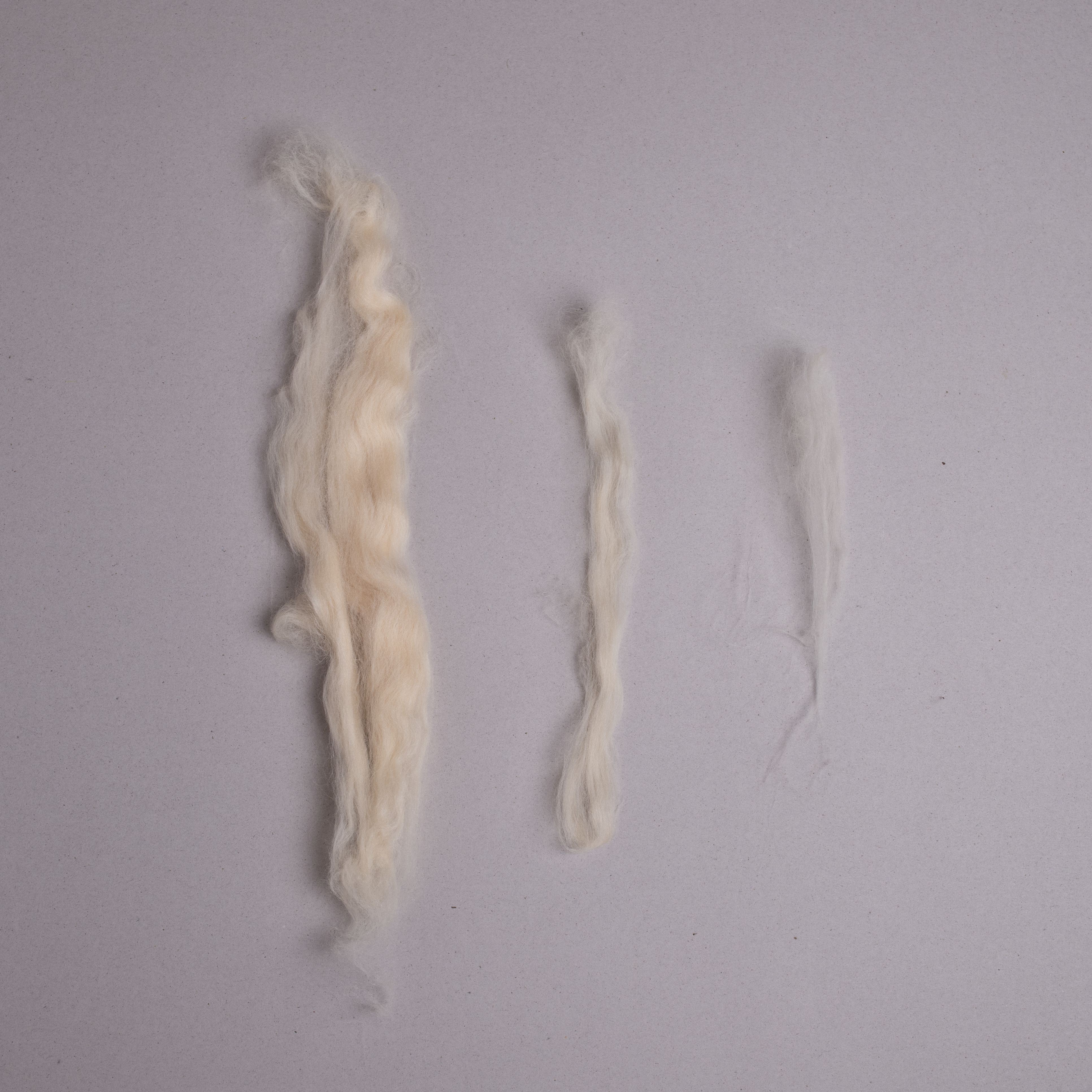
nylon bio beige
A fibre made from renewable or recycled sources, also available in natural (beige) shades. Bio-nylon can be partially or fully plant-based, or it...
Connected with no organizations
-
.jpg)
Corn fiber Ingeo®
An innovative synthetic fiber made from renewable plant-based sources—specifically sugars derived from corn. It is the result of a biotechnological...
Connected with no organizations
-
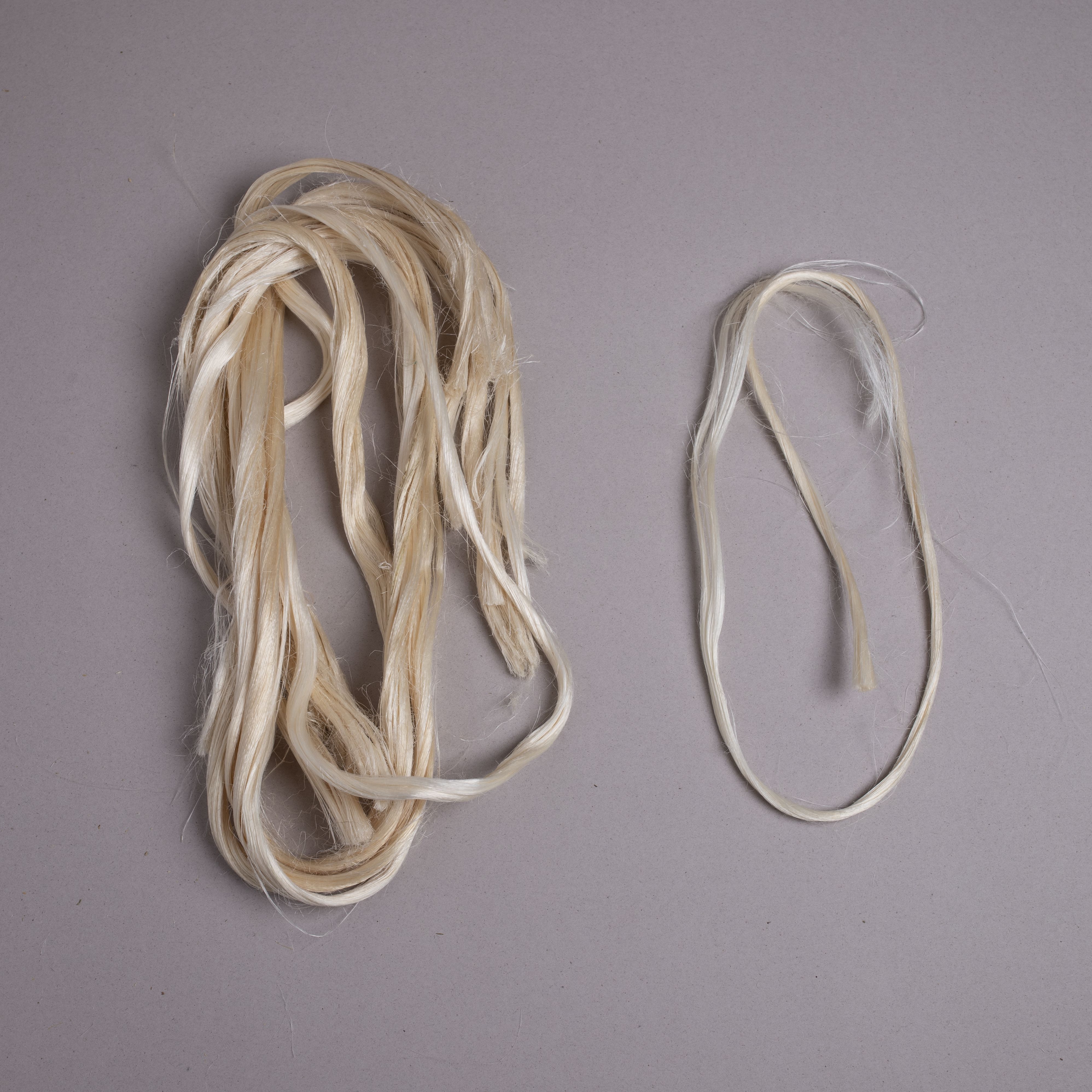
Pineapple fiber
It is obtained from the leaves of the pineapple plant. It is both a traditional and modern eco-friendly material, widely used in Asia for producing...
Connected with 1 organization
-
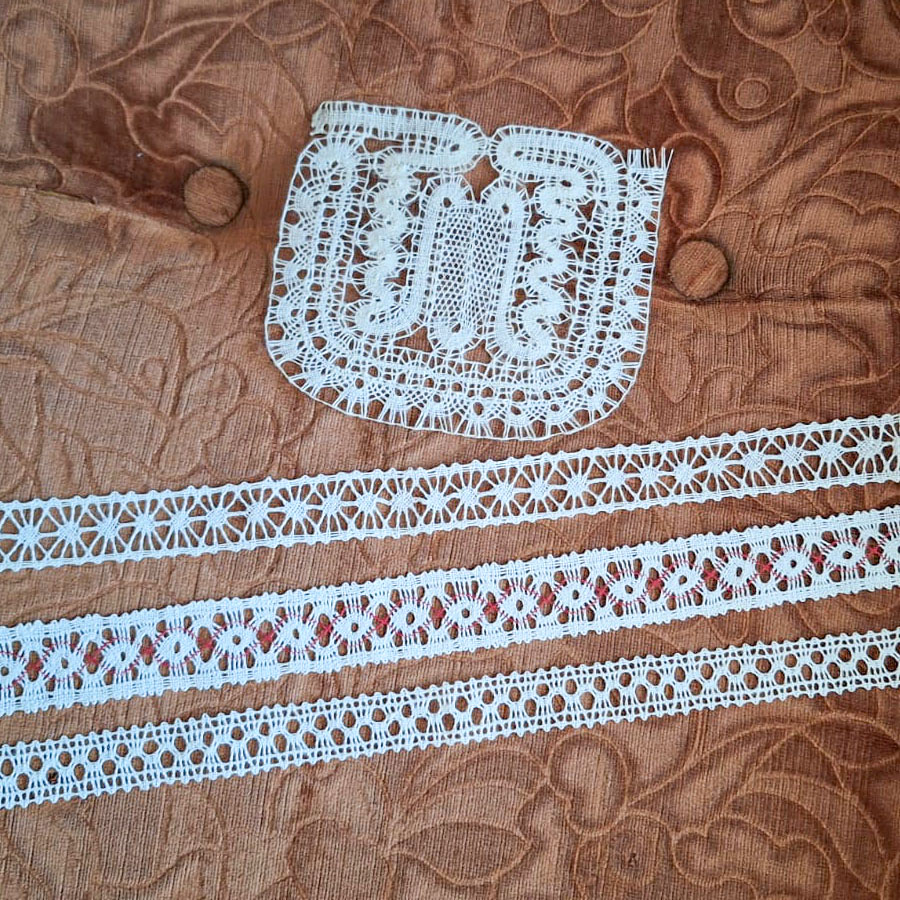
Bobbin lace
A self-supporting openwork (transparent) knitted textile made by braiding, crossing and twisting threads using bobbins on a cushion or pillow....
Connected with no organizations
.jpg)
.jpg)
.jpg)